
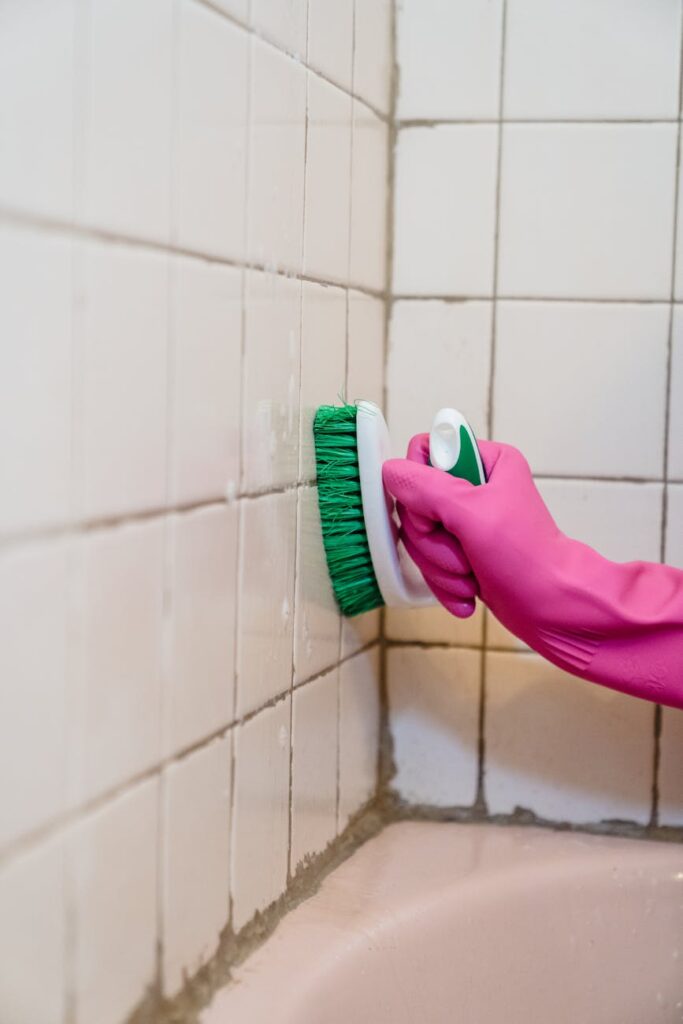
Tile Grout Cleaning Odours Guide Part 1
Introduction
Tile grout can be a breeding ground for unpleasant odours. Whether it’s from spilled food, moisture, or even pet accidents, these smells can linger, making your home less inviting. In this guide, we’ll explore what causes these odours, why they occur, and how to effectively eliminate them. We’ll also cover the best cleaning methods, common mistakes to avoid, and tips for prevention.
What Causes Odours?
Odours in tile grout typically stem from the following sources:
1. Moisture: Grout is porous, which means it can absorb water and other liquids. When moisture is trapped, it can lead to mould and mildew, both of which produce a musty smell.
2. Food Residues: Spills from cooking or eating can seep into the grout. Over time, these residues can decompose and create unpleasant odours.
3. Pet Accidents: If you have pets, accidents can occur, and the urine may seep into the grout, causing strong, lingering smells.
4. Dirt and Grime: General dirt and grime can build up over time, contributing to odours, especially in high-traffic areas.
Why This Problem Happens
Several factors contribute to odour problems in tile grout:
- Poor Ventilation: Areas with limited airflow, such as bathrooms or kitchens, can trap moisture, providing an ideal environment for mould and mildew.
- Neglect: Regular cleaning can prevent dirt and grime from building up. If grout isn’t cleaned often, it can become a source of odour.
- Humidity: High humidity levels can exacerbate moisture issues, making it easier for mould and mildew to develop.
- Baking soda
- Vinegar
- A spray bottle
- A stiff brush or old toothbrush
- Water
- Mop or cloth
- Mix equal parts water and vinegar in a spray bottle.
- Alternatively, create a paste using baking soda and water.
- Spray the vinegar solution generously on the affected grout areas or apply the baking soda paste.
- Let it sit for 10-15 minutes to penetrate the grime and neutralise odours.
- Use a stiff brush or toothbrush to scrub the grout lines vigorously.
- Pay special attention to areas with visible stains or where the odour is strongest.
- Mop the area with clean water to remove any residue from the cleaning solution.
- Ensure that no vinegar or baking soda remains, as this can also cause odours.
- Use a dry cloth to wipe the grout, and open windows to promote airflow.
- If possible, use a fan to help the area dry quickly, preventing further moisture build-up.
Understanding these factors can help you take proactive measures to prevent odours in the future.
How to Fix Odours (Step-by-Step)
1. Identify the Source: Before cleaning, determine where the odour is coming from. Check for visible mould, food residues, or pet stains.
2. Gather Cleaning Supplies:
3. Create a Cleaning Solution:
4. Apply the Solution:
5. Scrub the Grout:
6. Rinse Thoroughly:
7. Dry the Area:
Best Cleaning Methods
1. Baking Soda and Vinegar: This classic combination is effective for breaking down grime and neutralising odours.
2. Hydrogen Peroxide: For tougher stains and odours, mix hydrogen peroxide with baking soda to create a powerful cleaning paste.
3. Enzyme Cleaners: These are particularly effective for pet stains, as they break down organic matter and eliminate odours at the source.
4. Steam Cleaning: A steam cleaner can penetrate deep into the grout, killing mould and bacteria without the need for harsh chemicals.
5. Commercial Grout Cleaners: If DIY methods fail, consider using a commercial cleaner specifically designed for grout. Always follow the instructions carefully.
Common Mistakes to Avoid
1. Ignoring Regular Maintenance: Skipping routine cleaning can lead to a build-up of dirt and odours. Aim to clean grout at least once a month.
2. Using Harsh Chemicals: While they may seem effective, harsh chemicals can damage grout and tiles. Always opt for safer alternatives first.
3. Neglecting Drying: Failing to dry the area thoroughly after cleaning can lead to the return of mould and odour.
4. Not Testing First: If using a new cleaning product, test it on a small, inconspicuous area first to ensure it doesn’t damage the grout or tile.
5. Over-Scrubbing: While scrubbing is necessary, excessive force can damage grout. Be firm but gentle.
Prevention Tips
1. Regular Cleaning: Incorporate grout cleaning into your regular cleaning routine to prevent build-up.
2. Ventilation: Ensure that areas prone to moisture are well-ventilated. Use exhaust fans and open windows when possible.
3. Seal Your Grout: Applying a grout sealer can help protect against moisture and stains, making it easier to keep clean.
4. Immediate Spill Cleanup: Wipe up spills immediately to prevent them from seeping into the grout.
5. Humidity Control: Use a dehumidifier in high-humidity areas to reduce moisture levels.
Frequently Asked Questions
1. How often should I clean my grout?
Aim to clean your grout at least once a month. Areas with high traffic or exposure to moisture may require more frequent cleaning.
2. Can I use bleach on grout?
While bleach can be effective in killing mould, it can also damage grout over time. It’s best to use safer alternatives like vinegar or baking soda.
3. How do I know if my grout needs sealing?
If water soaks into the grout instead of beading on the surface, it’s time to reseal your grout.
4. What’s the best way to dry grout after cleaning?
Use a clean, dry cloth to wipe the grout and promote airflow by opening windows or using a fan.
5. Are there any natural alternatives to commercial grout cleaners?
Yes, baking soda, vinegar, and hydrogen peroxide are excellent natural alternatives for cleaning grout.
6. Can I prevent odours from returning?
Yes, by maintaining a regular cleaning schedule, ensuring proper ventilation, and sealing your grout, you can significantly reduce the likelihood of odours returning.
By following these steps and tips, you can effectively tackle odours in your tile grout, ensuring a fresh and clean home environment. Stay tuned for Part 2, where we’ll delve deeper into advanced techniques and solutions for stubborn odours.