
Tile Grout Cleaning Laundry Guide Part 1
Introduction
Cleaning tile grout can often feel like a daunting task, especially when it comes to the laundry area. Dirty grout can accumulate stains, mildew, and odors over time, making your space look less than appealing. This guide will provide you with practical steps to effectively clean tile grout, specifically focusing on the laundry area.
What Causes Laundry?
The term “laundry” in this context refers to the accumulation of dirt, grime, and stains in the grout lines of your tiled surfaces, particularly in laundry rooms. Common causes include:
- Detergent Residue: Excess detergent can build up in grout lines, attracting dirt.
- Moisture: The humid environment of a laundry room can promote mold and mildew growth.
- Foot Traffic: Regular movement in and out of the laundry area can cause dirt to settle in the grout.
- Spills: Water, detergent, and fabric softener spills can leave stains if not promptly cleaned.
- Chemical Reactions: Laundry detergents often contain chemicals that can react with minerals in the water, leaving residues that discolor grout.
- Humidity and Ventilation: Inadequate ventilation in laundry rooms can trap moisture, leading to mold growth.
- Improper Cleaning: Using the wrong cleaning products or methods can lead to grout damage or ineffective cleaning.
- Baking soda
- White vinegar
- A spray bottle
- An old toothbrush or grout brush
- A mop or sponge
- Warm water
- Gloves (optional)
- Using Harsh Chemicals: Avoid bleach or acidic cleaners that can damage grout and tiles.
- Neglecting to Rinse: Always rinse thoroughly after cleaning to remove residues that can attract dirt.
- Inconsistent Cleaning: Regular cleaning prevents the buildup of grime. Aim for monthly maintenance.
- Use Less Detergent: Follow the recommended amounts on detergent packaging to minimize residue buildup.
- Improve Ventilation: Ensure your laundry room is well-ventilated to reduce humidity.
- Wipe Up Spills Immediately: Address spills as soon as they occur to prevent stains.
- Seal the Grout: After cleaning, consider applying a grout sealer to protect against future stains.
Why This Problem Happens
Understanding why grout becomes dirty is key to preventing and addressing it. Here are the main factors at play:
How to Fix Laundry (Step-by-Step)
Cleaning grout in your laundry area can be broken down into a simple, actionable process:
Step 1: Gather Your Supplies
Before starting, gather the following items:
Step 2: Prepare the Area
Clear the laundry room of any items that may obstruct your cleaning. This includes laundry baskets, detergent bottles, and any small appliances.
Step 3: Create a Cleaning Solution
In a spray bottle, mix equal parts baking soda and white vinegar. This combination will create a fizzing reaction that helps lift stains.
Step 4: Apply the Cleaning Solution
Spray the solution generously on the grout lines. Allow it to sit for 10-15 minutes to break down stains and grime.
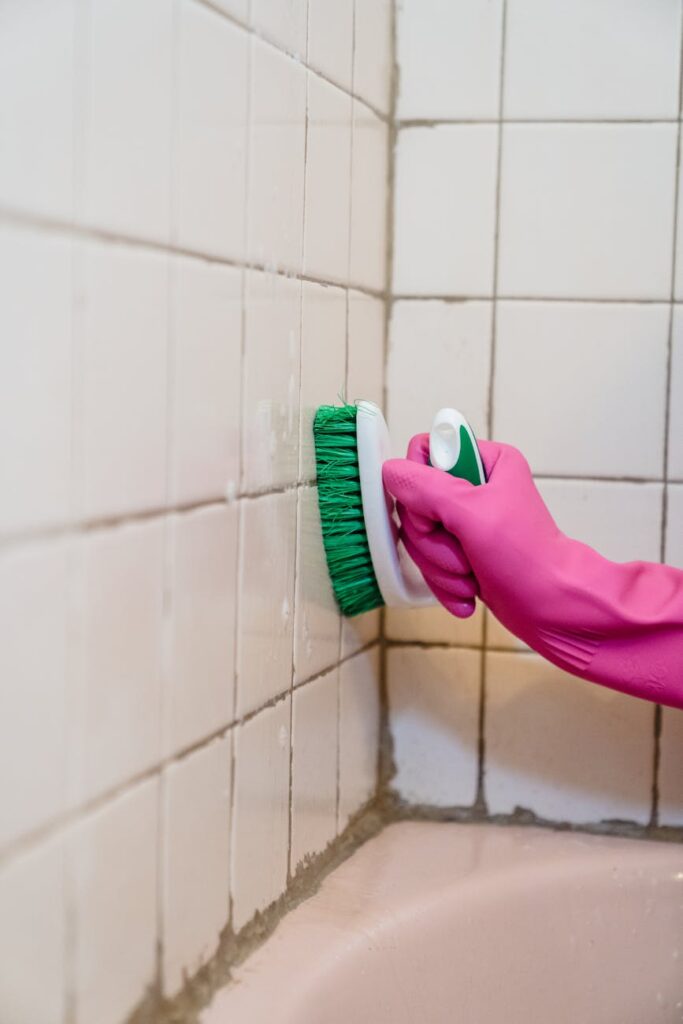
Step 5: Scrub the Grout
Using an old toothbrush or grout brush, scrub the grout lines. Focus on areas with visible stains or discoloration.
Step 6: Rinse
After scrubbing, use a mop or sponge dampened with warm water to rinse away the cleaning solution. This step is crucial to remove any residue.
Step 7: Dry the Area
Use a clean towel or allow the area to air dry. Proper drying will help prevent future mold growth.
Best Cleaning Methods
While the vinegar and baking soda method is effective, there are other cleaning methods to consider:
Oxygen Bleach
Oxygen bleach is a safe and effective option for whitening grout. Mix it with water according to the package instructions, apply it to the grout, and let it sit for 10-15 minutes before scrubbing and rinsing.
Commercial Grout Cleaners
If the stains are particularly stubborn, a commercial grout cleaner may be necessary. Always follow the manufacturer’s instructions for best results.
Steam Cleaning
A steam cleaner can effectively sanitize and clean grout without chemicals. Use it according to the device’s instructions to ensure thorough cleaning.
Common Mistakes to Avoid
Avoid these pitfalls to make your grout cleaning more effective:
Prevention Tips
To keep your tile grout looking clean in your laundry area, consider the following preventative measures:
Frequently Asked Questions
1. How often should I clean my tile grout?
Aim to clean your tile grout every month to prevent buildup and stains.
2. Can I use bleach to clean grout?
It’s best to avoid bleach as it can damage grout and tiles. Opt for safer alternatives like baking soda and vinegar.
3. Are commercial grout cleaners effective?
Yes, many commercial grout cleaners are specifically formulated to tackle tough stains. Always follow the instructions for best results.
4. Can I use a steam cleaner on all types of grout?
Most steam cleaners are safe for ceramic and porcelain grout. However, check the manufacturer’s instructions for compatibility.
5. How can I tell if my grout needs sealing?
If water absorbs quickly into the grout lines rather than beading up, it’s a sign that your grout may need sealing.
6. What should I do for moldy grout?
Use a mixture of baking soda and vinegar to clean moldy grout. If the problem persists, consider using a commercial mold remover.
By following this guide, you can effectively clean and maintain your tile grout in the laundry area, ensuring a fresher and more appealing space. Stay tuned for Part 2, where we will delve deeper into advanced cleaning techniques and maintenance tips.