
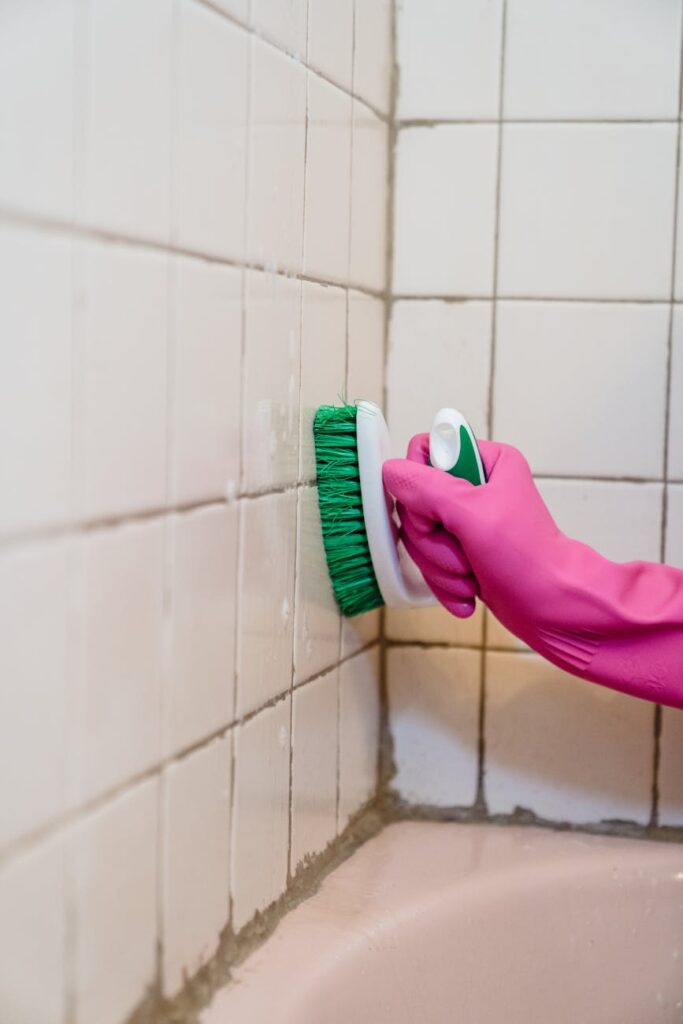
Tile Grout Cleaning Appliances Guide Part 1
Introduction
Cleaning tile grout can be a daunting task, especially when faced with stubborn stains and discolored lines. Fortunately, the right appliances can make this job significantly easier and more efficient. In this guide, we’ll explore common issues related to grout cleaning appliances, why these problems arise, and how to effectively tackle them. You’ll also find tips on prevention and answers to frequently asked questions.
What Causes Appliances?
Grout cleaning appliances can malfunction or become ineffective due to several factors. The most common issues include:
- Clogged Filters: Over time, debris and dirt can clog filters, significantly reducing suction and cleaning power.
- Worn Brushes: Brushes can wear down, making them less effective at agitating dirt and grime.
- Chemical Residue: Using the wrong cleaning solutions can leave residues that hinder performance.
- Neglected Maintenance: Failing to regularly clean and maintain your appliances can lead to operational issues.
- Lack of Regular Maintenance: Appliances require periodic cleaning and checks. Neglect can lead to long-term damage.
- Improper Use: Using appliances incorrectly can result in breakage or ineffective cleaning.
- Environmental Factors: Humidity, dust, and temperature can affect performance. For instance, high humidity can make it harder for appliances to dry surfaces effectively.
- Incompatible Cleaning Solutions: Not all cleaning solutions are suitable for every appliance. Using the wrong product can damage components or reduce efficiency.
- How to Use: Fill the machine with water, allow it to heat, and then direct the steam at the grout lines. Wipe away the loosened dirt with a microfiber cloth.
- How to Use: Apply a suitable grout cleaner, then use the rotary scrubber to agitate the surface. Rinse with clean water afterward.
- How to Use: Follow your appliance’s instructions carefully, directing the pressure at the grout lines.
- Neglecting Maintenance: Regular upkeep is essential for performance.
- Using Abrasive Cleaners: Avoid harsh chemicals that can damage your appliance or tiles.
- Not Testing Solutions: Always test cleaning solutions on a small area first.
- Over-saturating the Grout: Excess water can lead to mold growth in porous grout.
- Ignoring User Manuals: Always refer to the user manual for specific instructions and recommendations.
- Seal Grout Regularly: Use a grout sealer every 6-12 months to protect against stains.
- Clean Spills Immediately: Wipe up spills as soon as they happen to prevent staining.
- Use Doormats: Place mats at entryways to reduce dirt and debris entering your home.
- Sweep Regularly: Keep floors clean by sweeping or vacuuming frequently.
- Choose the Right Cleaners: Use gentle, pH-balanced cleaners designed for grout.
Why This Problem Happens
The effectiveness of your tile grout cleaning appliances often hinges on their condition and maintenance. Here are some reasons why problems may arise:
How to Fix Appliances (Step-by-Step)
If your grout cleaning appliance is underperforming, follow these steps to troubleshoot and resolve common issues:
Step 1: Inspect Filters
1. Turn Off and Unplug: Always start by ensuring your appliance is off and unplugged.
2. Open the Filter Compartment: Check the filters to see if they are clogged or dirty.
3. Clean or Replace: If dirty, rinse under water. If damaged, replace the filters according to the manufacturer’s instructions.
Step 2: Check Brushes
1. Remove the Brush Assembly: Follow your appliance’s guidelines to detach the brushes.
2. Inspect for Wear: Look for frayed or worn bristles.
3. Clean or Replace: Clean debris off the brushes. If they show significant wear, replace them.
Step 3: Clean the Appliance
1. Wipe Down Exterior: Use a damp cloth to clean the outside of the appliance.
2. Empty the Dirt Container: If applicable, ensure the dirt container is empty and clean.
3. Inspect Hoses: Check for blockages and clear any that may exist.
Step 4: Test with Compatible Solutions
1. Choose the Right Cleaner: Refer to the user manual for recommended cleaning solutions.
2. Conduct a Test Run: Run a small section to see if performance improves.
Step 5: Maintain Regularly
1. Schedule Weekly Checks: Regular inspections help catch problems early.
2. Follow Manufacturer’s Maintenance Guidelines: Adhere to recommendations for best results.
Best Cleaning Methods
To maximize your appliance’s effectiveness in cleaning grout, consider these methods:
Steam Cleaning
Steam cleaners can be highly effective for grout cleaning. The high temperature helps loosen dirt and grime without the need for harsh chemicals.
Rotary Scrubbing
Rotary scrubbers equipped with brushes can reach deep into grout lines.
High-Pressure Cleaning
For severe stains, high-pressure cleaning might be necessary.
Common Mistakes to Avoid
When using tile grout cleaning appliances, avoid these common pitfalls:
Prevention Tips
Preventing grout issues is easier than fixing them. Here are simple strategies you can implement:
Frequently Asked Questions
1. How often should I clean my grout?
Aim to clean your grout every 1-3 months, depending on foot traffic and spills.
2. Can I use bleach on grout?
Using bleach can damage grout and may not effectively clean it. Opt for milder, grout-specific cleaners.
3. How do I know if my grout needs sealing?
If water absorbs quickly rather than beading up, it’s time to reseal your grout.
4. Are steam cleaners safe for all types of grout?
Most cement-based grouts are safe for steam cleaning, but check manufacturer guidelines for specific recommendations.
5. What should I do if my grout has mold?
Use a mixture of baking soda and vinegar or a commercial mold remover. Scrub the affected area and rinse thoroughly.
6. Can I use a regular vacuum on my grout?
A regular vacuum can be used, but ensure it has a suitable attachment to prevent damaging the grout or tiles.
By understanding your cleaning appliances and following these practical steps, you can keep your tile grout looking fresh and clean. Stay tuned for Part 2, where we’ll delve deeper into advanced cleaning techniques and tools.