
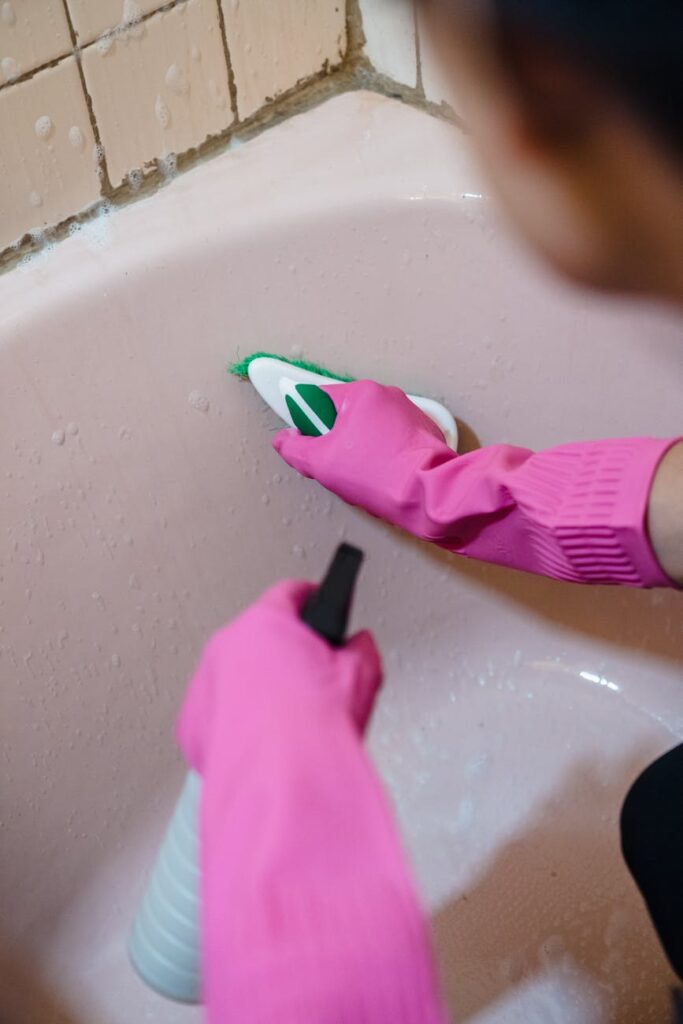
Stubborn Soap Stains Stains Guide Part 1
Introduction
Soap stains are a common nuisance in households, often found on shower doors, bathtubs, and sinks. These stains can accumulate over time and become stubborn, making them difficult to remove. Understanding the causes, solutions, and prevention methods can help you keep your surfaces clean and stain-free. This guide will provide practical steps to tackle stubborn soap stains effectively.
What Causes Stains?
Soap stains primarily occur when soap scum—a combination of soap residue, minerals from hard water, and body oils—builds up on surfaces. Factors contributing to soap stains include:
- Hard Water: High mineral content in water can leave behind deposits when it evaporates.
- Type of Soap: Some soaps create more residue than others, especially those not designed for hard water.
- Humidity and Temperature: Warm, humid conditions can accelerate soap scum formation.
- Neglect: Infrequent cleaning allows soap scum to harden and become more difficult to remove.
- White vinegar
- Baking soda
- Liquid dish soap
- Spray bottle
- Soft sponge or cloth
- Old toothbrush (for tough stains)
- Rubber gloves
Why This Problem Happens
Soap stains occur because soap scum is sticky and can adhere tightly to surfaces. When mixed with hard water, the minerals bond with the soap, creating a stubborn layer that can be hard to break down. Additionally, if the stains are not addressed promptly, they can harden over time, making cleaning increasingly challenging.
How to Fix Stains (Step-by-Step)
Step 1: Gather Your Supplies
Before starting, gather the following cleaning supplies:
Step 2: Apply Vinegar
1. Prepare the Area: Ensure the surface is dry. Remove any items from the area.
2. Spray Vinegar: Fill a spray bottle with white vinegar and spray it generously on the stained area. Vinegar helps dissolve soap scum due to its acidity.
3. Let It Sit: Allow the vinegar to sit for about 10-15 minutes. This will give it time to penetrate the stain.
Step 3: Scrub with Baking Soda
1. Make a Paste: While the vinegar is soaking, mix equal parts baking soda and water to create a paste.
2. Apply the Paste: After the vinegar has set, apply the baking soda paste to the stained area. The reaction between vinegar and baking soda will help lift the stain.
3. Scrub Gently: Use a soft sponge or cloth to scrub the area gently. For tougher stains, use an old toothbrush to get into crevices.
Step 4: Rinse Thoroughly
1. Rinse with Water: After scrubbing, rinse the area thoroughly with warm water to remove any residue.
2. Dry the Surface: Wipe down the area with a clean, dry cloth to prevent new stains from forming.
Step 5: Repeat if Necessary
If the stain persists, repeat the process or allow the vinegar to sit longer before scrubbing.
Best Cleaning Methods
Method 1: Commercial Cleaners
For heavily stained areas, consider using a commercial soap scum remover. Look for products that specify effectiveness on soap scum and hard water stains.
Method 2: Lemon Juice
Lemon juice can also be effective due to its natural acidity. Apply lemon juice directly to the stain, let it sit for 10 minutes, then scrub and rinse.
Method 3: Hydrogen Peroxide
For particularly stubborn stains, mix equal parts hydrogen peroxide and water in a spray bottle. Spray the solution on the stain, let it sit for 5-10 minutes, then scrub and rinse.
Common Mistakes to Avoid
1. Using Abrasive Cleaners: Avoid abrasive scrubbers or cleaners that can scratch surfaces, causing more buildup in the long run.
2. Neglecting Regular Cleaning: Waiting too long between cleanings allows stains to harden.
3. Overusing Products: Applying too much cleaner can leave residue, which may attract more dirt and soap scum.
4. Skipping Rinsing: Always rinse thoroughly after cleaning to remove any leftover product.
Prevention Tips
1. Use Liquid Soap: Consider switching to liquid soap, which often leaves less residue than bar soap.
2. Install a Water Softener: If you live in an area with hard water, a water softener can reduce mineral deposits.
3. Wipe Down Surfaces: After using the shower or sink, quickly wipe down surfaces with a cloth to prevent soap scum buildup.
4. Regular Cleaning Routine: Establish a regular cleaning schedule to keep soap stains at bay. Aim to clean surfaces at least once a week.
Frequently Asked Questions
1. How do I know if my soap stains are from soap scum?
Soap scum typically appears as a cloudy, filmy residue on surfaces. If you notice a sticky or greasy texture, it’s likely soap scum.
2. Can I use bleach to remove soap stains?
Bleach is not recommended for soap stains as it can react with soap and create harmful fumes. It’s better to use vinegar or baking soda.
3. How often should I clean areas prone to soap stains?
Aim to clean showers, sinks, and bathtubs at least once a week to prevent buildup.
4. Can I use vinegar on granite or marble surfaces?
Vinegar can damage natural stone surfaces. Instead, use a pH-balanced cleaner designed for stone.
5. What if the stains are still there after cleaning?
If stains persist, consider using a commercial cleanser specifically designed for soap scum or consult a professional cleaner.
6. Are there any eco-friendly alternatives for cleaning soap stains?
Yes! In addition to vinegar and baking soda, you can use lemon juice and essential oils as natural cleaning agents.
By following these practical steps and tips, you’ll be well-equipped to tackle stubborn soap stains effectively. A little proactive maintenance can go a long way in keeping your surfaces clean and inviting.