
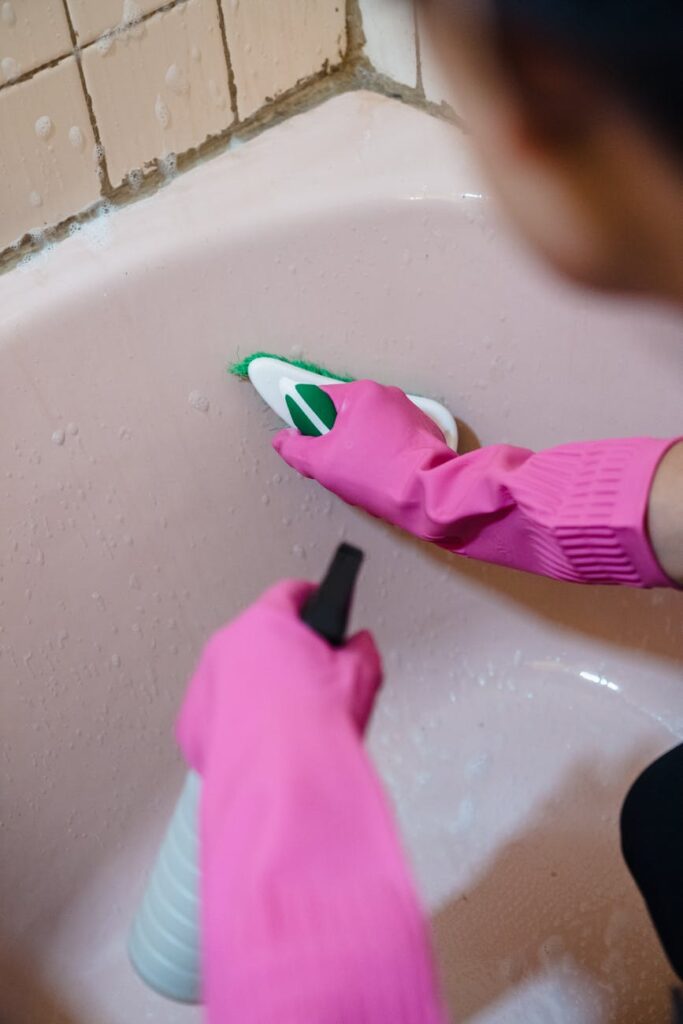
Stubborn Soap Stains Cleaning Guide Part 1
Introduction
Soap stains can be a frustrating issue in any home. They accumulate on surfaces such as sinks, bathtubs, and shower doors, leaving behind unsightly marks that can be challenging to remove. This guide aims to provide you with practical, step-by-step solutions for tackling stubborn soap stains effectively.
What Causes Soap Stains?
Soap stains primarily occur due to the reaction between soap and hard water. Hard water contains high levels of minerals like calcium and magnesium. When soap interacts with these minerals, it forms a residue that can cling to surfaces. This residue is often waxy and difficult to clean. Additionally, soap scum can trap dirt, body oils, and other debris, contributing to the stubbornness of these stains.
Why This Problem Happens
Understanding why soap stains occur can help you address the problem more effectively. Here are some common reasons:
1. Hard Water: As mentioned, minerals in hard water react with soap, leading to soap scum.
2. Improper Rinsing: Not rinsing soap off surfaces adequately can leave behind residues that harden over time.
3. Humidity: Bathrooms and kitchens, which are often humid, can promote the growth of soap scum.
4. Old Soap: Using low-quality or old soap can leave behind more residue than newer, high-quality options.
5. Neglect: Regular cleaning can prevent soap stains from building up, but neglecting these areas allows stains to develop.
How to Fix Soap Stains (Step-by-Step)
Step 1: Gather Your Supplies
Before you start cleaning, gather the following materials:
- White vinegar
- Baking soda
- Dish soap
- Soft scrub brush or sponge
- Microfiber cloths
- Spray bottle
- Water
- Fill a spray bottle with equal parts white vinegar and water.
- Mix one cup of baking soda with a few tablespoons of water to create a thick paste.
Step 2: Prepare the Cleaning Solution
1. Vinegar Spray:
2. Baking Soda Paste:
Step 3: Apply the Vinegar Solution
1. Spray the vinegar solution generously onto the stained areas.
2. Allow it to sit for 5-10 minutes. This helps to break down the soap scum.
Step 4: Scrub the Stains
1. After letting the vinegar sit, use a soft scrub brush or sponge to scrub the area gently.
2. For tougher stains, apply the baking soda paste directly to the stain and scrub again.
Step 5: Rinse Thoroughly
1. Rinse the area with warm water to remove any remaining solution and loosened stains.
2. Wipe down with a microfiber cloth for a streak-free finish.
Step 6: Dry the Surface
1. Dry the area with a clean cloth to prevent future soap stains from forming.
Best Cleaning Methods
While the vinegar and baking soda method is effective, other options can also be beneficial:
1. Commercial Cleaners: Products specifically designed for removing soap scum can be effective. Look for those containing citric acid or glycolic acid.
2. Lemon Juice: The acidity of lemon juice can help break down soap stains. Apply lemon juice directly to the stains, let sit for a few minutes, and rinse.
3. Borax: Sprinkle borax onto stained areas, scrub, and rinse.
4. Dish Soap: Mix a few drops of dish soap with warm water and use this solution to scrub away stains.
Common Mistakes to Avoid
1. Using Abrasive Cleaners: Avoid using steel wool or harsh abrasive cleaners, as they can scratch surfaces.
2. Ignoring Regular Maintenance: Regular cleaning can prevent buildup. Don’t wait for stains to become stubborn.
3. Not Testing Cleaners: Always test a new cleaner on a small, inconspicuous area before applying it widely.
4. Rushing the Process: Give cleaning solutions time to work. Don’t rush through the application and scrubbing steps.
5. Using Hot Water: Hot water can sometimes set stains. Use warm or cool water for rinsing.
Prevention Tips
1. Rinse Thoroughly: After each use, rinse surfaces with water to remove soap residues.
2. Daily Wipe-Downs: Spend a few minutes each day wiping down sinks and showers with a microfiber cloth.
3. Use Quality Soap: Invest in high-quality soap that is less likely to leave residue.
4. Install a Water Softener: If hard water is an issue, consider installing a water softener to reduce mineral levels.
5. Ventilate: Keep bathrooms well-ventilated to reduce humidity and prevent soap scum growth.
Frequently Asked Questions
1. How often should I clean to prevent soap stains?
Aim to clean your bathroom and kitchen surfaces at least once a week to prevent soap buildup.
2. Can I use bleach to remove soap stains?
While bleach can be effective for some stains, it’s not recommended for soap scum, as it can react with soap and create more issues.
3. Are there any natural alternatives to commercial cleaners?
Yes, vinegar, baking soda, and lemon juice are excellent natural alternatives for cleaning soap stains.
4. How do I know if my water is hard?
You can purchase a water hardness test kit or notice signs like soap not lathering well and mineral buildup on fixtures.
5. Will a squeegee help with soap stains?
Yes, using a squeegee after each shower can help prevent soap scum from forming on shower doors and tiles.
6. Can soap scum damage surfaces?
Over time, soap scum can lead to discoloration and damage surfaces if not cleaned regularly.
By following these guidelines, you can tackle stubborn soap stains effectively and keep your home looking clean and fresh. Stay tuned for Part 2, where we’ll explore advanced techniques for persistent soap stains!