
Stubborn Soap Scum Mould & Damp Guide Part 1
Introduction
Mould and dampness can be a homeowner’s nightmare, particularly in areas where soap scum tends to build up, such as bathrooms and kitchens. Not only does it look unsightly, but it can also lead to health issues and structural damage if left untreated. This guide will provide practical steps to identify, fix, and prevent mould and damp issues related to stubborn soap scum.
What Causes Mould & Damp?
Mould thrives in damp environments, and soap scum can trap moisture, creating the perfect breeding ground. Here are some common causes:
1. Excess Humidity: High levels of humidity can lead to condensation on surfaces, promoting mould growth.
2. Poor Ventilation: Bathrooms and kitchens often lack proper airflow, making it easy for moisture to accumulate.
3. Water Leaks: Plumbing issues or leaks from appliances can introduce additional moisture.
4. Soap Scum Build-Up: Soap scum is a combination of soap residue and minerals. When it builds up, it retains moisture, making it a perfect habitat for mould.
Why This Problem Happens
Understanding the conditions that contribute to mould and dampness can help you tackle the issue effectively. Here’s why it happens:
- Warmth and Moisture: Mould spores thrive in warm and damp environments, especially in areas like showers, sinks, and bathtubs.
- Organic Material: Soap scum contains organic materials that mould feeds on, accelerating its growth.
- Lack of Cleaning: If soap scum is not regularly cleaned, it can accumulate and create a more severe damp problem.
- Rubber gloves
- A mask (to avoid inhaling spores)
- Scrub brush or sponge
- Spray bottle
- Cleaning solution (vinegar, baking soda, or commercial mould remover)
- Microfiber cloth
How to Fix Mould & Damp (Step-by-Step)
Step 1: Gather Your Supplies
Before you start cleaning, make sure you have:
Step 2: Prepare the Area
1. Ventilation: Open windows and turn on fans to increase air circulation.
2. Remove Items: Take any items from the affected area to make cleaning easier.
Step 3: Apply Cleaning Solution
1. Vinegar Solution: Fill a spray bottle with white vinegar and spray it generously on the mouldy area.
2. Baking Soda Paste: For stubborn spots, create a paste using baking soda and water. Apply it directly to the soap scum and mould.
Step 4: Scrub the Affected Area
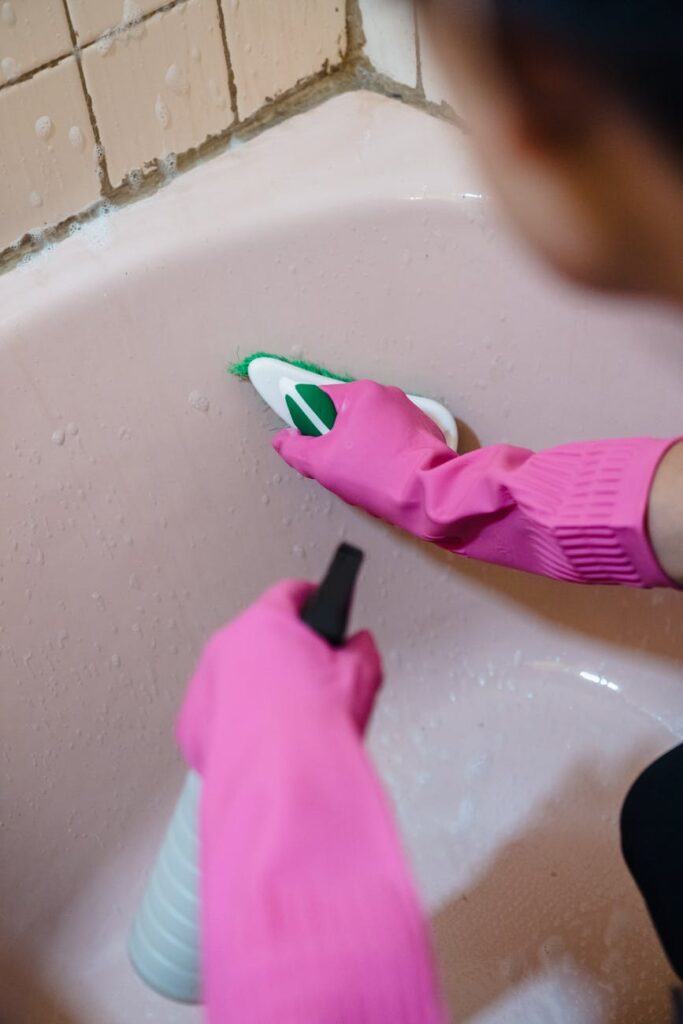
1. Using a Scrub Brush: Scrub the area vigorously to remove the mould and soap scum. Focus on corners and crevices where mould often hides.
2. Rinse: After scrubbing, rinse the area with water to remove any residue.
Step 5: Dry Thoroughly
1. Wipe Down: Use a microfiber cloth to wipe down surfaces.
2. Keep Dry: Ensure the area is completely dry to prevent future mould growth.
Best Cleaning Methods
1. Vinegar: An effective natural cleaner that kills most mould species and removes soap scum.
2. Baking Soda: Works as a gentle abrasive to scrub away stubborn soap scum while also neutralizing odours.
3. Commercial Mould Removers: If natural solutions aren’t effective, consider using store-bought mould removers, but follow the manufacturer’s instructions carefully.
Common Mistakes to Avoid
1. Ignoring Ventilation: Cleaning without proper airflow can lead to further mould growth.
2. Using the Wrong Cleaner: Some cleaners can make the problem worse by adding moisture. Always choose a suitable product.
3. Not Drying Surfaces: Failing to dry surfaces after cleaning can encourage mould to return.
4. Overlooking Small Areas: Mould often hides in small crevices. Make sure to check and clean these areas.
Prevention Tips
1. Improve Ventilation: Install exhaust fans in bathrooms and kitchens to reduce humidity levels.
2. Regular Cleaning: Clean surfaces regularly with vinegar or baking soda to prevent soap scum build-up.
3. Seal Grout and Caulk: Use mould-resistant caulk and sealants to prevent moisture from penetrating surfaces.
4. Fix Leaks Promptly: Address any plumbing issues immediately to avoid moisture accumulation.
5. Use a Dehumidifier: In particularly humid areas, a dehumidifier can help reduce moisture levels.
Frequently Asked Questions
1. How often should I clean to prevent mould?
Aim for a bi-weekly cleaning schedule in high-moisture areas like bathrooms.
2. Can I use bleach to kill mould?
While bleach can kill mould on non-porous surfaces, it can also create more moisture. Use it cautiously and ensure proper ventilation.
3. What if the mould keeps coming back?
Persistent mould may indicate a deeper issue, such as leaks or inadequate ventilation. Assess and address these root causes.
4. Is mould removal safe for pets?
Most natural cleaning solutions are safe for pets, but be cautious with commercial products. Always ensure the area is well-ventilated.
5. Can I prevent soap scum build-up?
Yes, regular cleaning and using a squeegee after showers can help minimize soap scum accumulation.
6. What should I do if I have a severe mould problem?
For extensive mould issues, it may be best to consult a professional mould remediation service.
By following this guide, you can effectively tackle mould and dampness caused by stubborn soap scum. With regular maintenance and attention, you can keep your home clean, dry, and healthy.