
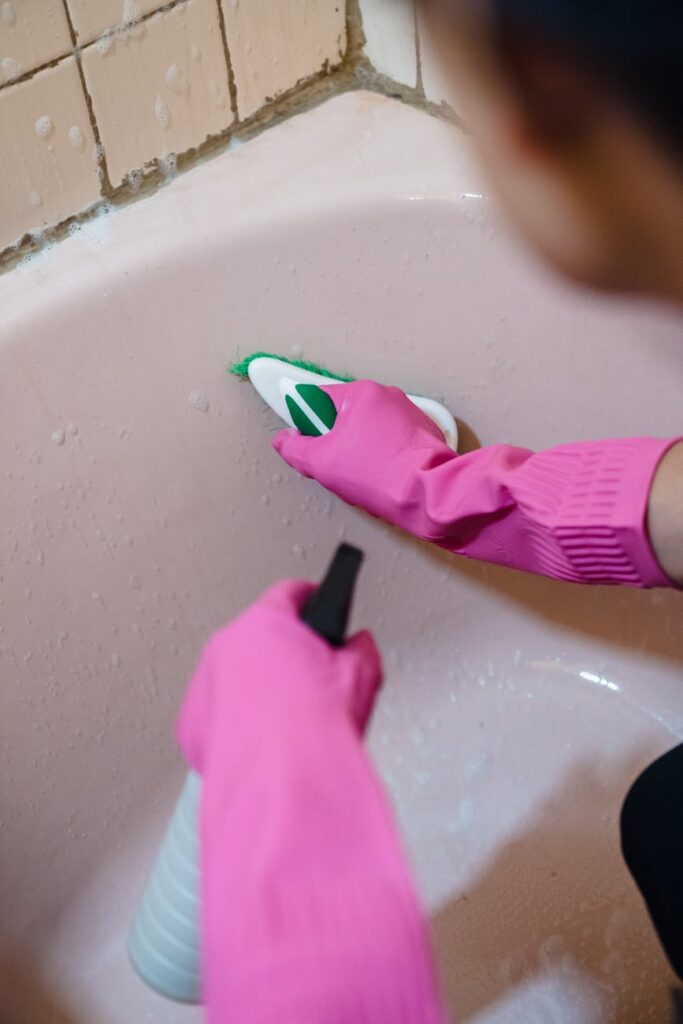
Stubborn Soap Scum Cleaning Guide Part 1
Introduction
Soap scum is a common nuisance in bathrooms and kitchens. It forms when soap interacts with minerals in water, creating a sticky residue that clings to surfaces. This guide will help you understand what causes soap scum, why it’s such a persistent problem, and how to effectively remove it. Let’s dive in!
What Causes Soap Scum?
Soap scum is primarily caused by the combination of soap, water, and minerals. When soap is used, it binds with calcium and magnesium found in hard water. As the water evaporates, it leaves behind a film of soap scum on surfaces such as tiles, glass, and fixtures.
Key Factors Leading to Soap Scum Formation:
- Hard Water: Water with a high mineral content is the main contributor.
- Type of Soap: Certain soaps, especially those with fats and oils, are more prone to forming scum.
- Humidity and Moisture: Bathrooms often have higher humidity levels, increasing soap scum buildup.
- Neglect: Regular cleaning is essential. If soap scum is left untreated, it hardens and becomes more challenging to remove.
- Water Quality: Areas with hard water will experience more significant buildup.
- Incorrect Cleaning Products: Using the wrong cleaning agents can exacerbate the problem instead of solving it.
- White vinegar
- Baking soda
- Spray bottle
- Scrubbing sponge or brush
- Microfiber cloth
- Rubber gloves
- Squeegee (optional)
- Remove any items from the surfaces you will be cleaning.
- If possible, ventilate the area by opening a window or turning on a fan.
- Fill a spray bottle with equal parts white vinegar and water.
- Spray the affected areas generously, ensuring the surfaces are well saturated.
- Let it sit for 10-15 minutes to break down the scum.
- After the vinegar has had time to work, sprinkle baking soda over the areas you sprayed.
- Use a scrubbing sponge or brush to scrub the surfaces in circular motions.
- The combination of vinegar and baking soda will create a fizzing action that helps lift the scum.
- Rinse the surfaces with warm water to remove the vinegar and baking soda mixture.
- Ensure all remnants of the cleaning agents are washed away.
- Use a microfiber cloth to dry the surfaces completely. A squeegee can also be used on glass surfaces to prevent water spots.
- Vinegar Solution: Use a vinegar and water solution (1:1 ratio) for a streak-free shine.
- Commercial Glass Cleaner: For tough scum, a commercial cleaner specifically designed for glass can be effective.
- Baking Soda Paste: Mix baking soda with a little water to create a paste. Apply it to the grout lines, let it sit, and scrub.
- Oxygen Bleach: Products containing oxygen bleach can help whiten grout and remove stains.
- Lemon Juice: The acidity of lemon juice can help dissolve soap scum. Apply it directly and let it sit for a few minutes before rinsing.
- Ignoring Hard Water: If you have hard water, consider installing a water softener to reduce mineral buildup.
- Using Abrasive Cleaners: Avoid harsh chemicals or abrasive pads that can scratch surfaces.
- Not Rinsing: Always rinse thoroughly after cleaning to remove any residue that can lead to more buildup.
- Infrequent Cleaning: Make it a habit to clean regularly to prevent soap scum from accumulating.
- Squeegee After Use: Use a squeegee on shower doors and tiles after each use to remove excess water.
- Use Liquid Soap: Consider using liquid soap instead of bar soap, which tends to leave less residue.
- Install a Water Softener: If hard water is an issue, a water softener can significantly reduce mineral deposits.
- Regular Cleaning Schedule: Establish a routine cleaning schedule to tackle soap scum before it becomes stubborn.
Why This Problem Happens
Understanding why soap scum forms can help you tackle the issue more effectively. Soap scum is not just unsightly; it can also create a breeding ground for bacteria and mold. Here are the primary reasons why soap scum is such a persistent problem:
How to Fix Soap Scum (Step-by-Step)
Removing stubborn soap scum requires the right approach and tools. Follow these steps for effective cleaning:
Step 1: Gather Your Supplies
Step 2: Prepare the Area
Step 3: Apply Vinegar
Step 4: Scrub with Baking Soda
Step 5: Rinse Thoroughly
Step 6: Dry the Surfaces
Best Cleaning Methods
Different surfaces may require different cleaning methods. Here are some of the best techniques for various materials:
For Glass Shower Doors
For Tiles and Grout
For Faucets and Fixtures
Common Mistakes to Avoid
Cleaning soap scum can be frustrating, especially if you’re making common mistakes. Here are some pitfalls to avoid:
Prevention Tips
Preventing soap scum buildup is easier than removing it once it’s established. Here are some effective strategies:
Frequently Asked Questions
1. How often should I clean to prevent soap scum?
Aim to clean your bathroom surfaces at least once a week to prevent buildup.
2. Can I use bleach to remove soap scum?
While bleach can help disinfect, it’s not effective against soap scum. Use vinegar and baking soda instead.
3. What if the soap scum is really stubborn?
For tough soap scum, let the vinegar solution sit longer, or use a commercial soap scum remover as a last resort.
4. Is there a specific type of soap that causes more scum?
Yes, soaps with higher fat content or those that are not labeled as “low-residue” tend to create more soap scum.
5. Can I use a steam cleaner?
Yes, a steam cleaner can be very effective for removing soap scum from various surfaces without chemicals.
6. How can I clean soap scum from my bathtub?
Follow the same cleaning steps outlined in this guide, adjusting the cleaning time based on the severity of the buildup.
—
By following this guide, you’ll be well-equipped to tackle stubborn soap scum and maintain a clean and hygienic home. Stay tuned for Part 2, where we’ll cover advanced techniques and products for stubborn soap scum removal!