
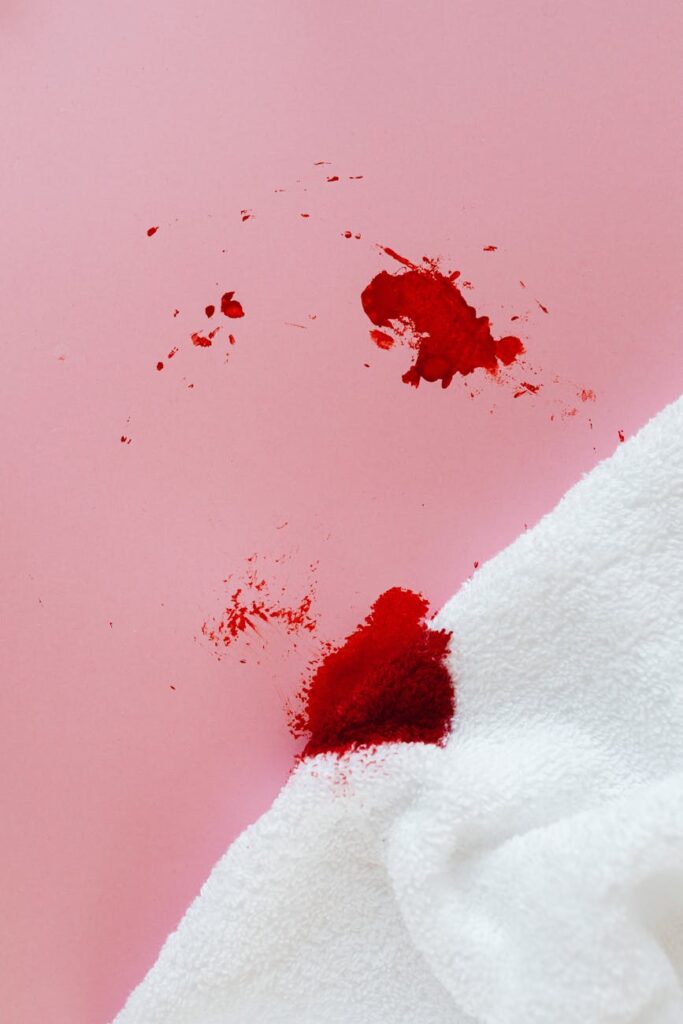
Stubborn Laundry Stains Laundry Guide Part 1
Introduction
Laundry stains are a common household headache. Whether it’s a spilled drink, a greasy spot from dinner, or mud from the backyard, these stubborn stains can seem impossible to remove. In this guide, we will explore what causes these pesky blemishes, why they stick around, and how to effectively tackle them. Let’s get started on making your laundry clean and fresh again.
What Causes Laundry Stains?
Laundry stains can originate from a variety of sources. Understanding these sources is the first step in effectively treating them.
1. Food and Beverage Spills: Sauces, oils, and drinks can easily splatter and leave marks.
2. Dirt and Mud: Outdoor activities often lead to dirt and mud stains on clothing.
3. Body Fluids: Sweat and other bodily fluids can leave behind stubborn stains.
4. Ink and Dye: Pen leaks and colored fabrics can transfer dyes onto lighter clothing.
5. Grease and Oil: Cooking oils can splatter and leave greasy stains that cling tightly to fabric.
Why This Problem Happens
Stains can be stubborn for several reasons:
1. Chemical Composition: Different substances have various chemical compositions, making some stains more difficult to break down.
2. Time: The longer a stain sits, the more it bonds with the fabric fibers.
3. Heat: Washing or drying stained clothing at high temperatures can set the stain, making it permanent.
4. Fabric Type: Certain fabrics, such as cotton, absorb stains more readily than synthetic fibers.
Understanding these factors can help you choose the most effective cleaning method.
How to Fix Laundry (Step-by-Step)
Follow these steps to treat stubborn stains effectively:
Step 1: Identify the Stain
Before treating a stain, identify its source. This can guide you in choosing the right cleaning method.
Step 2: Blot the Stain
Use a clean cloth or paper towel to blot the stain gently. Avoid rubbing, as this can spread the stain further.
Step 3: Rinse with Cold Water
Rinse the stained area under cold running water. This helps to dilute the stain and remove some of the residue.
Step 4: Choose Your Cleaning Method
Depending on the stain type, select an appropriate cleaning method. We’ll cover these in detail in the next section.
Step 5: Apply Stain Remover
Apply your chosen stain remover directly to the affected area. Let it sit for 5-10 minutes, but don’t allow it to dry.
Step 6: Wash as Usual
Wash the item in the hottest water safe for the fabric. Check the care label for temperature recommendations.
Step 7: Check Before Drying
Before putting the item in the dryer, check if the stain is completely gone. If it’s still there, repeat the treatment process.
Best Cleaning Methods
1. For Food and Beverage Stains
- Method: Mix one tablespoon of dish soap with two cups of cold water. Blot the stain with this solution using a clean cloth.
- Method: Let the mud dry completely, then gently scrape off excess dirt. Rinse with cold water and treat with a mix of laundry detergent and water.
- Method: Apply cornstarch or baby powder to absorb the grease. Let it sit for 15 minutes, then brush off and treat with dish soap.
- Method: Dab the stain with rubbing alcohol using a cotton ball. Blot until the ink lifts, then rinse with cold water.
- Method: Mix equal parts of white vinegar and water. Apply to the stain and let it sit for at least 30 minutes before washing.
- Method: Use a color remover or oxygen bleach, following the product instructions carefully.
2. For Dirt and Mud Stains
3. For Grease Stains
4. For Ink Stains
5. For Sweat Stains
6. For Dye Stains
Common Mistakes to Avoid
1. Ignoring the Stain: The longer you wait, the harder it becomes to remove.
2. Using Hot Water Too Soon: Hot water can set many stains. Always start with cold water.
3. Overloading the Washer: This can prevent proper cleaning and rinsing.
4. Skipping the Blotting Step: Rubbing can push the stain deeper into the fabric.
5. Drying Before Checking: Always ensure the stain is gone before using the dryer.
Prevention Tips
1. Act Quickly: Treat stains as soon as possible for the best chance of removal.
2. Use Stain-Resistant Fabrics: Choose clothing made from stain-resistant materials when possible.
3. Pre-Treat New Clothes: Apply a stain repellent to new clothing to create a barrier against stains.
4. Keep Cleaning Supplies Handy: Having stain removers on hand can help you act quickly.
5. Wash Regularly: Regular washing can prevent stains from setting in.
Frequently Asked Questions
1. Can all stains be removed?
Not all stains can be completely removed, especially if they’ve set in for a long time. However, many can be significantly reduced or lightened.
2. Is bleach safe for all fabrics?
No, bleach can damage certain fabrics. Always check the care label and do a patch test before using bleach.
3. What’s the best temperature for washing stains?
Cold water is generally the best first step for treating stains, as it prevents them from setting.
4. Can I use vinegar on colored fabrics?
Yes, vinegar is generally safe for most colored fabrics, but always do a patch test first to prevent discoloration.
5. How do I remove stubborn pet stains?
For pet stains, use an enzymatic cleaner specifically designed to break down organic stains. Follow the product instructions carefully.
6. Should I wash stained clothes separately?
It’s a good idea to wash stained clothes separately to avoid transferring the stain to other items.
By following these steps and tips, you can effectively tackle stubborn laundry stains and keep your garments looking fresh and clean. Stay tuned for Part 2, where we will delve deeper into specialized stains and advanced cleaning techniques.