
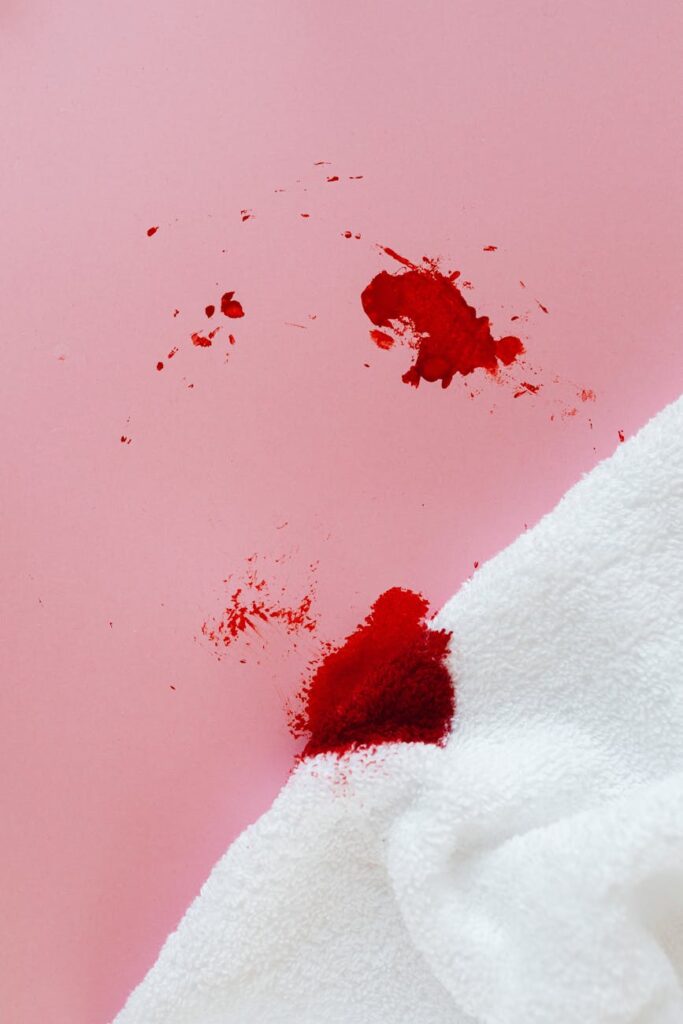
Stubborn Laundry Stains Appliances Guide Part 1
Introduction
Laundry day can be a challenge, especially when you’re faced with stubborn stains that just won’t budge. While many homeowners focus on the fabric and detergents, the appliances used for cleaning can also play a significant role in tackling these tough problems. This guide will delve into the appliances involved in laundry stain removal, offering practical tips and actionable steps to help you effectively deal with stubborn laundry stains.
What Causes Appliances?
The term “appliance” in the context of laundry stains refers to the machines and tools you use to clean your clothes. Common appliances include:
- Washing Machines: These are your primary tools for cleaning clothes, but malfunctioning machines can lead to ineffective cleaning.
- Dryers: Improper drying can set stains, making them harder to remove.
- Steamers and Irons: These can help in stain removal and fabric care but can also cause issues if used incorrectly.
- Stain Removers and Spot Cleaners: Often overlooked, these tools can be crucial in addressing specific types of stains.
Understanding how these appliances function is key to resolving stubborn stains effectively.
Why This Problem Happens
Stains can be persistent for several reasons, often relating to how your appliances operate. Here are some common factors:
1. Machine Settings: Incorrect settings can lead to insufficient cleaning. For example, a quick wash cycle might not allow enough time for stains to lift.
2. Water Temperature: Cold water can be ineffective for certain stains, such as grease or oil.
3. Overloading: Stuffing too many clothes into your washing machine can prevent proper agitation and cleaning.
4. Detergent Issues: Using the wrong type or too little detergent can hinder the cleaning process.
5. Residue Build-Up: Lint, detergent, and fabric softener residues can build up in machines, affecting performance.
Recognizing these factors can help you troubleshoot and improve your laundry results.
How to Fix Appliances (Step-by-Step)
Step 1: Clean Your Washing Machine
1. Empty the Machine: Remove all clothes.
2. Run a Cleaning Cycle: Many machines have a self-clean function. If not, fill with hot water and add vinegar or a washing machine cleaner.
3. Wipe Down Seals and Dispensers: Use a cloth and warm soapy water to clean rubber seals and detergent dispensers.
4. Rinse Thoroughly: Run an additional rinse cycle to ensure no cleaning agents remain.
Step 2: Check and Clean Your Dryer
1. Clean the Lint Trap: Remove lint after every use.
2. Inspect the Vent: Ensure the dryer vent is clear to prevent moisture from causing mildew.
3. Run a Dry Cycle with a Damp Cloth: This can help remove any lingering odors or residues.
Step 3: Use a Steamer or Iron Properly
1. Pre-Treat Stains: Before steaming, apply a stain remover directly to stubborn spots.
2. Use the Right Temperature: Always check fabric care labels to avoid damage.
3. Steam from a Distance: Hold the steamer or iron a few inches away to avoid scorching the fabric.
Step 4: Invest in Quality Stain Removers
1. Choose the Right Product: Select a stain remover that targets the specific type of stain you’re dealing with.
2. Follow Instructions: Apply as directed for best results.
Best Cleaning Methods
1. Soaking: For tough stains, soak clothes in a mixture of water and detergent for 30 minutes before washing.
2. Cold Water Rinse: Rinse items in cold water immediately after staining to prevent setting.
3. Stain-Specific Treatments: Use hydrogen peroxide for blood stains or baking soda for grease stains.
4. Hot Water Wash: For whites and colorfast items, a hot water wash can help in stain removal.
Common Mistakes to Avoid
1. Ignoring Care Labels: Always check clothing labels for washing and drying instructions.
2. Using Too Much Detergent: Excess detergent can leave residues that attract dirt.
3. Not Pre-Treating Stains: Failing to pre-treat can make stains harder to remove.
4. Overloading Machines: This can lead to ineffective cleaning and damage to your appliances.
5. Forgetting to Clean Appliances: Regular maintenance is essential for optimal performance.
Prevention Tips
1. Sort Laundry Properly: Separate items by color and fabric type to avoid bleeding and damage.
2. Act Quickly: Address stains as soon as they happen for the best chance of removal.
3. Use Cold Water for Certain Stains: Cold water can prevent stains from setting, especially for protein-based stains.
4. Regularly Maintain Appliances: Keep your washing machine and dryer clean to ensure they work effectively.
5. Choose Quality Products: Invest in high-quality detergents and stain removers that suit your needs.
Frequently Asked Questions
1. What should I do if a stain doesn’t come out after the first wash?
Reassess the stain and consider pre-treating it again. You may also try a different stain remover or soak it longer before washing.
2. Can I use bleach on all fabrics?
No. Always check fabric care labels. Bleach is typically safe for whites but can damage colored items.
3. How can I prevent my washing machine from developing odors?
Regularly clean your machine and leave the door open after use to allow it to dry and air out.
4. Is it okay to wash dry-clean-only items at home?
Generally, it’s best to follow care instructions. Washing dry-clean-only items can lead to damage or shrinkage.
5. How often should I clean my washing machine?
Aim for a deep clean at least once a month, or more frequently if you use it heavily.
6. What’s the best way to treat grease stains?
Apply a degreaser or dish soap directly to the stain, let it sit for about 10 minutes, then wash as usual.
By understanding your appliances and following these practical steps, you can tackle even the most stubborn laundry stains effectively. Stay tuned for Part 2 of this guide, where we’ll cover more advanced techniques and appliance troubleshooting tips.