
Stubborn Grease Stains Mould & Damp Guide Part 1
Introduction
Mould and damp can be a homeowner’s worst nightmare, especially when it comes to stubborn grease stains. These issues thrive in humid environments and can lead to unpleasant odours, structural damage, and health concerns. This guide will help you understand the causes of mould and damp, why they occur, and provide you with actionable steps to tackle and prevent these problems effectively.
What Causes Mould & Damp?
Mould and damp are primarily caused by excess moisture in the home. Here are the key contributors:
- High Humidity: When indoor humidity levels exceed 60%, it creates an ideal environment for mould growth.
- Poor Ventilation: Areas that lack airflow, such as bathrooms and kitchens, are prone to moisture buildup.
- Leaks: Water leaks from plumbing or roofs can create damp spots that encourage mould.
- Condensation: This occurs when warm, moist air meets cooler surfaces, leading to water droplets forming on walls and windows.
- Inadequate Insulation: Poorly insulated walls can lead to temperature differences that promote condensation.
- Protect Yourself: Wear gloves, a mask, and goggles to protect yourself from mould spores.
- Ventilate: Open windows and doors to ensure good airflow.
- Maintain Low Humidity: Use a dehumidifier to keep indoor humidity levels below 60%.
- Improve Ventilation: Open windows regularly, use exhaust fans in bathrooms and kitchens, and consider installing vents in rooms prone to moisture.
- Fix Leaks Promptly: Address any plumbing or roofing issues immediately to prevent water accumulation.
- Insulate Properly: Ensure walls, roofs, and pipes are well-insulated to reduce condensation.
Why This Problem Happens
Mould and damp can develop for several reasons:
1. Climate: In humid climates, moisture in the air can easily infiltrate homes.
2. Building Materials: Some materials, like wood and drywall, are more susceptible to mould.
3. Lifestyle Factors: Cooking, showering, and drying clothes indoors can increase humidity levels.
4. Neglect: Failing to address leaks or damp spots promptly allows mould to flourish.
Understanding these factors is crucial for effective cleaning and prevention.
How to Fix Mould & Damp (Step-by-Step)
Step 1: Identify the Source
Before cleaning, pinpoint the source of moisture. Check for leaks, condensation, or areas of poor ventilation.
Step 2: Prepare the Area
Step 3: Clean the Affected Area
1. Remove Surfaces: If possible, take out any affected furniture or items.
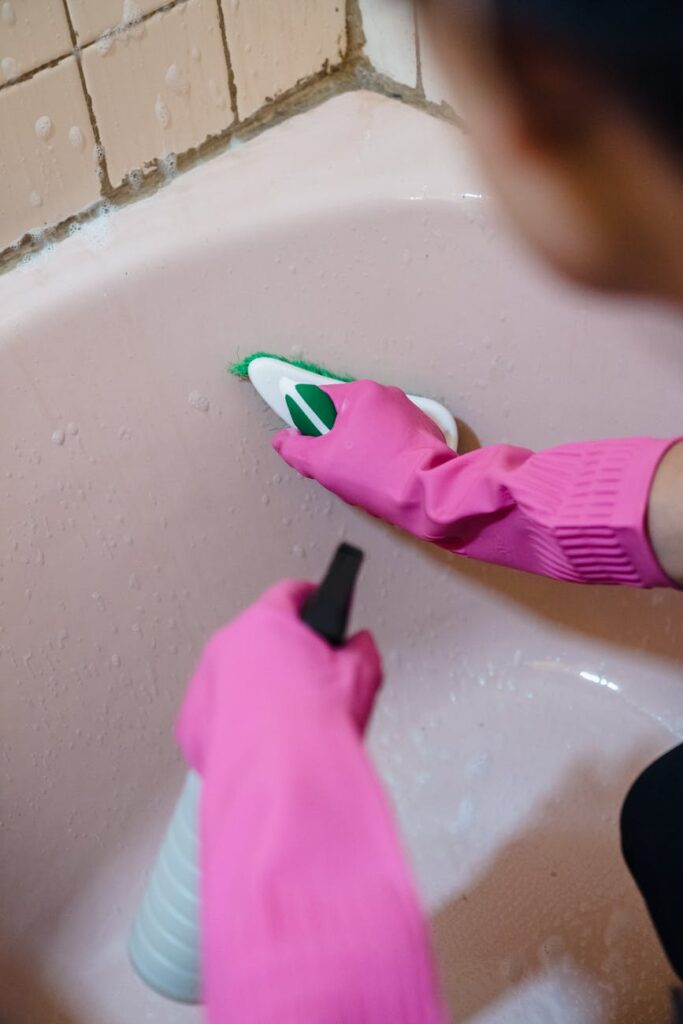
2. Scrub Mould: Mix equal parts water and white vinegar in a spray bottle. Spray the mouldy areas and scrub with a brush.
3. Rinse and Dry: After scrubbing, rinse the area with clean water and dry thoroughly.
Step 4: Address Stubborn Grease Stains
1. Use Baking Soda: For persistent grease stains, sprinkle baking soda on the stain. Let it sit for 10–15 minutes.
2. Scrub Gently: Use a damp cloth or sponge to scrub the area. Rinse and dry.
Step 5: Seal the Area
Once cleaned, apply a mould-resistant sealant to prevent future growth.
Best Cleaning Methods
1. Vinegar Solution: Effective for light mould and mildew. Its acidity kills most mould species.
2. Baking Soda Paste: Mix baking soda with a little water to form a paste. This is excellent for stubborn stains.
3. Hydrogen Peroxide: Use a 3% hydrogen peroxide solution for tougher mould. Spray it on, let it sit for 10 minutes, then scrub.
4. Commercial Cleaners: Look for products specifically designed for mould removal. Always follow manufacturer instructions.
Common Mistakes to Avoid
1. Ignoring the Source of Moisture: Cleaning without addressing the root cause will lead to recurring mould.
2. Using Bleach: While bleach can kill mould on non-porous surfaces, it doesn’t prevent regrowth on porous materials.
3. Not Ventilating: Failing to ventilate during cleaning can cause spores to spread.
4. Overlooking Hidden Areas: Check behind furniture and appliances where mould can hide.
Prevention Tips
Frequently Asked Questions
1. How can I tell if I have mould in my home?
Look for visible stains, a musty smell, or areas of dampness. Use a moisture meter for a more accurate assessment.
2. Can I remove mould myself?
Yes, minor mould issues can be addressed with household cleaning solutions. However, for extensive growth, consider hiring a professional.
3. Is mould dangerous?
Some types of mould can be harmful, especially to individuals with respiratory issues. It’s best to address mould problems promptly.
4. How often should I check for mould?
Regularly inspect areas prone to moisture, such as bathrooms, kitchens, and basements, at least once a season.
5. Can I paint over mould?
No, painting over mould will not solve the problem. The mould must be cleaned and the source of moisture addressed first.
6. What’s the best way to prevent mould?
Maintaining low humidity, improving ventilation, and addressing leaks promptly are the best prevention strategies.
By following these guidelines, you can effectively manage stubborn grease stains, mould, and damp in your home, ensuring a cleaner and healthier living environment. Stay tuned for Part 2, where we will delve deeper into advanced cleaning methods and more complex mould issues.