
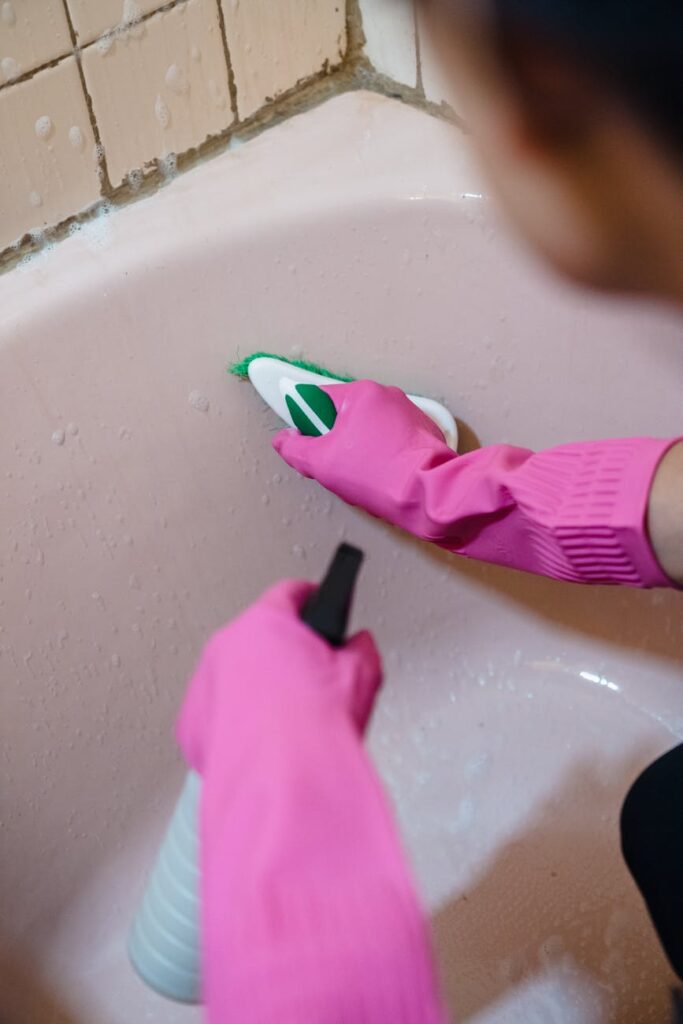
Stubborn Grease Stains Kitchen Guide Part 1
Introduction
Grease stains in the kitchen can be frustrating and unsightly. They tend to accumulate from cooking, frying, and even food spills, making your kitchen look less polished. This guide will walk you through understanding what causes these stains, why they stick around, effective cleaning methods, and tips to prevent them in the future.
What Causes Kitchen Grease Stains?
Kitchen grease stains primarily come from cooking oils, fats, and food residues. When you fry foods or cook with oil, tiny droplets of grease can become airborne, settling on surfaces like countertops, cabinets, and walls. Over time, these droplets accumulate, creating stubborn stains that can be hard to remove.
Additionally, splatters from sautéing or boiling can leave behind greasy marks that cling to surfaces. Even everyday cooking can contribute to a greasy buildup, especially if you don’t clean regularly.
Why This Problem Happens
Grease stains are persistent for several reasons:
1. Chemical Composition: Cooking oils and fats are hydrophobic, meaning they repel water. This makes them difficult to remove with standard cleaning solutions.
2. High Heat: Cooking at high temperatures can cause oils to polymerize, bonding more strongly to surfaces.
3. Lack of Regular Cleaning: If surfaces aren’t cleaned promptly after cooking, grease can harden and become more difficult to remove over time.
4. Type of Surface: Certain materials, like unsealed wood or porous tiles, can absorb grease, making stains harder to clean.
How to Fix Kitchen Grease Stains (Step-by-Step)
Step 1: Gather Your Supplies
- Dish soap
- Baking soda
- White vinegar
- Spray bottle
- Soft cloths or paper towels
- Scrub brush or sponge
- Warm water
- Mix equal parts white vinegar and water in a spray bottle.
- Spray the solution onto the grease stains and let it sit for 5-10 minutes.
- Wipe clean with a cloth.
Step 2: Initial Wipe Down
Start by wiping down the area with a paper towel or soft cloth to remove any loose debris. This will make the cleaning process more effective.
Step 3: Apply Dish Soap
1. Mix a few drops of dish soap with warm water.
2. Dampen a cloth with the solution.
3. Wipe the affected area, applying gentle pressure to lift the grease.
Step 4: Use Baking Soda for Stubborn Stains
1. Sprinkle baking soda directly onto the stain.
2. Dampen a cloth with water and press it onto the baking soda, creating a paste.
3. Let it sit for 10-15 minutes to break down the grease.
Step 5: Scrub the Area
Use a scrub brush or sponge to gently scrub the area. Be cautious with delicate surfaces to avoid scratches.
Step 6: Rinse and Dry
Rinse the area with clean water and wipe dry with a cloth. This will help remove any soap residue.
Step 7: Repeat if Necessary
For particularly stubborn stains, you may need to repeat the process.
Best Cleaning Methods
Method 1: Vinegar Solution
Method 2: Commercial Degreasers
For heavy-duty cleaning, consider using a commercial degreaser. Follow the manufacturer’s instructions carefully and ensure it is safe for the surface you are cleaning.
Method 3: Lemon Juice
Lemon juice can be effective due to its acidity. Apply lemon juice directly to the stain, let it sit for a few minutes, then wipe clean.
Method 4: Cornstarch
Sprinkle cornstarch on the stain and let it sit overnight. The cornstarch will absorb grease, making it easier to wipe away in the morning.
Common Mistakes to Avoid
1. Using Too Much Water: Excess water can spread the grease instead of cleaning it. Use damp cloths rather than soaking the area.
2. Scrubbing Too Hard: Aggressive scrubbing can damage surfaces. Use a gentle touch to avoid scratches.
3. Not Testing Cleaners: Always test a small, inconspicuous area first when using new cleaning products to avoid damage.
4. Ignoring Ventilation: Ensure your kitchen is well-ventilated when using strong cleaning agents to avoid inhaling fumes.
5. Neglecting Regular Maintenance: Waiting too long to clean grease stains can lead to permanent marks. Regular cleaning can prevent buildup.
Prevention Tips
1. Use Splatter Screens: When frying or sautéing, use splatter screens to minimize grease dispersion.
2. Clean As You Go: Wipe down surfaces immediately after cooking to prevent grease from hardening.
3. Seal Surfaces: Consider sealing porous surfaces like wood or unglazed tiles to prevent grease absorption.
4. Install a Range Hood: A good range hood can help capture airborne grease, reducing buildup on surfaces.
5. Use Less Oil: When possible, use less oil in your cooking to minimize grease splatters.
6. Regular Deep Cleaning: Schedule regular deep cleaning sessions to tackle accumulated grease before it becomes a problem.
Frequently Asked Questions
1. How often should I clean grease stains in my kitchen?
You should clean grease stains as soon as they occur. For general maintenance, aim for a weekly cleaning routine.
2. Can I use bleach to remove grease stains?
Bleach is not recommended for grease stains as it may not effectively cut through the grease and can damage surfaces.
3. What should I do if the grease stain won’t come out?
If the stain persists, you may need to use a commercial degreaser or repeat the cleaning process several times.
4. Are there natural alternatives to commercial cleaners?
Yes, vinegar, baking soda, and lemon juice are effective natural alternatives for cleaning grease stains.
5. Can I use a pressure washer to remove grease stains?
A pressure washer can be effective for outdoor surfaces, but it’s not recommended for indoor surfaces due to the risk of damage and water damage.
6. What type of cloth is best for cleaning grease stains?
Microfiber cloths are ideal for cleaning grease stains as they are absorbent and non-abrasive.
By following these steps and tips, you can effectively tackle stubborn grease stains in your kitchen, keeping your cooking space clean and inviting. Stay tuned for Part 2, where we’ll explore more advanced cleaning techniques and solutions.