
Stubborn Grease Buildup Stains Guide Part 1
Introduction
Stubborn grease buildup can be a homeowner’s nightmare. Whether it’s cooking oil splatters in the kitchen, greasy fingerprints on walls, or grime on outdoor furniture, these stains can be tough to tackle. The good news is that with the right methods and products, you can effectively remove grease stains and keep your home looking clean and fresh. This guide will provide you with practical solutions to combat stubborn grease buildup.
What Causes Stains?
Stains from grease typically originate from cooking, eating, or using products containing oils and fats. Here are some common culprits:
- Cooking oils: Spills from frying or sautéing can leave oily residue.
- Food: Sauces, dressings, and greasy foods can splatter and leave marks.
- Fingerprints: Touching surfaces with greasy hands can transfer oils.
- Outdoor elements: Grime from barbecues or machinery can accumulate on surfaces.
- Heat: Cooking can cause oils to vaporize and then settle as sticky residues.
- Time: The longer a stain sits, the harder it can be to remove.
- Surface material: Porous surfaces, like wood or fabric, can absorb grease, making stains more challenging to treat.
- Dish soap (preferably grease-cutting)
- Baking soda or cornstarch
- White vinegar
- Microfiber cloths or sponges
- A spray bottle
- A scrub brush (for tougher stains)
- Warm water
- For Walls: Use a mixture of dish soap and warm water. Apply with a sponge, scrub gently, and rinse.
- For Fabrics: Blot with dish soap and water solution, then rinse. For upholstery, consult care labels for specific cleaning instructions.
- For Hard Surfaces: Use a commercial degreaser or the vinegar and soap solution mentioned above.
- For Outdoor Furniture: A pressure washer can effectively remove grease and grime, but ensure you follow the manufacturer’s guidelines.
- Not acting quickly: The sooner you address a grease stain, the easier it will be to remove.
- Using the wrong products: Avoid harsh chemicals that could damage surfaces. Opt for gentle, effective solutions.
- Rubbing the stain: This can push grease deeper into the material rather than lifting it.
- Skipping rinsing: Always rinse off cleaning products to prevent residue buildup.
- Use splatter guards: These can help minimize grease splatter while cooking.
- Clean spills immediately: Wipe up any grease or food spills as soon as they occur.
- Regular maintenance: Clean surfaces frequently to prevent buildup.
- Store oils properly: Ensure lids are tightly closed to avoid accidental spills.
Understanding the sources of these stains is the first step toward effectively cleaning them.
Why This Problem Happens
Grease stains become stubborn due to their chemical composition. Oils do not mix well with water, making them difficult to remove with regular soap and water. Instead, they cling to surfaces, creating a residue that can attract dirt and grime over time. Factors that exacerbate stubborn grease buildup include:
Recognizing these factors helps homeowners understand why specific stains require special attention and techniques.
How to Fix Stains (Step-by-Step)
Removing stubborn grease stains requires a methodical approach. Follow these steps for effective cleaning:
Step 1: Gather Your Supplies
You will need:
Step 2: Blot the Stain
For any fresh grease stain, immediately blot the area with a paper towel or cloth to absorb excess oil. Do not rub, as this can spread the stain further.
Step 3: Apply Absorbent Material
If the stain is still fresh, sprinkle baking soda or cornstarch on it. Let it sit for about 15-30 minutes. These powders will absorb the grease, making it easier to clean.
Step 4: Mix a Cleaning Solution
In a spray bottle, mix two parts warm water with one part dish soap. Shake gently to combine. For tough stains, add a cup of white vinegar to the mix.
Step 5: Apply the Solution
Spray the cleaning solution generously over the stained area. Let it sit for 5-10 minutes to loosen the grease.
Step 6: Scrub the Stain
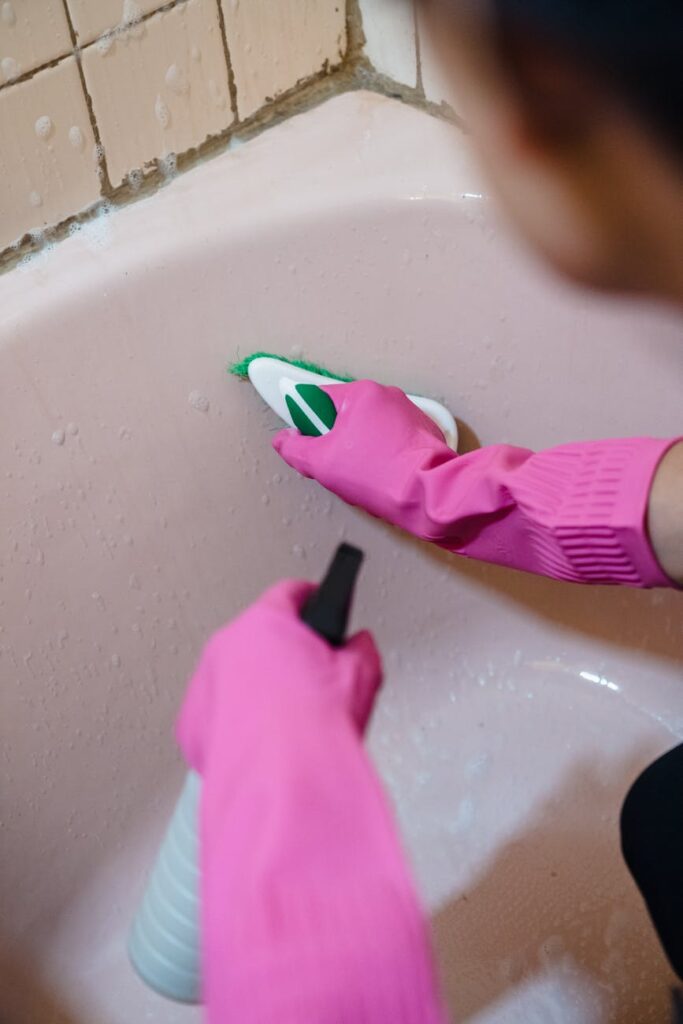
Using a scrub brush or a sponge, gently scrub the area in circular motions. Be cautious with delicate surfaces to avoid damage.
Step 7: Rinse
Dampen a clean cloth with warm water and wipe the area to remove any soap residue. This step is crucial as soap left behind can attract dirt.
Step 8: Dry the Area
Use a dry microfiber cloth to thoroughly dry the area. This will help prevent any water marks or additional stains.
Best Cleaning Methods
Different surfaces may require different cleaning methods. Here are some effective approaches:
Common Mistakes to Avoid
Avoid these pitfalls when tackling grease stains:
Prevention Tips
Preventing grease buildup is often easier than removing it. Here are some practical tips:
Frequently Asked Questions
1. How can I remove old grease stains?
For old grease stains, apply a paste of baking soda and water. Let it sit for several hours, then scrub and rinse.
2. Can I use vinegar on all surfaces?
Vinegar is safe for most surfaces, but avoid using it on natural stone, as it can cause damage.
3. What if the stain doesn’t come out after one attempt?
Repeat the cleaning process. Sometimes, multiple treatments are necessary for stubborn stains.
4. Is it safe to use bleach on grease stains?
Avoid bleach, as it can damage surfaces and fabrics. Stick to grease-cutting cleaners.
5. What can I use for greasy fingerprints on walls?
A simple mixture of dish soap and warm water works well for greasy fingerprints on walls.
6. How can I maintain a grease-free kitchen?
Regularly wipe down surfaces with a degreasing cleaner and keep cooking oils in a designated spot to minimize spills.
By following these guidelines, you can effectively tackle stubborn grease buildup and maintain a clean and inviting home. Stay tuned for Part 2, where we will delve deeper into specific cleaning solutions and advanced techniques!