
Stubborn Grease Buildup Mould & Damp Guide Part 1
Introduction
Mould and damp can be a homeowner’s nightmare, especially when it lurks in areas prone to greasy buildup, like kitchens and bathrooms. This guide will walk you through understanding the causes of mould and damp, how to effectively tackle these issues, and the best prevention strategies. Getting rid of these problems is not just about aesthetics; it’s vital for maintaining a healthy home.
What Causes Mould & Damp?
Mould thrives in damp environments, which can often be a product of stubborn grease buildup. Here are the primary causes:
1. High Humidity: Areas with high moisture levels, such as kitchens and bathrooms, are breeding grounds for mould.
2. Poor Ventilation: Lack of airflow allows moisture to accumulate.
3. Leaky Pipes: Plumbing leaks can create damp spots that encourage mould growth.
4. Condensation: Warm air meets cold surfaces, leading to moisture accumulation.
5. Grease Residue: Grease can trap moisture and create an environment conducive to mould.
Why This Problem Happens
Understanding why mould and damp occur is key to addressing the issue effectively:
- Environmental Factors: Temperature changes and humidity levels can create conditions perfect for mould growth.
- Cleaning Habits: Infrequent deep cleaning can lead to the accumulation of grease, allowing mould spores to thrive.
- Building Materials: Some materials, like drywall and wood, can absorb moisture and become breeding grounds for mould.
- Protective gloves and mask
- Scrub brush
- Bucket
- Warm water
- White vinegar or baking soda
- Dish soap
- Spray bottle
- Rags or sponges
- Vinegar Solution: Mix equal parts white vinegar and water in a spray bottle.
- Baking Soda Paste: Combine baking soda with water to create a thick paste.
How to Fix Mould & Damp (Step-by-Step)
Step 1: Identify the Source
Before cleaning, identify the source of dampness. Check for leaks, high humidity, or poor ventilation.
Step 2: Gather Your Supplies
You will need:
Step 3: Prepare the Area
Clear the area of any items to prevent damage and ensure you can clean effectively.
Step 4: Create a Cleaning Solution
For stubborn grease and mould:
Step 5: Apply the Solution
Spray or apply the cleaning solution to the affected areas. Allow it to sit for 10-15 minutes to penetrate the grime.
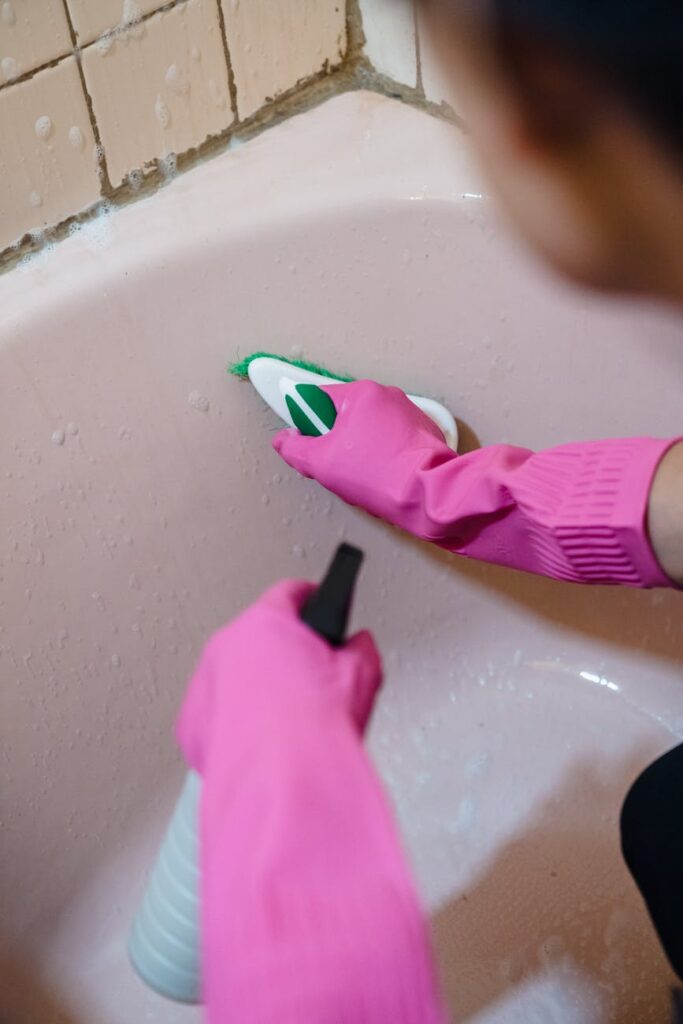
Step 6: Scrub the Area
Using a scrub brush or sponge, scrub the surface to remove the grease and mould. Rinse with warm water.
Step 7: Dry the Area
Use clean rags to dry the area thoroughly. This step is crucial to prevent mould from returning.
Step 8: Monitor the Situation
Keep an eye on the area for any signs of returning mould or dampness.
Best Cleaning Methods
White Vinegar
Vinegar is a natural disinfectant and effective against mould. It’s safe for most surfaces and helps break down grease.
Baking Soda
Baking soda is a gentle abrasive that helps clean without damaging surfaces. It also neutralizes odours.
Commercial Cleaners
If natural methods don’t work, consider using a commercial mould remover. Always follow the manufacturer’s instructions.
Common Mistakes to Avoid
1. Not Identifying the Source: Cleaning without addressing the underlying cause will lead to recurring problems.
2. Using Harsh Chemicals: Some chemicals can damage surfaces or create harmful fumes.
3. Inadequate Drying: Not drying the area properly post-cleaning can lead to mould returning.
4. Skipping Ventilation: Failing to improve airflow can exacerbate the issue.
Prevention Tips
1. Improve Ventilation: Use exhaust fans in kitchens and bathrooms to reduce humidity.
2. Regular Cleaning: Make cleaning a habit to prevent grease buildup.
3. Fix Leaks Promptly: Address any plumbing issues immediately to minimize dampness.
4. Use Dehumidifiers: In high-humidity areas, consider using a dehumidifier to keep moisture levels in check.
5. Seal Surfaces: Apply sealants to porous surfaces to reduce moisture absorption.
Frequently Asked Questions
1. How can I tell if I have mould?
Look for discolored patches on walls or ceilings, a musty smell, or visible growth in damp areas.
2. Is vinegar effective against all types of mould?
While vinegar is effective against many types of mould, stubborn or toxic mould may require stronger treatment.
3. How often should I clean areas prone to mould?
Aim for at least once a month, with deeper cleans every few months.
4. Can I paint over mould?
No, painting over mould will not solve the problem. The mould must be removed first.
5. What if my mould problem is extensive?
For extensive mould issues, it’s best to consult a professional to ensure safe and effective removal.
6. Are there any health risks associated with mould?
Yes, mould can pose health risks, especially for those with allergies or respiratory issues. It’s essential to address mould problems promptly.
By following this guide, you can take significant steps toward eliminating stubborn grease buildup, mould, and damp in your home. Remember, prevention is just as important as cleaning, so stay proactive in maintaining a healthy living environment.