
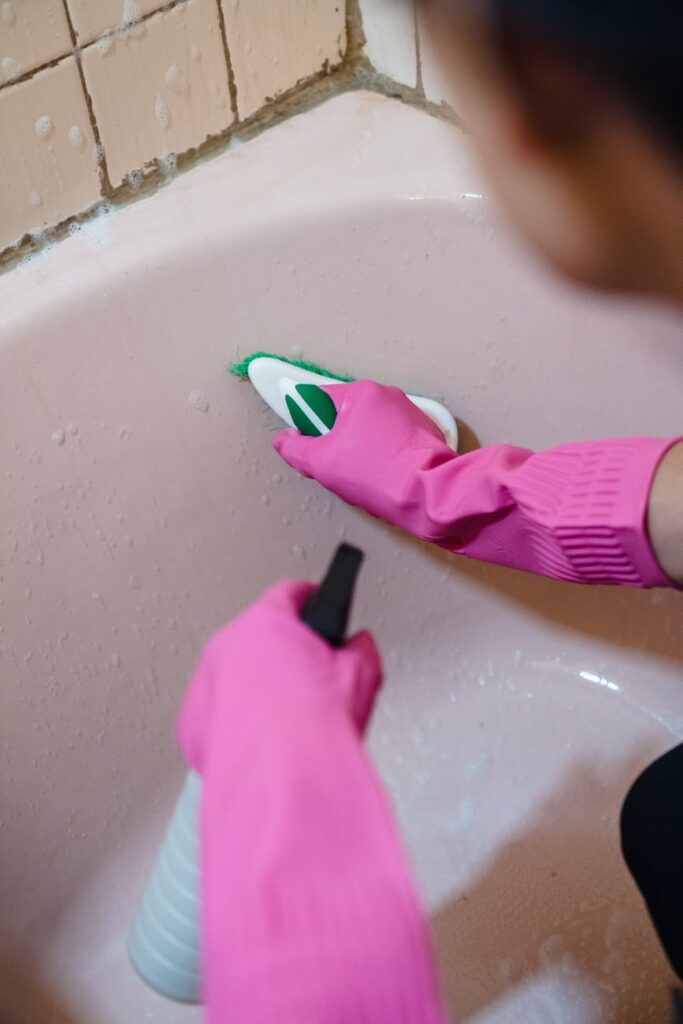
Stubborn Grease Buildup Kitchen Guide Part 1
Introduction
Stubborn grease buildup in the kitchen is a common issue that many homeowners face. Whether it’s on your stovetop, cabinets, or walls, grease can be unsightly and challenging to remove. This guide will provide practical solutions to tackle this problem effectively. You’ll learn what causes grease buildup, why it occurs, and how to address it step-by-step.
What Causes Kitchen Grease Buildup?
Grease buildup in the kitchen primarily comes from cooking. When you sauté, fry, or grill, tiny droplets of fat and oil are released into the air. These droplets settle on surfaces, creating a sticky layer over time. Other contributing factors include:
- Inadequate Ventilation: Poor airflow can trap grease in your kitchen.
- Food Preparation: Cutting, mixing, and marinating food often leads to splatters.
- High-Fat Foods: Cooking fatty meats or deep-frying produces more grease.
- Lack of Cleaning: Neglecting regular cleaning allows grease to accumulate.
- Cooking Frequency: The more you cook, the more grease accumulates.
- Types of Cooking: Techniques like frying and grilling produce more grease.
- Surface Material: Some materials, like porous wood or textured wallpaper, trap grease more than others.
- Degreaser or dish soap
- Baking soda
- Vinegar
- Microfiber cloths
- Scrub brush or sponge
- Warm water
- Spray bottle
Understanding these causes is the first step toward effective cleaning.
Why This Problem Happens
Grease buildup happens due to the nature of cooking itself. When you heat oils, they can break down and become airborne. Over time, this airborne grease combines with dust and moisture, forming a stubborn residue. Factors that exacerbate the problem include:
Identifying these factors can help you target your cleaning strategies effectively.
How to Fix Kitchen Grease Buildup (Step-by-Step)
Step 1: Gather Your Supplies
Before you begin, gather the following supplies:
Step 2: Clear the Area
Remove any items from the surfaces you’ll be cleaning. This includes pots, pans, and small kitchen appliances. A clear workspace allows for better access and thorough cleaning.
Step 3: Apply Degreaser
1. Choose Your Degreaser: You can use a commercial degreaser or make your own by mixing equal parts vinegar and water in a spray bottle.
2. Spray the Affected Area: Generously apply the degreaser to the greasy areas, including stovetops, backsplashes, and cabinet fronts.
3. Let it Sit: Allow the degreaser to sit for 5-10 minutes to penetrate the grease.
Step 4: Scrub the Surface
Using a scrub brush or sponge, scrub the area in circular motions. For tough spots, sprinkle some baking soda on the sponge for added abrasiveness. Rinse the sponge frequently to avoid spreading grease.
Step 5: Wipe Down with Warm Water
After scrubbing, dampen a microfiber cloth with warm water and wipe down the surfaces to remove any remaining residue. Repeat as necessary.
Step 6: Dry the Area
Use a clean, dry microfiber cloth to wipe the surfaces dry. This step helps prevent future buildup.
Best Cleaning Methods
1. Dish Soap and Water: For light grease, a mixture of dish soap and warm water works well. This is especially effective on stovetops and countertops.
2. Baking Soda Paste: Mix baking soda with water to form a paste. Apply the paste to greasy areas, let it sit for 15 minutes, then scrub and rinse.
3. Vinegar and Water Solution: A mixture of vinegar and water can cut through tough grease. Spray on the affected area, let sit, and then wipe away.
4. Commercial Degreasers: For severe grease buildup, consider using a commercial degreaser. Always follow the manufacturer’s instructions for safe use.
Common Mistakes to Avoid
1. Using Steel Wool: This can scratch surfaces, particularly on stovetops and appliances.
2. Not Allowing Cleaner to Sit: Skipping the wait time reduces the effectiveness of your cleaning solution.
3. Using Too Much Water: Excess water can spread grease around instead of removing it.
4. Ignoring Hard-to-Reach Areas: Grease can accumulate in overlooked spots, so be thorough.
5. Neglecting Regular Maintenance: Waiting too long between cleanings can make the problem worse.
Prevention Tips
1. Use a Splatter Guard: When frying, a splatter guard can significantly reduce grease messes.
2. Improve Ventilation: Use exhaust fans or open windows when cooking to disperse airborne grease.
3. Regular Cleaning: Establish a routine cleaning schedule to prevent buildup from becoming a larger issue.
4. Wipe Down Surfaces After Cooking: A quick wipe down immediately after cooking can prevent grease from hardening.
5. Cook with Lids: Cover pots and pans to minimize splatters.
6. Use Non-Stick Cookware: This reduces the amount of grease needed for cooking.
Frequently Asked Questions
1. How often should I clean my kitchen to prevent grease buildup?
Aim for a weekly cleaning routine. For high-usage kitchens, consider cleaning surfaces daily.
2. Can I use vinegar on all surfaces?
While vinegar is safe for many surfaces, avoid using it on natural stone, as it can cause damage.
3. What if the grease won’t come off after scrubbing?
If scrubbing doesn’t work, let your cleaning solution sit for a longer time—up to 30 minutes—before scrubbing again.
4. Is it safe to use commercial degreasers?
Yes, but always read labels and follow the manufacturer’s guidelines for safe use.
5. Can I prevent grease buildup completely?
While it’s difficult to eliminate grease buildup entirely, regular cleaning and preventive measures can significantly reduce it.
6. What should I do if I have grease on my kitchen walls?
Use a degreaser or vinegar solution, apply it to the wall, let it sit, scrub gently, and wipe dry.
With these practical tips and strategies, tackling stubborn grease buildup in your kitchen becomes manageable. Stay tuned for Part 2, where we will dive deeper into specific areas of the kitchen that often require extra attention.