
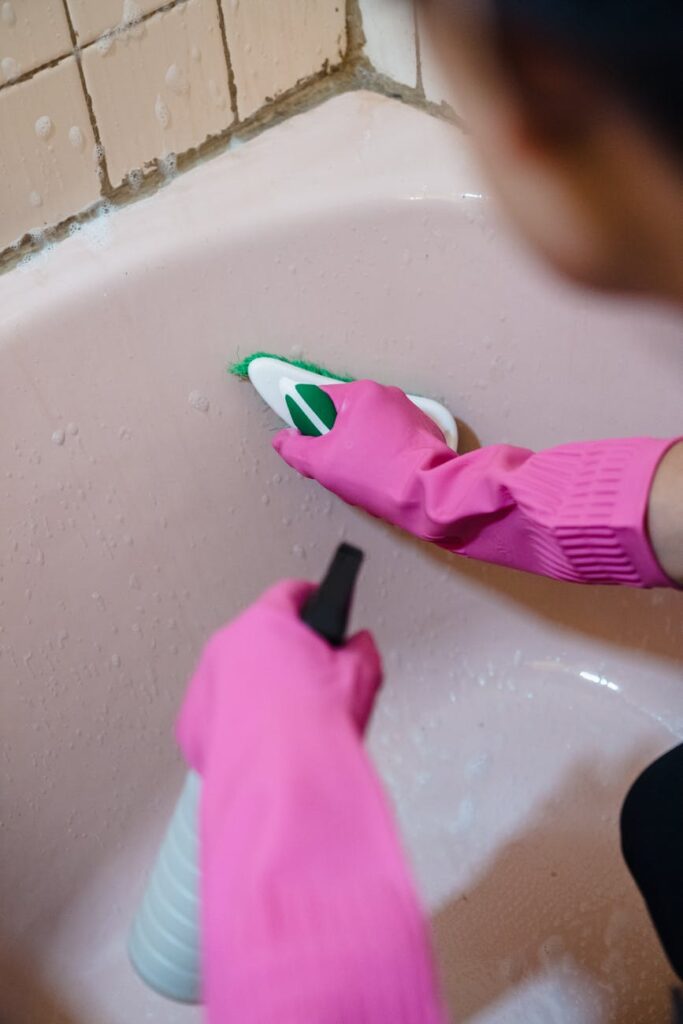
Stubborn Grease Buildup Cleaning Guide Part 1
Introduction
Grease buildup is an inevitable part of cooking and can quickly become a frustrating problem in any kitchen. Whether it’s on your stove, backsplash, or kitchen appliances, stubborn grease can make your space look dirty and uninviting. In this guide, we’ll explore what causes this buildup, why it happens, and provide practical solutions to tackle it once and for all.
What Causes Grease Buildup?
Grease buildup primarily occurs when cooking oils and fats are heated and splattered during meal preparation. Over time, these substances adhere to surfaces, forming a sticky residue that attracts dust, dirt, and grime. Common areas where grease buildup occurs include:
- Stovetops
- Range hoods
- Backsplashes
- Oven interiors
- Kitchen cabinets
- High-Temperature Cooking: Frying or grilling generates more grease than boiling or steaming.
- Lack of Ventilation: Poor airflow allows grease particles to linger in the kitchen.
- Infrequent Cleaning: When grease is not cleaned regularly, it hardens and becomes more difficult to remove.
- Degreaser (commercial or homemade)
- Microfiber cloths or sponges
- Scrub brush (soft-bristled)
- Baking soda
- White vinegar
- Warm water
- Spray bottle
Why This Problem Happens
Understanding why grease buildup occurs can help you address it more effectively. When cooking, oils can vaporize and settle on nearby surfaces. Factors that contribute to grease accumulation include:
How to Fix Grease Buildup (Step-by-Step)
Step 1: Gather Your Supplies
Before you start, gather the following supplies:
Step 2: Choose Your Cleaning Solution
You can either purchase a commercial degreaser or make your own. A simple homemade solution can be created by mixing equal parts of vinegar and water in a spray bottle. For tougher stains, sprinkle baking soda on the grease before spraying with vinegar. The fizzing reaction helps lift the grease.
Step 3: Apply the Cleaning Solution
Spray your chosen solution onto the greasy areas. Allow it to sit for 5–10 minutes to penetrate the grime. This step is crucial for breaking down stubborn grease.
Step 4: Scrub the Area
Using a soft-bristled scrub brush or a microfiber cloth, gently scrub the area. For tough spots, you may need to apply a bit more pressure, but be cautious not to damage surfaces.
Step 5: Rinse and Wipe
After scrubbing, use a damp cloth to wipe away the cleaning solution and any loosened grease. It’s essential to remove all residue to prevent further buildup.
Step 6: Dry the Surface
Finally, dry the area with a clean, dry microfiber cloth. This step helps to prevent new grease from adhering to the surface.
Best Cleaning Methods
1. Commercial Degreasers: These products are specifically designed to cut through grease and are often more effective than DIY solutions. Make sure to follow the manufacturer’s instructions.
2. Vinegar and Baking Soda: This natural method is effective for light to moderate grease. The combination works well for stovetops and ovens.
3. Dish Soap and Hot Water: A simple solution of dish soap and hot water can work wonders for mild grease buildup.
4. Steam Cleaning: For an eco-friendly option, consider using a steam cleaner. The high temperature helps break down grease without chemicals.
Common Mistakes to Avoid
1. Using Harsh Abrasives: Avoid steel wool or rough sponges that can scratch surfaces. Stick to soft cloths and brushes.
2. Not Allowing the Cleaner to Sit: Skipping the soaking time can make cleaning less effective. Always let the solution work its magic.
3. Not Rinsing Thoroughly: Failing to rinse off the cleaning solution can leave residues that attract more dirt.
4. Ignoring Safety Precautions: Always wear gloves and ensure good ventilation when using chemical cleaners.
Prevention Tips
1. Clean Regularly: Make a habit of wiping down surfaces after cooking to prevent grease buildup.
2. Use a Splatter Guard: When frying, a splatter guard can minimize the mess and keep grease contained.
3. Improve Ventilation: Ensure your kitchen is well-ventilated while cooking. Use range hoods and open windows to help dissipate grease particles.
4. Cover Pots and Pans: When not actively stirring, cover pots and pans to keep grease from escaping.
Frequently Asked Questions
1. How often should I clean grease buildup?
Aim to clean your kitchen surfaces weekly, but heavier buildup may require more frequent attention.
2. Can I use vinegar on all surfaces?
Vinegar is safe for most surfaces, but avoid using it on natural stone, as it can cause damage.
3. What’s the best way to clean a greasy oven?
Use a commercial oven cleaner or a paste of baking soda and vinegar. Apply, let it sit, then wipe clean.
4. How do I remove grease stains from clothing?
Pre-treat the stain with dish soap, then wash in hot water. Check the stain before drying, as heat can set it.
5. Is it better to clean grease when it’s fresh or after it hardens?
Cleaning fresh grease is always easier than tackling hardened grease. Act quickly whenever possible.
6. Can I use baking soda on all surfaces?
Baking soda is generally safe for most surfaces, but test on a small area first, especially on delicate materials.
By following these practical steps and tips, you can effectively manage stubborn grease buildup in your kitchen, creating a cleaner and more inviting cooking space. Stay tuned for Part 2, where we will delve deeper into advanced techniques for tackling even the toughest grease problems.