
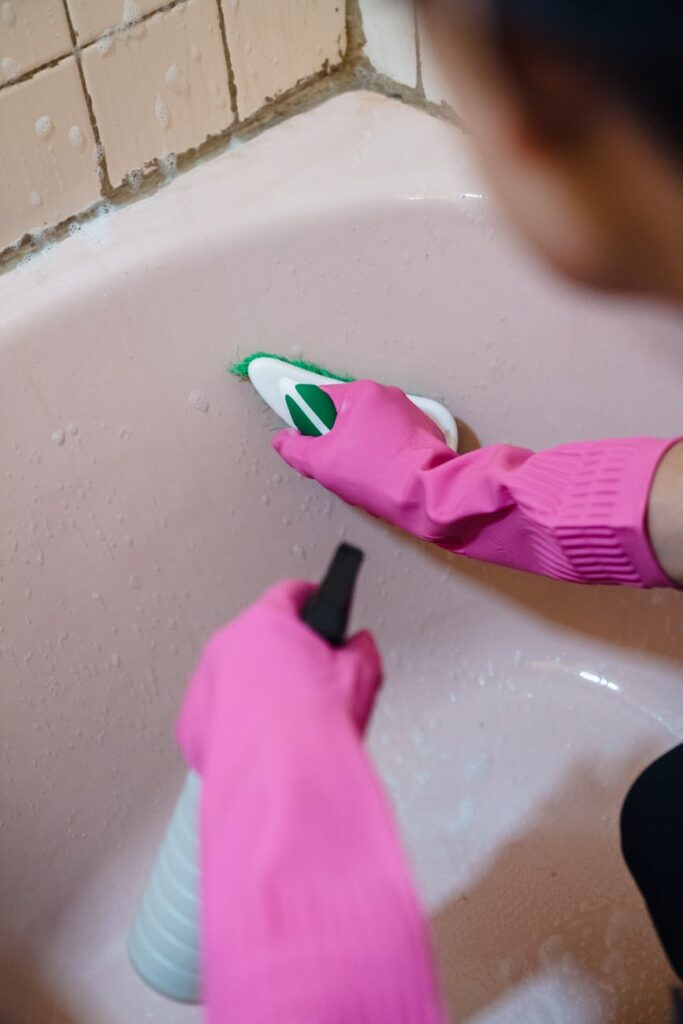
Stubborn Grease Buildup Appliances Guide Part 1
Introduction
Stubborn grease buildup in appliances can be a real headache for homeowners. From stovetops to microwaves, grease can accumulate quickly, making your appliances look unsightly and affecting their performance. This guide aims to provide you with practical solutions to tackle stubborn grease buildup effectively.
What Causes Appliances?
Grease buildup occurs primarily from cooking processes. Every time you fry, sauté, or grill, tiny grease particles are released into the air. These particles settle on surfaces, including your appliances. The more frequently you cook, especially with high-fat content foods, the more grease you’ll find on your appliances.
Why This Problem Happens
Several factors contribute to the stubbornness of grease buildup:
1. High Cooking Temperatures: Cooking at high temperatures causes grease to splatter and stick to surfaces.
2. Infrequent Cleaning: Allowing grease to accumulate over time makes it harder to remove.
3. Type of Food: Foods high in fat or oil are notorious for leaving behind residue.
4. Moisture: Steam from boiling liquids can cause grease to adhere more firmly to surfaces.
5. Improper Ventilation: Poor kitchen ventilation means more grease particles remain in the air and settle on surfaces.
Understanding these causes is the first step toward effectively managing grease buildup.
How to Fix Appliances (Step-by-Step)
Stovetop
1. Gather Your Supplies: You’ll need a degreaser, microfiber cloths, a sponge, and a scraper if necessary.
2. Cool Down: Ensure the stovetop is completely cool before cleaning.
3. Apply Degreaser: Spray a generous amount of degreaser on the greasy areas.
4. Let it Sit: Allow the degreaser to sit for 5-10 minutes to break down the grease.
5. Scrub: Use a sponge or cloth to scrub the surface gently. For stubborn spots, use a scraper.
6. Rinse and Dry: Wipe with a clean damp cloth and then dry with a microfiber cloth.
Microwave
1. Mix Cleaning Solution: Combine equal parts water and white vinegar in a microwave-safe bowl.
2. Heat: Microwave the solution on high for 5 minutes. The steam will loosen the grease.
3. Wipe Down: Carefully remove the bowl and wipe the interior surfaces with a damp cloth.
4. Tackle Stains: For stubborn stains, use a paste of baking soda and water, applying it directly to the spots.
5. Final Wipe: Rinse with a clean damp cloth and dry.
Oven
1. Remove Racks: Take out the oven racks and set them aside.
2. Apply Cleaner: Use a commercial oven cleaner or a homemade paste of baking soda and water.
3. Let it Sit: Allow the cleaner to sit for at least 30 minutes.
4. Scrub: Use a scrub brush to remove the grease, focusing on particularly greasy areas.
5. Wipe Clean: Wipe down with a damp cloth, ensuring all cleaner is removed.
Best Cleaning Methods
Degreasers
Commercial degreasers are effective for quick cleaning but always follow the manufacturer’s instructions. For a natural option, mix vinegar and baking soda for a powerful cleaning solution.
Baking Soda Paste
A paste made from baking soda and water can be applied to stubborn greasy spots. Let it sit for a while before scrubbing.
Steam Cleaning
Using a steam cleaner can be effective for cutting through grease without chemicals. It’s especially good for ovens and stovetops.
Microfiber Cloths
These cloths are excellent for trapping grease and dirt without scratching surfaces. Always use them dry or slightly damp for best results.
Common Mistakes to Avoid
1. Using Abrasive Cleaners: Avoid steel wool or harsh chemicals that can scratch or damage surfaces.
2. Not Allowing Cleaners to Sit: Rushing the cleaning process can lead to ineffective results.
3. Skipping Regular Maintenance: Infrequent cleaning makes buildup harder to manage.
4. Using Too Much Water: Excess water can lead to streaks and additional cleaning.
5. Ignoring Manufacturer’s Instructions: Always check your appliance’s manual for specific cleaning recommendations.
Prevention Tips
1. Regular Cleaning: Make it a habit to wipe down your appliances after each use.
2. Use a Splatter Guard: While cooking, a splatter guard can minimize grease from escaping.
3. Ventilate: Use exhaust fans or open windows to reduce grease buildup in the air.
4. Cook with Lids: Cover pots and pans while cooking to prevent grease from escaping.
5. Schedule Deep Cleanings: Set a monthly schedule for a thorough cleaning of your appliances.
Frequently Asked Questions
1. How often should I clean my appliances to prevent grease buildup?
It’s best to do a quick wipe-down after each use and a more thorough cleaning weekly or bi-weekly.
2. Can I use vinegar on all types of appliances?
Vinegar is safe for most appliances but avoid using it on natural stone surfaces, as it can cause damage.
3. What should I do if the grease is still there after cleaning?
You may need to apply a stronger degreaser or let your cleaning solution sit longer before scrubbing.
4. Are there any natural alternatives to commercial degreasers?
Yes, a mixture of baking soda and vinegar is a powerful natural alternative for tackling stubborn grease.
5. Can I use a dishwasher to clean greasy utensils?
Yes, most dishwashers can effectively clean greasy utensils, but check the manufacturer’s guidelines for specific items.
6. Is it safe to use steam cleaners on all appliances?
While steam cleaners are effective, always check your appliance’s manual to ensure it can handle steam cleaning.
By following these practical steps and tips, you can effectively manage stubborn grease buildup in your appliances, keeping your kitchen clean and functional. Stay tuned for Part 2, where we’ll delve deeper into specific appliance cleaning methods.