
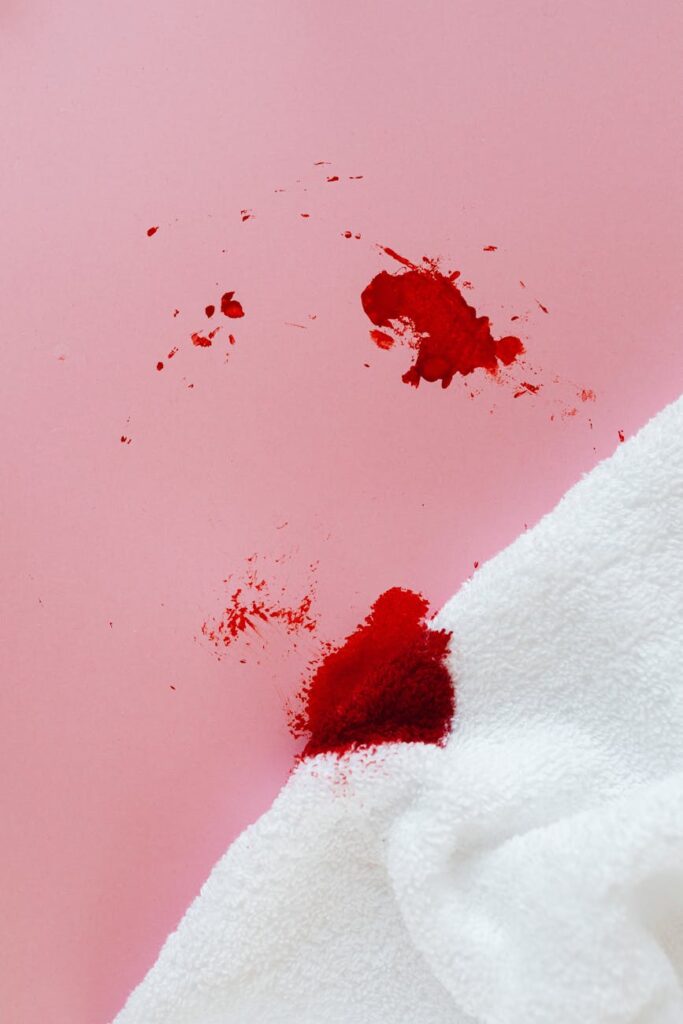
Stubborn Carpet Stains Laundry Guide Part 1
Introduction
Carpets can elevate the aesthetic of any room, but they also face daily wear and tear, leading to stubborn stains that can seem impossible to remove. From spilled drinks to muddy footprints, understanding how to tackle these stains effectively is essential for any homeowner. In this guide, we’ll explore the causes of laundry-related carpet stains, how to fix them, best cleaning methods, common mistakes to avoid, and tips for prevention.
What Causes Laundry?
Laundry stains on carpets often result from common household activities. Here are some of the primary culprits:
1. Food and Beverage Spills: Coffee, wine, and sauces are notorious for leaving stubborn stains.
2. Pet Accidents: Urine and feces can deeply penetrate carpet fibers, causing both stains and odors.
3. Dirt and Mud: Tracking in soil from shoes can leave unsightly marks, especially when wet.
4. Ink and Dye: From pens or markers, these can be particularly challenging to remove.
5. Grease: Cooking oils can easily transfer from hands or clothing to the carpet.
Understanding the source of a stain is the first step toward an effective cleaning strategy.
Why This Problem Happens
Stains occur when substances adhere to carpet fibers. Several factors influence how easily these stains can be removed:
1. Fiber Type: Synthetic fibers like nylon are generally more stain-resistant than natural fibers like wool.
2. Stain Age: Fresh stains are easier to remove compared to set-in stains that have had time to bond with the fibers.
3. Stain Composition: The chemical nature of the stain (oil-based vs. water-based) affects how it interacts with cleaning agents.
4. Improper Cleaning: Using the wrong cleaning method can worsen a stain rather than alleviate it.
5. Absorption: Carpets absorb liquids quickly, which can cause stains to spread if not attended to promptly.
How to Fix Laundry (Step-by-Step)
Step 1: Identify the Stain
Before you begin cleaning, identify the type of stain. This will determine the cleaning method you should use.
Step 2: Blot, Don’t Rub
For fresh stains:
- Use a clean, dry cloth to blot the stain. Start from the outside and work your way inward to avoid spreading.
- Do not rub, as this can push the stain further into the fibers.
- For water-based stains (like juice or soda): Mix one tablespoon of dish soap, one tablespoon of white vinegar, and two cups of warm water.
- For oil-based stains (like grease): Use a mixture of one tablespoon of dish soap and two cups of warm water.
- For protein stains (like blood or pet urine): Mix one tablespoon of dish soap with two cups of warm water and a tablespoon of white vinegar.
Step 3: Prepare Your Cleaning Solution
Depending on the stain type, prepare an appropriate cleaning solution. Here are a few options:
Step 4: Apply the Solution
Using a clean cloth, apply the cleaning solution to the stained area. Blot gently, allowing the solution to penetrate the fibers.
Step 5: Rinse
Using a separate cloth dampened with plain water, blot the area again to remove any residual cleaning solution. This is crucial to prevent any sticky residue that can attract dirt.
Step 6: Dry
Blot the area with a dry cloth to absorb excess moisture. If possible, place a fan or open a window to help the area dry completely.
Step 7: Repeat if Necessary
If the stain persists, repeat the above steps. Stubborn stains may require several applications.
Best Cleaning Methods
1. Steam Cleaning: This method uses high-pressure steam to lift stains and dirt. It’s particularly effective for deep cleaning carpets.
2. Dry Cleaning: For delicate carpets, dry cleaning solutions can effectively remove stains without the use of water.
3. Spot Cleaning: For small, localized stains, spot cleaning with the right solution can be the most effective method.
4. Professional Cleaning: For severe or set-in stains, hiring a professional carpet cleaner may be necessary. They have access to industrial-grade equipment and specialized products.
Common Mistakes to Avoid
1. Using Hot Water: Hot water can set certain stains, especially protein-based ones. Use cold or lukewarm water instead.
2. Over-wetting: Applying too much liquid can cause the stain to spread and lead to mold growth.
3. Ignoring the Carpet Type: Different carpets require different cleaning methods. Always check the manufacturer’s care instructions.
4. Not Testing Solutions: Always test your cleaning solution on an inconspicuous area first to ensure it won’t harm the carpet.
5. Skipping the Rinse Step: Residual cleaning solution can attract dirt, making the area dirtier over time.
Prevention Tips
1. Immediate Action: Attend to spills immediately to prevent stains from setting.
2. Regular Cleaning: Vacuum carpets regularly to remove dirt and debris that can contribute to stains.
3. Use Area Rugs: Place area rugs in high-traffic areas to protect the carpet beneath.
4. Implement a No-Shoes Policy: Encourage guests to remove their shoes before entering your home.
5. Stain-Resistant Treatments: Consider applying a stain-resistant treatment to your carpets to make them easier to clean.
Frequently Asked Questions
1. How long should I wait before treating a stain?
Act as quickly as possible. Fresh stains are much easier to remove than those that have set for a long time.
2. Can I use bleach on my carpet?
No, bleach can damage carpet fibers and alter their color. Stick to fabric-safe cleaning solutions.
3. What is the best way to remove pet urine stains?
Blot the area with a paper towel, then apply a mixture of dish soap, white vinegar, and water. Rinse and dry thoroughly.
4. Will a steam cleaner remove all stains?
Steam cleaners are effective but may not remove all stains, especially old or set-in ones. You may need additional treatments for stubborn stains.
5. Can I use baking soda to remove stains?
Yes, baking soda can absorb odors and help lift some stains. Sprinkle it on the area after applying a cleaning solution, let it sit, and then vacuum.
6. How often should I clean my carpets?
Aim for professional cleaning every 12 to 18 months, but spot clean as needed for individual stains.
By following these guidelines, you can tackle stubborn carpet stains effectively and maintain the beauty of your carpets. Stay tuned for Part 2, where we’ll delve into more advanced techniques and specialized cleaning products.