
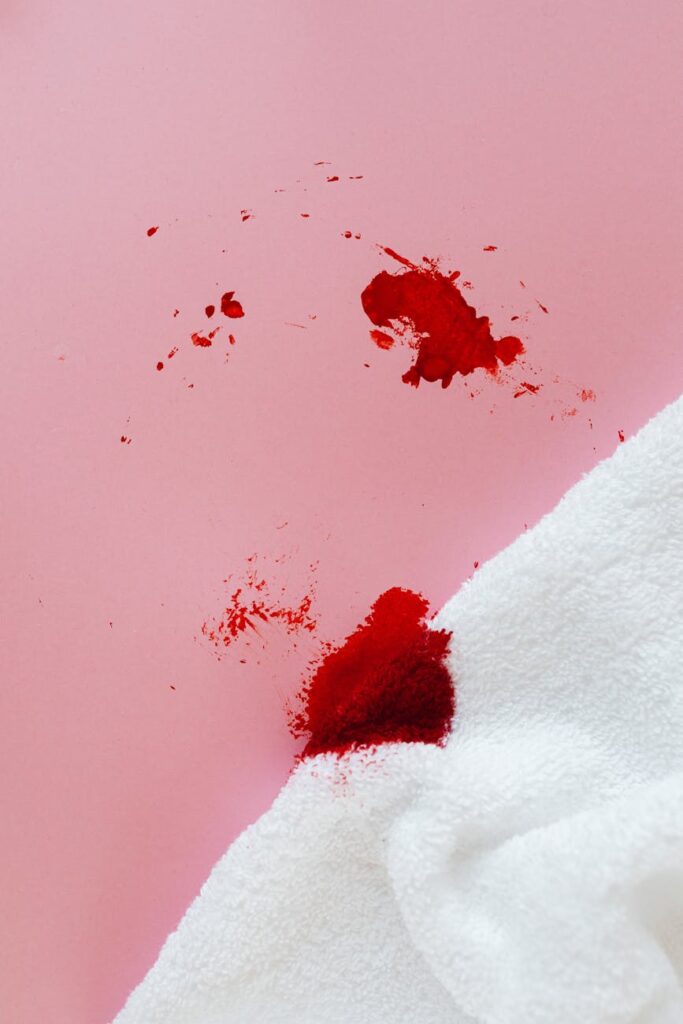
Stubborn Carpet Stains Bathroom Guide Part 1
Introduction
Bathrooms are often the smallest rooms in our homes, yet they can be major offenders when it comes to stubborn carpet stains. Whether it’s from water splashes, hair dye, or even mildew, these stains can be difficult to remove and can affect the overall appearance of your bathroom. In this guide, we’ll explore the causes of these stains, effective cleaning methods, and tips for prevention.
What Causes Bathroom Stains?
Bathroom carpet stains can arise from various sources:
1. Water Damage: Bathrooms are prone to spills and splashes. Water can soak into the carpet fibers, leading to stains and odors.
2. Mildew and Mold: High humidity levels provide a perfect breeding ground for mildew and mold, which can leave dark stains.
3. Hair Products: Dyes, sprays, and gels can easily stain carpets if spilled or dripped.
4. Bathroom Cleaning Products: Some cleaning agents may leave behind residues that can discolor carpets over time.
5. Body Fluids: Accidental spills of bodily fluids can lead to tough stains that require immediate attention.
Why This Problem Happens
The bathroom’s unique environment—high humidity and frequent use—creates a perfect storm for stubborn carpet stains. Water from showers or baths can soak into the carpet. If not dried promptly, this moisture leads to mold and mildew. Hair products can leave residues that not only stain but can also attract more dirt and grime. Understanding these elements can help you address the stains effectively.
How to Fix Bathroom Stains (Step-by-Step)
Step 1: Gather Your Supplies
Before you start, gather the following cleaning supplies:
- White vinegar
- Baking soda
- Dish soap
- Spray bottle
- Clean cloths or paper towels
- Soft-bristled brush
- Vacuum cleaner
- Warm water
Step 2: Blot the Stain
1. Act Quickly: As soon as you notice a stain, blot it with a clean cloth or paper towel. Avoid rubbing, as this can spread the stain deeper into the carpet fibers.
2. Dab, Don’t Rub: Gently dab the area until no more moisture is transferring to your cloth.
Step 3: Apply Cleaning Solution
1. For Water Stains: Mix equal parts of white vinegar and warm water in a spray bottle. Spray the affected area generously.
2. For Other Stains: Create a paste using baking soda and a few drops of dish soap. Apply the paste to the stain and let it sit for 15-20 minutes.
Step 4: Scrub the Stain
Using a soft-bristled brush or cloth, gently scrub the area where the stain is located. Be careful not to damage the carpet fibers. For stubborn stains, you may need to apply more cleaning solution and scrub again.
Step 5: Rinse
1. Remove Residue: Dampen a clean cloth with warm water and blot the area to remove any cleaning solution. This will help prevent residue buildup.
2. Dry the Area: Use a dry cloth to blot up excess moisture. If possible, place a fan near the area to help it dry completely.
Step 6: Vacuum
Once the area is dry, vacuum the carpet to lift the fibers back up and restore its original texture.
Best Cleaning Methods
1. Vinegar and Water: This natural solution effectively removes stains and neutralizes odors.
2. Baking Soda: Great for absorbing moisture and odors; it lifts stains when used as a paste.
3. Dish Soap: Works well for grease-based stains, especially from hair products.
4. Steam Cleaning: If the stains persist, consider renting a steam cleaner specifically designed for carpets. This method uses hot water extraction to remove tough stains and allergens.
Common Mistakes to Avoid
1. Using Hot Water: Hot water can set some stains, especially those from proteins or dyes. Always use cold or warm water for initial cleaning.
2. Over-Saturating: Applying too much cleaning solution can lead to residue buildup and further staining. Use just enough to dampen the carpet.
3. Ignoring the Source: Always address the cause of the stain, whether it’s fixing leaks or preventing spills.
4. Using the Wrong Products: Some cleaning products can damage carpet fibers or set stains. Always test a small, inconspicuous area first.
Prevention Tips
1. Use Mats: Place absorbent mats in front of sinks and showers to catch excess moisture and spills.
2. Regular Cleaning: Vacuum regularly and perform spot cleaning as soon as spills occur to prevent stains from setting.
3. Control Humidity: Use exhaust fans or dehumidifiers to keep the bathroom dry and reduce mold and mildew growth.
4. Seal the Carpet: Consider using a carpet protector spray that can repel stains and moisture.
5. Educate Family Members: Encourage everyone to be mindful of spills and to clean up accidents immediately.
Frequently Asked Questions
1. Can I use bleach on carpet stains?
Bleach can discolor carpet fibers and is not recommended for stain removal. Stick to safer alternatives like vinegar or baking soda.
2. How can I remove mildew stains from my carpet?
Follow the steps outlined above using a vinegar and water solution. For persistent stains, a mixture of baking soda and vinegar may work effectively.
3. What should I do if the stain persists?
If the stain doesn’t come out after your initial cleaning efforts, consider using a carpet steam cleaner or consult a professional cleaning service.
4. Can I prevent future stains?
Yes, by using absorbent mats, regularly cleaning, and controlling humidity, you can significantly reduce the chances of stubborn stains.
5. Is it safe to use commercial carpet cleaners?
Always read the label and ensure the product is safe for your specific carpet type. Test a small area first to avoid damage.
6. How often should I clean my bathroom carpet?
Aim for a deep clean at least once a month and perform spot cleaning as soon as any spills occur to maintain the carpet’s appearance.
By following these guidelines, you can effectively tackle stubborn carpet stains in your bathroom, ensuring a clean and welcoming space. Stay tuned for Part 2, where we delve into advanced cleaning techniques and maintenance tips!