
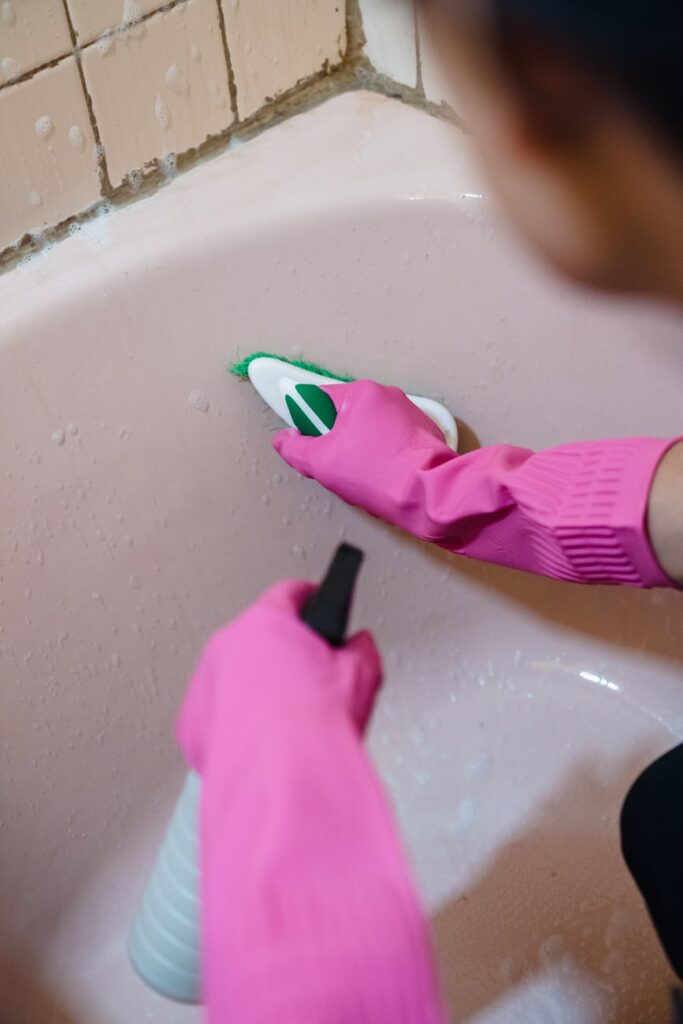
Stovetop Stains Guide Part 1
Introduction
Stovetop stains can be a frustrating aspect of cooking. Whether it’s grease splatters, burnt food, or spills, these marks can make your kitchen look unkempt. In this guide, we’ll dive into the causes of stovetop stains, why they occur, how to effectively clean them, and tips for preventing future stains.
What Causes Stains?
Stovetop stains primarily stem from three sources:
1. Food Spills: Cooking often involves bubbling sauces, boiling pasta, and frying meats. These activities frequently lead to spills.
2. Grease: During cooking, oil and fat can splatter, leaving greasy residues that attract dirt and grime.
3. Burnt Food: If food is left unattended or cooked at too high a temperature, it can burn and adhere to the stovetop surface.
Why This Problem Happens
Stovetops, especially those made of glass or ceramic, are prone to staining due to their smooth surfaces. When food or grease comes into contact with heat, it can bond with the material. The longer the stain sits, the more difficult it becomes to remove. Additionally, using inappropriate cleaning methods can worsen the stains or damage the surface.
How to Fix Stains (Step-by-Step)
Step 1: Gather Your Supplies
- Soft cloth or sponge
- Baking soda
- White vinegar
- Dish soap
- Scraper (plastic preferred)
- Microfiber towel
- Water
- Use a specialized glass cleaner or a mixture of baking soda and vinegar.
- Avoid harsh scrubbers that can scratch the surface.
- Use a stainless steel cleaner or a mixture of dish soap and water.
- Always scrub in the direction of the grain to avoid scratches.
- Remove the coils and soak them in soapy water.
- Wipe down the stovetop with a damp cloth and dry thoroughly before reassembling.
- Using Steel Wool or Abrasive Cleaners: These can scratch and damage your stovetop.
- Ignoring Stains: Allowing stains to sit can make them harder to remove.
- Not Rinsing Properly: Leaving residue from cleaning products can lead to a sticky surface and attract more dirt.
- Using Excessive Water: This can seep into electrical components, especially with coil stovetops.
Step 2: Cool Down the Stovetop
Ensure the stovetop is completely cool before starting the cleaning process. This prevents burns and allows for safe handling.
Step 3: Initial Wipe Down
Use a damp cloth or sponge to wipe away loose debris and crumbs from the stovetop.
Step 4: Create a Cleaning Paste
Mix equal parts baking soda and water to form a paste. This gentle abrasive is effective for lifting stains without scratching the surface.
Step 5: Apply the Paste
Spread the paste over the stained areas. Let it sit for 10-15 minutes to penetrate the stains.
Step 6: Scrub Gently
Using a soft cloth or sponge, gently scrub the stained area. For tougher stains, you can use a plastic scraper to lift the residue without damaging the surface.
Step 7: Rinse
Dampen a clean cloth with warm water and wipe away the baking soda paste. Ensure all residue is removed.
Step 8: Disinfect
Spray a mixture of equal parts white vinegar and water onto the stovetop. This helps to disinfect and remove any lingering odors. Wipe it down with a clean, dry towel.
Step 9: Final Polish
For a streak-free finish, buff the surface with a microfiber towel.
Best Cleaning Methods
Different stovetop materials require specific cleaning techniques:
For Glass or Ceramic Stovetops
For Stainless Steel Stovetops
For Electric Coil Stovetops
Common Mistakes to Avoid
Prevention Tips
1. Use Splatter Guards: These can reduce the amount of grease that escapes during cooking.
2. Clean Spills Immediately: Wipe up any spills as soon as they happen to prevent staining.
3. Cook at Moderate Temperatures: This reduces the risk of burning food.
4. Invest in Quality Cookware: Using non-stick pans can help minimize food sticking to the stovetop.
5. Regular Maintenance: Establish a routine cleaning schedule to keep your stovetop looking its best.
Frequently Asked Questions
1. How often should I clean my stovetop?
It’s best to clean your stovetop after each use to prevent stains from setting in.
2. Can I use vinegar on all stovetop types?
Vinegar is generally safe for glass and stainless steel stovetops, but always check your manufacturer’s guidelines before use.
3. What if the stains are still visible after cleaning?
For stubborn stains, repeat the cleaning process or consider using a commercial stovetop cleaner designed for tough stains.
4. Is it safe to use bleach on my stovetop?
No, bleach can damage the surface of most stovetops and is not recommended.
5. How do I clean a gas stovetop?
Remove the burners and soak them in soapy water. Clean the stovetop surface with a damp cloth and a suitable cleaner.
6. Are there any eco-friendly cleaning options?
Yes, baking soda and vinegar are both environmentally friendly and effective for stovetop cleaning.
By following these guidelines, you can tackle stovetop stains effectively and maintain a clean kitchen environment. Remember, prevention is key, so adopt good cooking habits to minimize future issues. Happy cooking!