
Stovetop Stains Mould & Damp Guide Part 1
Introduction
Mould and damp on your stovetop can be a frustrating problem that not only affects the appearance of your kitchen but also poses potential health risks. Understanding the causes and solutions for these stains can help you maintain a clean and safe cooking environment. In this guide, we’ll delve into the causes of mould and damp, provide actionable steps to remedy the issue, and share tips for prevention.
What Causes Mould & Damp?
Mould and dampness on your stovetop can stem from several factors:
1. Excess Moisture: Cooking generates steam, which can condense on surfaces, especially if your kitchen lacks proper ventilation.
2. Food Residue: Spills from cooking can create an environment conducive to mould growth if not cleaned promptly.
3. Poor Cleaning: Infrequent or improper cleaning can leave behind residues that promote mould.
4. Humidity: High humidity levels in your home can lead to damp spots, especially in kitchens where cooking occurs regularly.
Why This Problem Happens
Understanding why mould and damp form on your stovetop is crucial for effective prevention and cleaning. Here are some key reasons:
- Inadequate Ventilation: Without proper airflow, moisture accumulates, creating a breeding ground for mould.
- Temperature Fluctuations: If your stovetop cools quickly after cooking, moisture can form on the surface.
- Neglected Cleanliness: Regular cooking can lead to stubborn stains if spills and splatters are not cleaned up promptly.
- White vinegar or lemon juice
- Baking soda
- Spray bottle
- Soft cloth or sponge
- Scrubbing brush (non-abrasive)
- Gloves (optional)
- Spray the affected area generously with the cleaning solution.
- Allow it to sit for 10-15 minutes to loosen the mould.
- Wipe the area with a damp cloth to remove any residue.
- Dry thoroughly with a clean towel to prevent moisture from accumulating.
- Ignoring the Problem: Letting mould grow unchecked can lead to more severe issues. Address stains as soon as you notice them.
- Using Abrasive Cleaners: Harsh chemicals or scrubbers can damage your stovetop surface. Stick to gentle solutions.
- Not Drying Properly: Failing to dry the area completely can lead to recurring mould growth.
- Overlooking the Surrounding Areas: Check nearby surfaces like countertops and walls, as mould can spread.
How to Fix Mould & Damp (Step-by-Step)
Cleaning mould and damp from your stovetop requires a systematic approach to ensure complete removal. Follow these steps:
Step 1: Gather Your Supplies
Step 2: Create a Cleaning Solution
In a spray bottle, mix equal parts of white vinegar and water or use lemon juice for a natural alternative.
Step 3: Apply the Solution
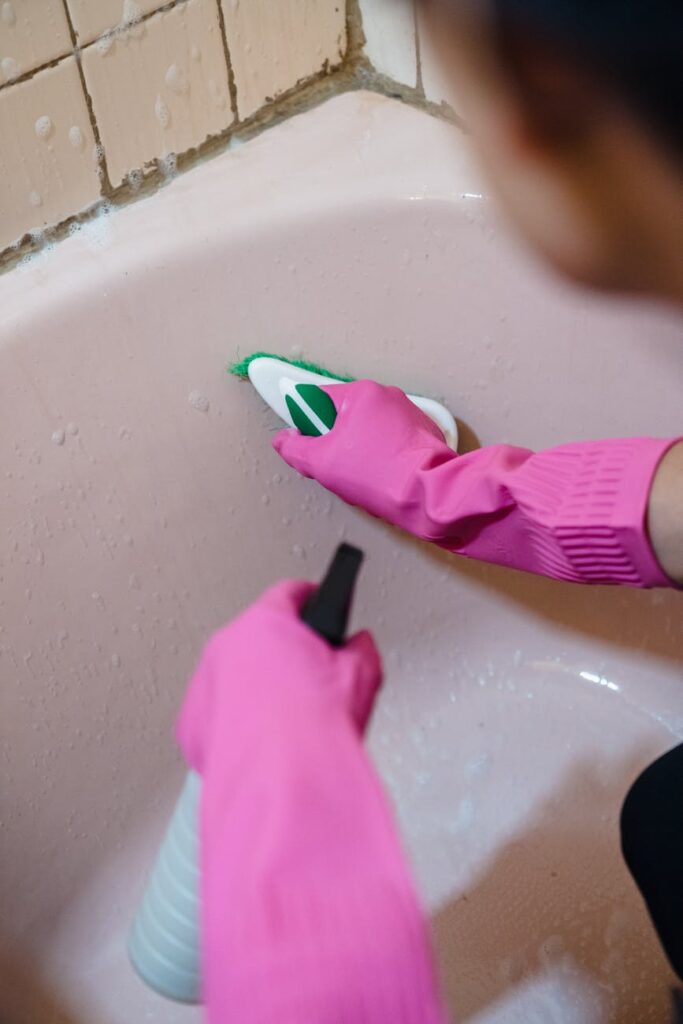
Step 4: Scrub the Area
Using a soft cloth or sponge, gently scrub the area. For stubborn mould, sprinkle baking soda on top of the solution before scrubbing.
Step 5: Rinse and Dry
Step 6: Inspect and Repeat
Check for any remaining stains. If necessary, repeat the cleaning process until the stovetop is free of mould.
Best Cleaning Methods
Here are some effective methods to tackle mould and damp:
1. Vinegar and Baking Soda: A potent combination for mould removal. Vinegar kills mould spores, while baking soda acts as a gentle abrasive.
2. Lemon Juice: The acidity in lemon juice helps to cut through grease and disinfect surfaces.
3. Commercial Cleaners: If natural methods don’t work, consider using a commercial mould remover. Always follow the manufacturer’s instructions.
Common Mistakes to Avoid
Avoid these pitfalls when cleaning mould and damp from your stovetop:
Prevention Tips
Preventing mould and damp is easier than cleaning it. Here are some practical tips:
1. Improve Ventilation: Use exhaust fans while cooking to reduce humidity levels.
2. Wipe Down After Cooking: Clean your stovetop immediately after use to prevent moisture accumulation.
3. Control Humidity: Use a dehumidifier in your kitchen if you live in a humid climate.
4. Seal Surfaces: Regularly reseal stovetop surfaces to make cleaning easier and reduce the likelihood of mould growth.
5. Regularly Inspect: Periodically check for signs of dampness or mould to catch issues early.
Frequently Asked Questions
1. How often should I clean my stovetop to prevent mould?
Aim to clean your stovetop after each use to minimize spills and moisture.
2. Can mould on my stovetop affect my health?
Yes, mould can release spores into the air, which may cause allergic reactions or respiratory issues.
3. What is the best way to dry my stovetop after cleaning?
Use a clean, dry cloth or paper towel to thoroughly wipe down the surface, ensuring no moisture remains.
4. Is it safe to use bleach to remove mould?
While bleach can kill mould, it can be harsh on some stovetop surfaces and may not be necessary. Opt for gentler methods first.
5. How can I tell if the mould is gone?
Inspect the area after cleaning; there should be no visible stains or a musty smell.
6. What if the mould keeps coming back?
If mould recurs, check for underlying moisture issues or consider consulting a professional to address drainage or ventilation problems.
Maintaining a clean stovetop free of mould and damp is vital for both aesthetics and health. By following the steps outlined in this guide, you can tackle existing problems and prevent future occurrences effectively.