
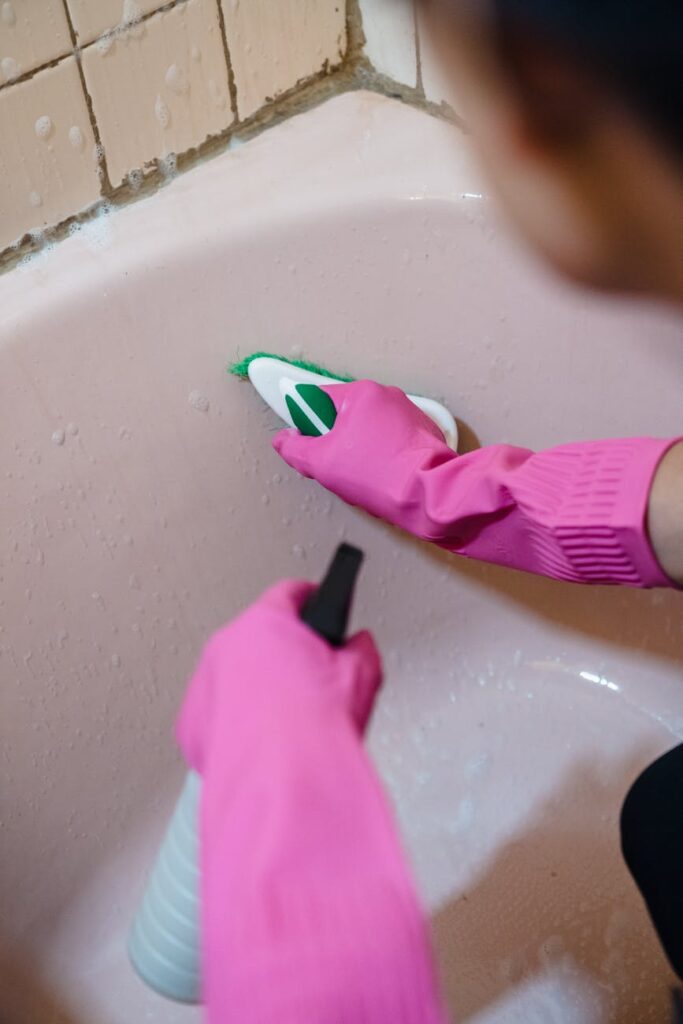
Stovetop Stains Cleaning Guide Part 1
Introduction
Stovetop stains can be a pesky problem for any homeowner. Whether you’re dealing with grease splatters, burnt-on food, or stubborn marks, a clean stovetop not only enhances the appearance of your kitchen but also ensures a more hygienic cooking environment. This guide will walk you through the causes of these stains, effective cleaning methods, and tips to prevent them from reoccurring.
What Causes Stovetop Stains?
Stovetop stains can arise from various cooking activities. Understanding these causes will help you address the issue more effectively.
1. Grease Splatter: Cooking meats or frying foods can lead to grease splatters that cling to your stovetop.
2. Burnt Food Residue: Leaving food unattended can result in burnt food that sticks to the surface.
3. Boiling Over: Sauces or liquids that boil over can create sticky stains that are hard to remove.
4. Food Spills: Any spills from pots or pans can leave behind residue if not cleaned promptly.
5. Chemical Reactions: Certain foods can react with the stovetop surface, especially on glass or ceramic models, leading to discoloration.
Why This Problem Happens
Stovetop stains occur due to a combination of factors:
- Heat: High temperatures can cause food and oil to adhere to the surface.
- Material: Different stovetop materials (glass, stainless steel, or enamel) react differently to spills and heat, affecting stain occurrence.
- Neglect: Regularly cleaning your stovetop can prevent buildup. Once stains set in, they become harder to remove.
- Soft cloths or paper towels
- A non-abrasive scrub pad
- Dish soap
- Baking soda
- White vinegar
- Commercial stovetop cleaner (optional)
- A spray bottle
- Baking Soda and Vinegar: Effective for tough stains.
- Commercial Glass Cooktop Cleaner: Use according to manufacturer instructions.
- Dish Soap Solution: Gentle and effective for everyday cleaning.
- Baking Soda Paste: Mix with water for tougher stains.
- Mild Abrasive Cleaner: Use sparingly to avoid scratching.
- Baking Soda Paste: Safe for enamel surfaces.
How to Fix Stovetop Stains (Step-by-Step)
Cleaning your stovetop effectively requires a strategic approach. Follow these steps for optimal results:
Step 1: Gather Your Supplies
Before you start, gather the necessary items:
Step 2: Cool Down
Ensure your stovetop is completely cool to avoid burns or damage to the cleaning materials.
Step 3: Initial Wipe Down
Use a damp cloth or paper towel to wipe away any loose debris or crumbs. This will make it easier to tackle the stains.
Step 4: Apply Cleaning Solution
For general cleaning, mix warm water with a few drops of dish soap. For tougher stains, sprinkle baking soda on the stained area and spray with white vinegar. Let it fizz for a few minutes.
Step 5: Scrub the Stain
Using a non-abrasive scrub pad, gently scrub the stained area. For stubborn stains, let the baking soda and vinegar solution sit for 10-15 minutes before scrubbing.
Step 6: Rinse and Dry
Wipe the area with a clean, damp cloth to remove any cleaning solution residue. Dry with a soft cloth to prevent streaks.
Step 7: Repeat if Necessary
For persistent stains, you may need to repeat the process or use a commercial stovetop cleaner designed for your specific surface type.
Best Cleaning Methods
Different stovetop materials require different cleaning methods. Here’s a breakdown:
For Glass Cooktops
For Stainless Steel Cooktops
For Enamel Cooktops
Common Mistakes to Avoid
1. Using Abrasive Cleaners: Avoid steel wool or harsh chemicals, which can scratch or damage surfaces.
2. Not Cleaning Regularly: Allowing stains to set in makes them harder to remove.
3. Ignoring Manufacturer Guidelines: Always check your stovetop’s manual for recommended cleaning methods.
4. Using Excessive Water: Too much water can seep into electrical components, causing damage.
Prevention Tips
1. Clean Spills Immediately: Wipe up any spills right after cooking to prevent stains from setting.
2. Use Stovetop Liners: These can catch spills and are easier to clean.
3. Cover Pots and Pans: This minimizes splatter during cooking.
4. Regular Maintenance: Schedule regular cleanings to keep your stovetop in good condition.
5. Choose Non-Stick Cookware: This can help reduce the amount of food that sticks to the surface.
Frequently Asked Questions
1. How often should I clean my stovetop?
Aim to clean your stovetop after each use to prevent stains from setting.
2. Can I use bleach on my stovetop?
No, bleach can damage most stovetop materials. Stick to soap and vinegar solutions for cleaning.
3. What’s the best way to remove burnt-on food?
Soak the area with a baking soda and vinegar solution, let it sit, and then scrub gently.
4. Is it safe to use steel wool on my stovetop?
No, steel wool can scratch and damage most stovetop surfaces. Use non-abrasive pads instead.
5. Can I use commercial cleaners on all types of stovetops?
Always check the manufacturer’s recommendations, as some cleaners may not be suitable for certain materials.
6. How can I prevent future stains?
Regular cleaning, using stovetop liners, and covering pots while cooking can help prevent stains.
By following this guide, you can tackle stovetop stains effectively and keep your kitchen looking its best. Remember, a little maintenance goes a long way in preventing stubborn stains from becoming a major cleaning headache. Stay tuned for Part 2, where we will delve into advanced cleaning techniques and solutions for specific types of stains.