
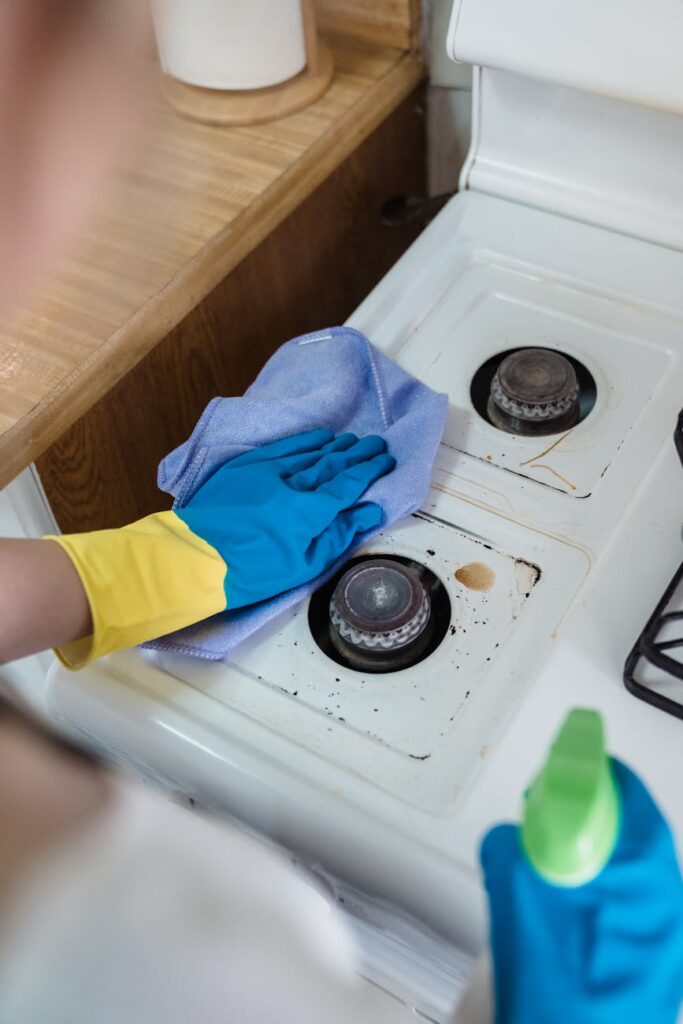
Stove Top Odor Stains Guide Part 1
Introduction
Stove tops are often the heart of the kitchen, where delicious meals are prepared. However, with cooking comes the inevitable problem of odors and stains. These can linger even after the cooking has stopped, affecting the overall ambiance of your kitchen. In this guide, we’ll explore the causes of stove top odor stains, provide step-by-step cleaning methods, and share tips to prevent them from returning.
What Causes Stains?
Stains on your stove top can result from various cooking activities. Here are the most common culprits:
- Spills: Oils, sauces, and food particles can splatter during cooking.
- Burnt Food: When food burns onto the stove, it can create tough stains and odors.
- Food Residue: Even after cooking, some foods leave behind a sticky residue.
- Smoke: Cooking at high temperatures can produce smoke, which can settle on surfaces.
- Grease: Cooking oils can accumulate, leading to both stains and odors.
- Heat: High temperatures can cause food particles to bond with the surface of the stove, making them harder to clean.
- Time: The longer stains remain, the tougher they become. A quick wipe after cooking can prevent stubborn stains from forming.
- Type of Cookware: Certain cookware materials, like cast iron, can leave behind more residues than others.
- Cooking Techniques: Frying and sautéing are more likely to cause splatters than boiling or steaming.
- Mild dish soap
- Baking soda
- White vinegar
- Soft cloths or sponges
- A non-abrasive scrubber (for tough stains)
- A spray bottle
- Vinegar Spritz: Mix equal parts water and white vinegar in a spray bottle. Spray on the surface and wipe with a soft cloth for a streak-free shine.
- Commercial Cleaners: Use products specifically designed for glass stove tops if stains persist.
- Oil and Vinegar: Apply a small amount of cooking oil to a soft cloth, then wipe the surface. Follow up with a vinegar solution to remove any greasy residue.
- Specialty Cleaners: Consider using stainless steel cleaners to restore shine and prevent future stains.
- Remove Coils: Take off the coils and clean underneath using soapy water. Be sure to dry thoroughly before reassembling.
- Baking Soda: Use a paste of baking soda on tough stains, scrubbing gently before rinsing.
Why This Problem Happens
Understanding why these stains and odors occur can help you address the problem effectively:
How to Fix Stains (Step-by-Step)
Step 1: Gather Your Supplies
Before you start cleaning, gather the following:
Step 2: Initial Wipe Down
1. Turn Off the Stove: Ensure the stove is cool to the touch.
2. Wipe with a Damp Cloth: Use a damp cloth to remove any loose debris or food particles.
Step 3: Create a Cleaning Solution
1. Mix Soap and Water: In a bowl, mix warm water with a few drops of mild dish soap.
2. Baking Soda Paste: For tougher stains, create a paste with baking soda and a small amount of water.
Step 4: Apply the Solution
1. Soak the Stains: Soak a cloth in the soapy water and lay it over the stained area. Let it sit for 10-15 minutes.
2. Scrub: After soaking, use the non-abrasive scrubber to gently scrub the stain. For stubborn stains, apply the baking soda paste and let it sit for another 10 minutes before scrubbing.
Step 5: Rinse and Dry
1. Rinse the Area: Use a clean cloth dampened with plain water to wipe away any soap or baking soda residue.
2. Dry Thoroughly: Use a dry cloth to wipe down the stove top, ensuring no moisture is left behind.
Best Cleaning Methods
Different stove top materials require different cleaning methods:
For Glass or Ceramic Stove Tops
For Stainless Steel Stove Tops
For Electric Coil Stove Tops
Common Mistakes to Avoid
1. Using Abrasive Cleaners: Avoid steel wool or abrasive scrubbers, which can scratch surfaces.
2. Ignoring Spills: Don’t let spills sit; clean them immediately for easier removal.
3. Over-Using Water: Excess water can seep into electrical components, especially on electric stove tops.
4. Skipping Regular Maintenance: Regular cleaning can prevent tougher stains from forming.
Prevention Tips
1. Use Splatter Guards: Consider using splatter guards when frying or cooking with sauces to minimize mess.
2. Cook at Lower Temperatures: Reducing heat can help prevent food from burning and sticking.
3. Clean After Each Use: A quick wipe down after cooking can save you time and effort later.
4. Keep Cookware Clean: Regularly clean your pots and pans to prevent transferring grease to your stove.
Frequently Asked Questions
1. How often should I clean my stove top?
It’s best to clean your stove top after each use to prevent stains and odors from building up.
2. Can I use vinegar on all stove top surfaces?
Vinegar is safe for most surfaces, but always check your manufacturer’s guidelines, especially for glass or ceramic tops.
3. What should I do if the odor persists after cleaning?
If odors linger, try placing a bowl of baking soda on the stove overnight to absorb bad smells.
4. Is it safe to use bleach on my stove top?
No, bleach can damage stove top surfaces. Stick to mild cleaners and natural solutions.
5. How do I handle burnt-on stains?
For burnt-on stains, use a baking soda paste or a commercial cleaner designed for tough stains, letting it sit before scrubbing.
6. What’s the best way to clean grease stains?
Combine baking soda and water to form a paste, apply it to the stain, let it sit, then scrub gently before rinsing.
By following this guide, you can effectively tackle stove top odor stains and maintain a fresh, clean kitchen environment. Stay tuned for Part 2, where we’ll discuss advanced cleaning techniques and maintenance tips!