
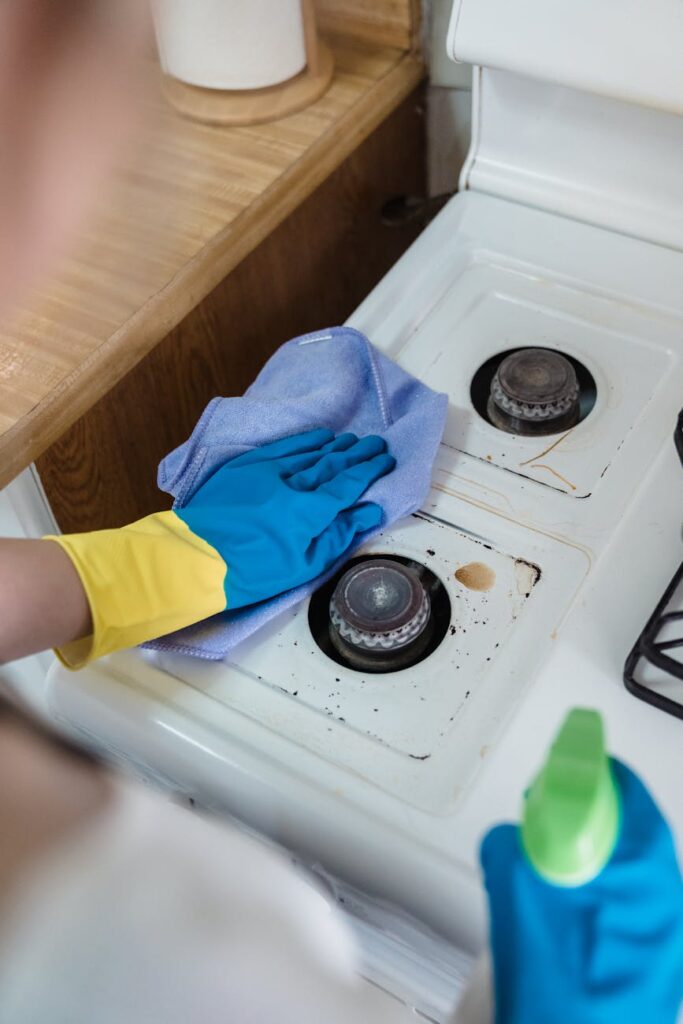
Stove Top Odour Guide Part 1
Introduction
Stove top odours can be a persistent problem in any kitchen, often lingering long after the cooking has finished. Whether it’s the smell of burnt food, grease, or spices, these odours can make your home feel less inviting. Knowing how to tackle these smells effectively can make a significant difference. In this guide, we will explore what causes stove top odours, why they occur, and provide you with practical steps to eliminate them.
What Causes Odours?
Stove top odours typically arise from a combination of food residues and cooking techniques. Here are some common culprits:
- Burnt Food: Overcooked or burnt meals can leave behind strong, acrid smells.
- Spills: Food and liquids that spill onto the stove can create baked-on residues that emit odours.
- Grease Build-Up: Grease from cooking can accumulate over time, leading to rancid smells.
- Spices and Aromatics: While delicious, potent spices can leave lingering scents if not cleaned properly.
- Old Food Particles: Leftover food particles that get trapped in crevices can emit foul smells.
- Dish soap
- Baking soda
- White vinegar
- Water
- Microfiber cloths
- Scrubbing sponge
- Spray bottle
Understanding these causes is the first step toward effectively addressing stove top odours.
Why This Problem Happens
The formation of odours on your stove top often results from several factors:
1. Infrequent Cleaning: Regular maintenance is crucial. Without it, food residues can build up, leading to persistent smells.
2. Cooking Habits: High-heat cooking can exacerbate odour issues, especially when spills occur.
3. Ventilation: Poor ventilation can trap smells inside the kitchen, making them more noticeable.
4. Grease Accumulation: Grease not only smells bad but can also catch fire if not cleaned regularly.
By recognizing these factors, you can take steps to minimize the occurrence of stove top odours.
How to Fix Odours (Step-by-Step)
Follow these steps to eliminate stubborn stove top odours:
Step 1: Gather Your Supplies
Collect the following cleaning supplies:
Step 2: Prepare the Area
Ensure the stove is turned off and cool to the touch. Remove any items from the stove top, including pots and pans.
Step 3: Wipe Down the Surface
Use a damp microfiber cloth to wipe down the stove top. This will remove loose debris and help prepare for deeper cleaning.
Step 4: Create a Cleaning Paste
Mix baking soda and water to form a paste. Apply this paste generously to any stained or greasy areas.
Step 5: Let it Sit
Allow the paste to sit for at least 15 minutes. This will help break down tough stains and odours.
Step 6: Scrub the Surface
Using a scrubbing sponge, gently scrub the stove top in circular motions. Pay special attention to burnt areas and grease spots.
Step 7: Rinse and Dry
Dampen a cloth with clean water and wipe away the baking soda paste. Make sure to remove all residue. Dry the surface with a clean, dry cloth.
Step 8: Freshen the Air
Fill a spray bottle with equal parts water and white vinegar. Lightly spray the stove top and surrounding areas. This will help neutralize lingering odours.
Best Cleaning Methods
1. Baking Soda and Vinegar
This classic combination is effective for breaking down grease and neutralizing smells.
2. Dish Soap Solution
A simple mixture of warm water and dish soap can effectively cut through grease.
3. Commercial Cleaners
For tough odours, consider using a commercial degreaser specifically designed for kitchen surfaces.
4. Essential Oils
Adding a few drops of essential oils like lemon or lavender to your cleaning solution can leave a pleasant scent.
Common Mistakes to Avoid
1. Using Abrasive Cleaners: Avoid harsh chemicals or abrasive pads that can scratch your stove top.
2. Neglecting Regular Cleaning: Make cleaning a habit after each cooking session to prevent build-up.
3. Ignoring Ventilation: Always use your kitchen exhaust fan when cooking to minimize odours.
4. Not Rinsing Properly: Failing to rinse off cleaning products can leave behind smells.
Prevention Tips
1. Cook with a Lid: Cover pots and pans to reduce the release of odours.
2. Use Baking Soda: Keep an open container of baking soda nearby to absorb smells.
3. Clean Immediately: Wipe down spills and splatters as soon as they happen.
4. Maintain Good Ventilation: Use exhaust fans or open windows while cooking to keep air circulating.
5. Regular Deep Cleaning: Schedule monthly deep cleans to remove grease and odours.
Frequently Asked Questions
1. How often should I clean my stove top?
Clean your stove top after each use and perform a deep clean at least once a month.
2. What if the odour persists after cleaning?
Try placing bowls of vinegar or baking soda around the kitchen to absorb lingering smells.
3. Can I use bleach to clean my stove top?
No, bleach can damage the surface and leave toxic fumes. Stick to non-toxic cleaning solutions.
4. How do I tackle burnt-on food?
Soak the area with a baking soda paste, then scrub gently with a sponge.
5. Is it safe to use essential oils on my stove?
Yes, as long as they are diluted in water or a cleaning solution, essential oils can add a pleasant scent.
6. Do I need to use special cleaners for glass stove tops?
Use cleaners specifically formulated for glass surfaces to avoid scratching or damaging the finish.
By following this comprehensive guide, you can effectively tackle stove top odours and ensure a pleasant cooking environment. Regular cleaning and maintenance are key to keeping your kitchen odour-free!