
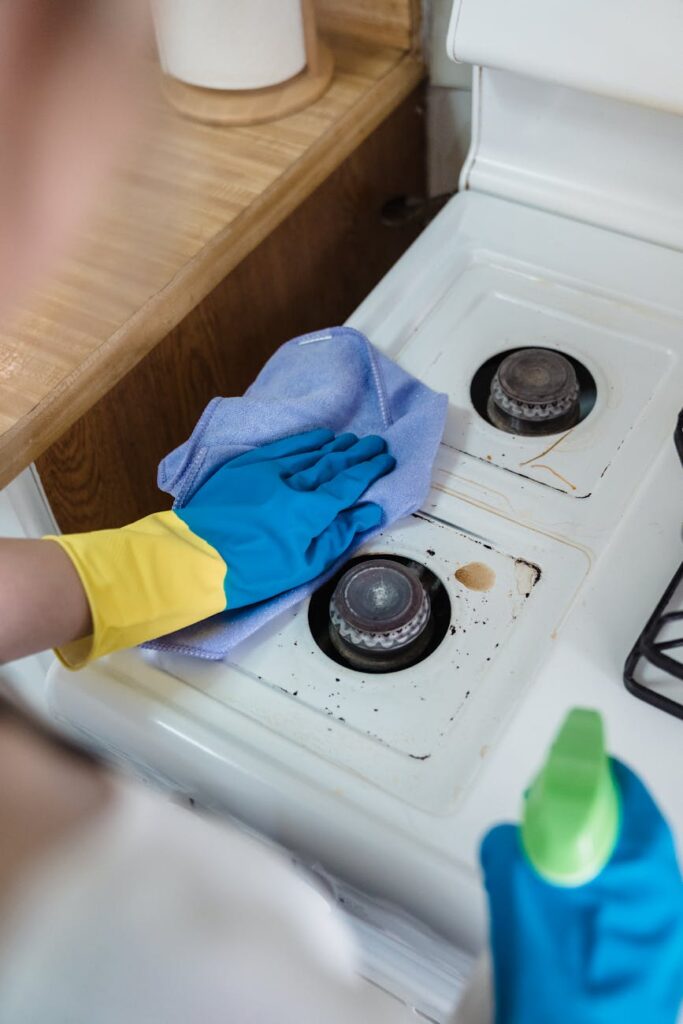
Stove Top Odor Kitchen Guide Part 1
Introduction
A clean kitchen is essential for both aesthetics and hygiene, but one common issue many homeowners face is unpleasant odors from the stove top. Whether it’s lingering smells from a recent cooking session or accumulated grime, these odors can make spending time in your kitchen less enjoyable. In this guide, we’ll explore the causes of stove top odors, why they occur, and practical steps to eliminate them effectively.
What Causes Kitchen Odor?
Stove top odors can stem from a variety of sources. Understanding these can help you tackle the problem more effectively. Here are some common culprits:
1. Food Residue: Spills and splatters from cooking can leave behind food particles that emit odors over time.
2. Burnt Oil: Cooking oil can burn onto the surface, creating a smoky smell that lingers.
3. Grease Buildup: Grease can accumulate on the stove top from regular cooking, leading to unpleasant smells.
4. Old Spices and Ingredients: Expired or old spices can release musty odors when heated.
5. Poor Ventilation: A lack of airflow can trap odors in the kitchen, making them more pronounced.
Why This Problem Happens
Stove top odors often arise from a combination of cooking habits and maintenance practices. Here’s why these issues occur:
- Neglecting Regular Cleaning: Without consistent cleaning, food residue and grease can build up, leading to stronger odors.
- Cooking Techniques: High-heat cooking methods, such as frying or sautéing, can cause oils to burn, creating lingering smells.
- Inadequate Ventilation: If your kitchen lacks proper airflow, odors can become trapped, intensifying their presence.
- Use of Old Ingredients: Cooking with expired spices or ingredients can contribute to unpleasant smells.
- Dish soap
- Baking soda
- White vinegar
- Spray bottle
- Soft cloths or sponges
- Scrub brush
- Toothbrush or small scrubbing tool
- Paper towels
- Using Abrasive Cleaners: Harsh chemicals or scrubbers can damage your stove’s surface. Stick to gentle cleaners.
- Neglecting the Area Around the Stove: Remember to clean the backsplash and surrounding areas, as odors can linger there too.
- Skipping Regular Maintenance: Regular cleaning is essential. Don’t wait for odors to build up before addressing the problem.
- Ignoring Ventilation: Always ensure proper ventilation while cooking to minimize odor buildup.
How to Fix Kitchen Odor (Step-by-Step)
Eliminating stove top odors requires a systematic approach. Follow these steps for a thorough clean:
Step 1: Gather Your Supplies
Before you start, gather the following cleaning supplies:
Step 2: Remove Loose Debris
Begin by clearing any loose debris or food particles from the stove top. Use a damp cloth or paper towel to wipe away crumbs and spills.
Step 3: Prepare a Cleaning Solution
Mix a solution of warm water and a few drops of dish soap in a bowl. For tougher odors, you can also create a paste using baking soda and water.
Step 4: Clean the Stove Top
1. Apply the Solution: Dip a soft cloth or sponge into the soapy water and wring out excess liquid. Wipe the stove top thoroughly, paying attention to areas with visible grease or stains.
2. Scrub Stubborn Spots: For tough odors and stains, apply the baking soda paste and let it sit for 5-10 minutes. Use a scrub brush or toothbrush to gently scrub the area.
3. Rinse: Wipe the stove top with a clean, damp cloth to remove any soap or baking soda residue.
Step 5: Deodorize
To neutralize any lingering odors, spray a mixture of equal parts white vinegar and water on the surface. Let it sit for a few minutes before wiping it down with a clean cloth.
Step 6: Ventilate
Open windows and turn on your kitchen fan to help dispel any remaining odors. This step is crucial for ensuring that your kitchen smells fresh.
Best Cleaning Methods
Choosing the right cleaning methods can make a significant difference in tackling stove top odors. Here are some effective methods:
1. Baking Soda Paste
Baking soda is a natural deodorizer. Mix it with water to create a paste and apply it to stubborn stains. Let it sit before scrubbing.
2. Vinegar Spray
White vinegar is excellent for neutralizing odors. Mix it with water in a spray bottle and use it after cleaning to eliminate any remaining smells.
3. Essential Oils
For a pleasant scent, consider adding a few drops of essential oils (like lemon or lavender) to your vinegar solution. This can help mask any unpleasant odors while cleaning.
4. Commercial Cleaners
If natural methods aren’t effective, consider using a commercial stove top cleaner. Ensure it’s safe for your stove’s surface and follow the manufacturer’s instructions.
Common Mistakes to Avoid
When tackling stove top odors, avoid these common pitfalls:
Prevention Tips
Preventing stove top odors is much easier than removing them. Here are some practical tips:
1. Clean Immediately After Cooking: Wipe down the stove top and surrounding areas after each use to prevent buildup.
2. Use a Splatter Guard: This can help reduce grease splatters during cooking, making cleanup easier.
3. Store Spices Properly: Keep spices in airtight containers and away from heat sources to maintain freshness.
4. Ventilate While Cooking: Always turn on your kitchen exhaust fan and open windows when cooking to allow odors to escape.
5. Regular Deep Cleaning: Schedule a deep clean of your kitchen every few weeks, focusing on the stove top and surrounding areas.
Frequently Asked Questions
1. How often should I clean my stove top?
It’s best to clean your stove top after each use. However, a deep clean should be performed every few weeks to prevent buildup.
2. Can I use bleach to clean my stove top?
Avoid using bleach on your stove top, as it can damage the surface. Stick to mild dish soap and natural cleaners.
3. Why does my stove top smell even after cleaning?
Lingering odors may be due to grease buildup in hard-to-reach areas or inadequate ventilation. Ensure you clean thoroughly and ventilate your kitchen while cooking.
4. What can I do to eliminate odors from burnt food?
For burnt food odors, sprinkle baking soda on the area and let it sit for a few hours before cleaning. You can also simmer water with lemon juice on the stove to help neutralize smells.
5. Are there any natural remedies for stove top odors?
Yes, vinegar and baking soda are both effective natural remedies for deodorizing your stove top.
6. How can I prevent odors from fried foods?
To minimize odors from frying, use a splatter screen and ensure proper ventilation. Additionally, consider using an air purifier in your kitchen.
By following these guidelines, you can keep your stove top clean and odor-free, making your kitchen a more inviting space. Stay tuned for Part 2, where we’ll delve deeper into specific cleaning techniques and products tailored for different stove types.