
Stove Top Odor Bathroom Guide Part 1
Introduction
Stove top odors can be an unwelcome guest in your bathroom, lingering long after you’ve finished cooking. These odors often arise from various cooking activities, affecting the ambiance of your home. In this guide, we’ll explore the causes of these odors, why they occur, and how you can effectively eliminate them from your bathroom.
What Causes Bathroom Odor?
The source of stove top odors in your bathroom can stem from several factors:
1. Cooking Residue: Grease and food particles can cling to surfaces and release odors.
2. Ventilation Issues: Poor air circulation can trap cooking smells and transfer them to other areas of your home.
3. Humidity: Steam and moisture from cooking can exacerbate odors, especially in a confined space like a bathroom.
4. Shared Airflow: If your kitchen and bathroom share ventilation, smells can easily travel between the two.
Why This Problem Happens
Understanding why stove top odors infiltrate your bathroom can help you tackle the issue more effectively:
- Air Circulation: When you cook, especially with high-heat methods, airborne particles can travel through your home’s ventilation system. If the airflow is not adequate, these particles settle in your bathroom.
- Moisture Retention: Cooking generates steam, which can carry odors. If your bathroom is already humid, this moisture can cling to walls and surfaces, making odors more persistent.
- Inadequate Cleaning: If the stove top is not regularly cleaned, accumulated grease and food particles can become a source of ongoing odor issues.
- Check the Kitchen: Before addressing odors in the bathroom, ensure your kitchen is clean. Look for grease spots, food residue, or spills near the stove.
- Baking Soda: A natural deodorizer. Sprinkle it on surfaces, let it sit for 15 minutes, then scrub and rinse.
- Vinegar: Mix equal parts vinegar and water in a spray bottle. Use it to wipe down surfaces and neutralize odors.
- Activated Charcoal: Place bowls of activated charcoal around your bathroom to absorb odors effectively.
How to Fix Bathroom Odor (Step-by-Step)
Addressing stove top odors in your bathroom requires a systematic approach:
Step 1: Identify the Source
Step 2: Clean the Kitchen Thoroughly
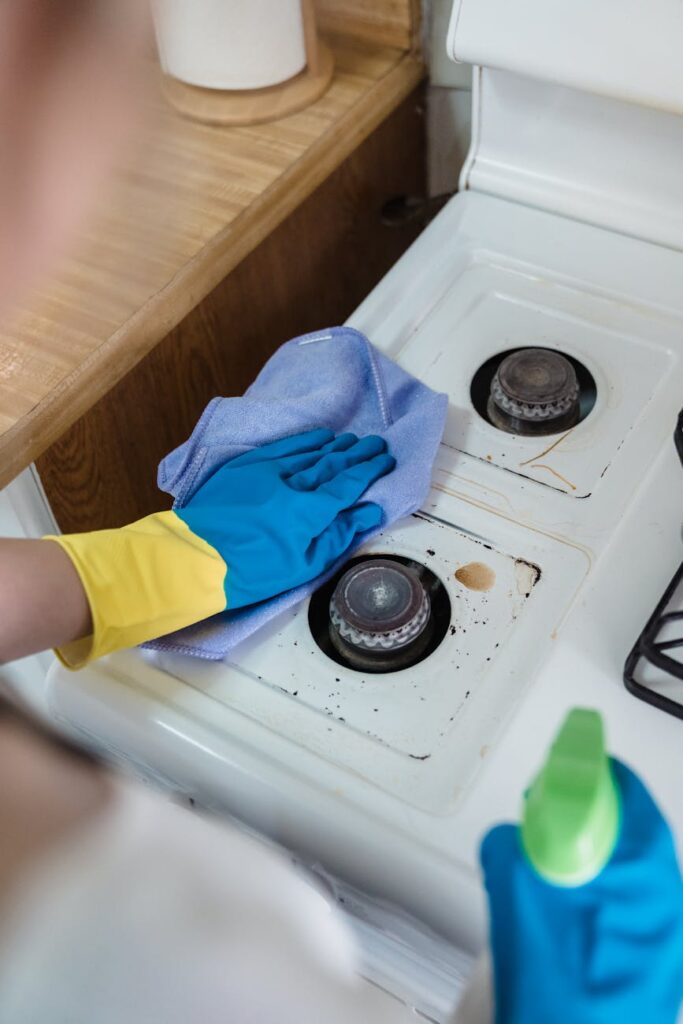
1. Wipe Down Surfaces: Use a degreasing cleaner to wipe down your stove top, countertops, and backsplash.
2. Clean the Exhaust Hood: Remove and wash any filters in your range hood to eliminate trapped odors.
3. Empty the Trash: Dispose of any food scraps or waste that may contribute to the smell.
Step 3: Tackle the Bathroom
1. Ventilate: Open windows and run an exhaust fan to improve air circulation.
2. Clean Surfaces: Use a multi-surface cleaner to wipe down all surfaces, including countertops, sinks, and mirrors.
3. Wash Textiles: Launder any towels, bath mats, or curtains that may have absorbed odors.
4. Deodorize: Use a mixture of baking soda and water to scrub surfaces, then rinse with clean water.
Step 4: Freshen the Air
1. Air Purifiers: Consider investing in an air purifier to help filter out lingering odors.
2. Essential Oils: Use a diffuser with essential oils like lemon or eucalyptus to mask unpleasant smells.
Best Cleaning Methods
To effectively combat stove top odors, consider these cleaning methods:
Common Mistakes to Avoid
When dealing with stove top odors, avoid these pitfalls:
1. Neglecting Regular Cleaning: Failing to clean the stove and kitchen regularly allows odors to build up.
2. Overusing Air Fresheners: Relying solely on air fresheners can mask odors instead of eliminating them.
3. Ignoring Ventilation: Not using exhaust fans or opening windows while cooking can aggravate the problem.
Prevention Tips
Preventing stove top odors from reaching your bathroom requires proactive measures:
1. Maintain Kitchen Cleanliness: Regularly clean your stove and kitchen surfaces to reduce odor buildup.
2. Improve Ventilation: Use exhaust fans while cooking and ensure they are functioning properly.
3. Seal Gaps: Check for any gaps in your home’s ventilation system that could allow odors to pass through.
Frequently Asked Questions
1. How often should I clean my stove to prevent odors?
It’s best to clean your stove after each use, especially if you cook frequently. A thorough weekly cleaning is also recommended.
2. Can humidity in the bathroom make odors worse?
Yes, humidity can trap odors. Using a dehumidifier or exhaust fan can help reduce moisture levels.
3. What are the best natural deodorizers?
Baking soda, vinegar, and activated charcoal are excellent natural options for neutralizing odors.
4. Should I use commercial air fresheners?
While they can mask odors temporarily, it’s better to focus on eliminating the source of the smell for long-term results.
5. Is it necessary to clean the exhaust hood?
Yes, grease and food particles can accumulate in the exhaust hood, contributing to odors. Clean it regularly.
6. Can cooking certain foods create more odor?
Yes, foods that are fried or have strong spices can produce more noticeable odors. Proper ventilation can help mitigate this.
By following these guidelines, you can effectively tackle stove top odors in your bathroom and create a fresher, more pleasant environment. Stay tuned for Part 2, where we’ll delve deeper into advanced cleaning techniques and odor prevention strategies.