
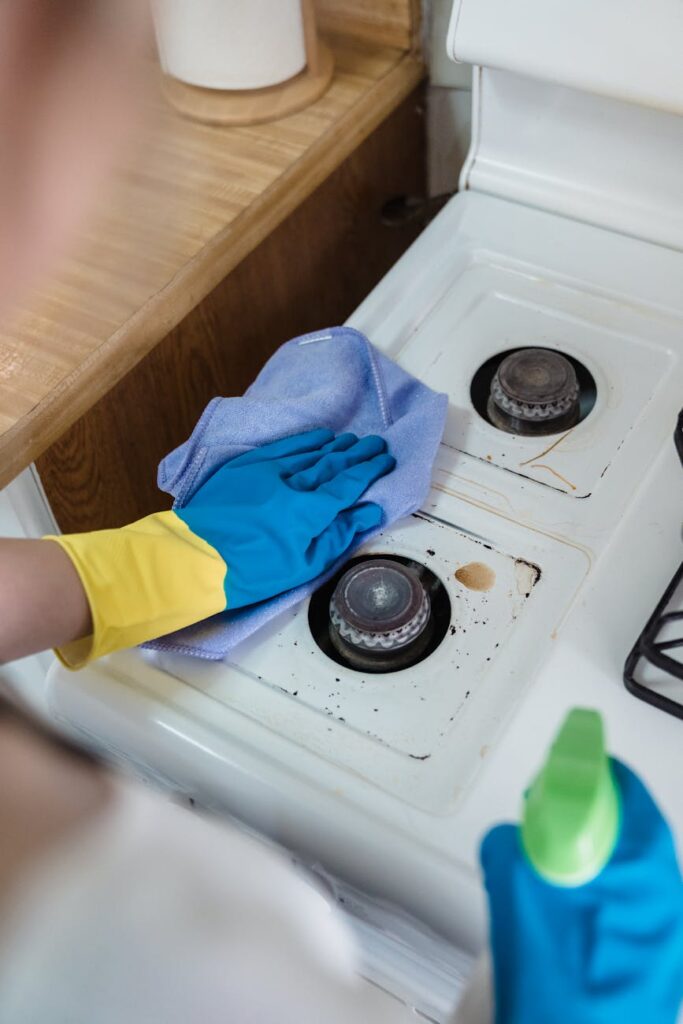
Stove Top Odor Appliances Guide Part 1
Introduction
Stove top odors can be a persistent problem in many kitchens. These smells often linger and can be caused by various factors, including cooking residue, burnt food, and even the materials of your appliances. In this guide, we’ll explore what causes these odors, how to effectively eliminate them, and the best practices for preventing them in the future.
What Causes Appliances?
Stove tops can harbor various odors due to multiple factors:
1. Food Residue: Spills and splatters from cooking can leave behind oils and food particles that emit odors over time.
2. Burnt Food: When food is overcooked or burnt, it releases strong, unpleasant smells that can cling to your stove top.
3. Material Composition: Some materials used in stove tops, such as certain metals or plastics, can absorb odors more than others.
4. Poor Ventilation: Lack of proper ventilation can cause odors to accumulate in your kitchen rather than dissipate.
Understanding these causes is the first step in tackling the problem effectively.
Why This Problem Happens
Stove top odors can develop for several reasons:
- Infrequent Cleaning: Regular cleaning helps remove food particles and grease. Without it, stale odors will build up.
- Cooking Habits: Frying or grilling can produce smoke and vapors that linger if not properly ventilated.
- Old Appliances: Aging appliances may also have increased odor retention due to wear and tear.
- Improper Use of Cleaning Products: Some cleaning agents can leave behind a residue that leads to more odors.
- Dish soap
- Baking soda
- White vinegar
- Spray bottle
- Soft cloths or sponges
- Scraper (plastic preferred)
- Ensure the stove is turned off and cool.
- Remove any pots, pans, or other items from the stove top.
- Use a damp cloth with dish soap to wipe down the stove top. This will remove surface grime and any food particles.
- Mix baking soda with a small amount of water to form a paste. This will act as a natural deodorizer.
- Spread the baking soda paste over areas with persistent odors. Let it sit for at least 15 minutes.
- Use your scraper to gently scrub away the paste, focusing on any areas with discoloration or residue.
- Fill a spray bottle with white vinegar and spray it over the cleaned areas. This will help neutralize odors and cut through any remaining grease.
- Use a clean, damp cloth to wipe away the baking soda and vinegar mixture.
- Ensure the stove top is completely dry to prevent moisture from causing more odors.
- Using Abrasive Cleaners: Harsh chemicals can damage your stove’s surface and may leave behind a residue.
- Neglecting Regular Maintenance: Skipping regular cleanings allows odors to build up.
- Ignoring Ventilation: Always use an exhaust fan or open windows while cooking to help dissipate odors immediately.
- Overlooking the Surrounding Areas: Don’t just clean the stove top; check the knobs, surrounding counters, and the inside of your oven for lingering smells.
By identifying why these odors occur, you can better address the issue.
How to Fix Appliances (Step-by-Step)
Cleaning your stove top and eliminating odors can be straightforward. Follow these steps:
Step 1: Gather Your Supplies
Step 2: Prepare the Area
Step 3: Initial Wipe Down
Step 4: Create a Baking Soda Paste
Step 5: Apply the Paste
Step 6: Scrub Gently
Step 7: Rinse with Vinegar
Step 8: Final Wipe Down
Step 9: Dry Thoroughly
Best Cleaning Methods
Here are some effective methods to keep odors at bay:
1. Baking Soda and Vinegar: This classic combination neutralizes odors and cuts through grease.
2. Lemon Juice: The natural acidity of lemon is great for tackling lingering smells. Wipe down with a mixture of lemon juice and water.
3. Essential Oils: Adding a few drops of essential oils like lemon or lavender to your cleaning solution can leave a pleasant scent behind.
4. Activated Charcoal: Place a bowl of activated charcoal near your stove to absorb odors naturally.
Mix and match these methods based on your preferences and the severity of the odors.
Common Mistakes to Avoid
When cleaning your stove top and dealing with odors, avoid these common pitfalls:
Prevention Tips
To keep your stove top smelling fresh, consider these prevention strategies:
1. Clean as You Go: Wipe down your stove top after each use to prevent odors from setting in.
2. Use a Splatter Guard: When frying or cooking foods that tend to splatter, use a splatter guard to minimize mess.
3. Ventilate While Cooking: Turn on the exhaust fan or open windows to reduce cooking odors while you prepare meals.
4. Store Cooking Supplies Properly: Keep spices and oils securely closed to prevent odors from escaping.
5. Regular Deep Cleaning: Set a regular schedule for deep cleaning your stove top to maintain freshness.
Frequently Asked Questions
1. How often should I clean my stove top?
Aim to clean your stove top after every use and perform a deep clean weekly.
2. Can I use bleach on my stove top?
Avoid using bleach as it can damage the surface and leave behind harmful fumes.
3. What type of cleaner should I avoid?
Stay away from abrasive cleaners and harsh chemicals that can scratch or damage your stove.
4. Will natural methods work as well as commercial cleaners?
Yes, natural methods like baking soda and vinegar can be very effective and are often gentler on your stove.
5. How can I remove burnt food odors?
Creating a paste of baking soda and water, applying it to the affected area, and scrubbing gently usually works well.
6. What should I do if odors persist after cleaning?
If odors continue, check for hidden spills or residues on knobs and surrounding areas, and ensure proper ventilation is in place.
By following these guidelines, you can effectively tackle stove top odors and maintain a clean, fresh kitchen environment. Stay tuned for Part 2, where we’ll delve deeper into advanced cleaning techniques and appliance care.