
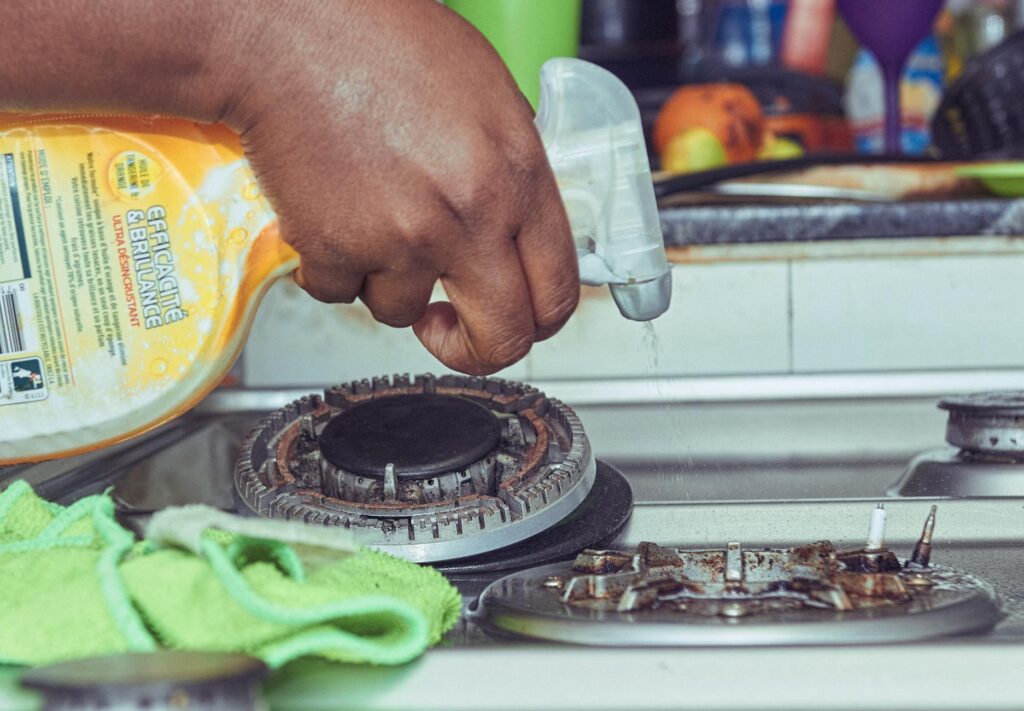
Stove Odor Removal Odours Guide Part 1
Introduction
Stove odors can linger long after you’ve finished cooking, turning a delightful meal into a persistent nuisance. Whether it’s burnt food, oil splatters, or lingering spices, these smells can permeate your kitchen and even drift into other areas of your home. This guide will walk you through the causes of stove odors, provide actionable steps for removal, and offer tips for prevention.
What Causes Odours?
Understanding the source of stove odors is the first step in effective removal. Here are some common culprits:
1. Burnt Food: Food that cooks too long can burn and release strong odors.
2. Spilled Grease: Oil splatters during cooking can become sticky and rancid over time.
3. Old Food Residue: Food particles left on the stove or in the oven can decompose and create unpleasant smells.
4. Smoke: Cooking methods that generate smoke, like frying, can leave behind strong odors.
5. Spices and Aromatics: While these add flavor, they can also leave strong lingering scents.
Why This Problem Happens
Stove odors occur due to a combination of factors:
- Poor Ventilation: Kitchens often lack adequate airflow, allowing odors to accumulate.
- Cooking Habits: Frequently cooking strong-smelling foods without proper cleaning can exacerbate the problem.
- Neglect: Failing to regularly clean the stove and surrounding areas allows residue to build up and emit odors.
- Baking soda
- Vinegar
- Dish soap
- Microfiber cloths
- Sponges
- A bucket of warm water
- Essential oils (optional)
- A spray bottle
- Use: Boil water with lemon slices to neutralize odors.
- Benefits: Provides a fresh scent and helps sanitize surfaces.
- Use: Place bowls of activated charcoal around the kitchen.
- Benefits: Absorbs odors effectively and is reusable.
- Use: Add a few drops of your favorite essential oil to a bowl of water and simmer on the stove.
- Benefits: Provides a pleasant aroma and masks unpleasant smells.
How to Fix Odours (Step-by-Step)
Removing stove odors requires a systematic approach. Follow these steps for effective results:
Step 1: Gather Your Supplies
Before you start, gather the following:
Step 2: Clean the Stove Surface
1. Remove Loose Debris: Start by wiping down the stove with a dry cloth to remove any food particles.
2. Mix Cleaning Solution: Combine a few drops of dish soap with warm water in a bucket.
3. Scrub the Surface: Dip a sponge into the solution and scrub the stove. Pay special attention to greasy areas.
4. Rinse and Dry: Wipe the stove with a clean, damp cloth to remove any soap residue, then dry with a microfiber cloth.
Step 3: Eliminate Odours with Baking Soda
1. Sprinkle Baking Soda: Generously sprinkle baking soda over the areas with persistent odors.
2. Let It Sit: Allow it to sit for at least 15-30 minutes. Baking soda absorbs odors effectively.
3. Wipe Away: Use a damp cloth to wipe off the baking soda.
Step 4: Use Vinegar for Tough Odors
1. Create a Vinegar Solution: Mix equal parts vinegar and water in a spray bottle.
2. Spray the Affected Areas: Lightly spray the stove and let it sit for 5-10 minutes.
3. Wipe Clean: Use a cloth to wipe away the vinegar solution. The smell of vinegar will dissipate, taking other odors with it.
Step 5: Ventilate the Area
1. Open Windows: Increase airflow by opening windows and doors.
2. Turn on the Exhaust Fan: If available, using the kitchen exhaust fan helps to draw out odors.
Best Cleaning Methods
Different methods can be more effective depending on the type of odor you’re dealing with. Here are some tried-and-true methods:
1. Lemon Water
2. Activated Charcoal
3. Essential Oils
Common Mistakes to Avoid
Avoid these pitfalls to ensure effective odor removal:
1. Ignoring Regular Cleaning: Failing to clean frequently can lead to permanent odors.
2. Using Harsh Chemicals: Strong cleaners can leave their own lingering smells.
3. Overlooking the Oven: Don’t forget to clean inside the oven as well, especially if it’s self-cleaning.
4. Not Ventilating: Always ensure proper airflow while cooking and cleaning.
Prevention Tips
Preventing stove odors is often easier than dealing with them later. Here are some practical tips:
1. Clean Spills Immediately: Wipe up any food or grease spills as soon as they occur.
2. Use a Lid: Cover pots and pans to minimize splatter.
3. Cook with Windows Open: If weather permits, open windows to allow fresh air in.
4. Regular Maintenance: Schedule regular deep-cleaning sessions for your stove and kitchen.
5. Use Odor Absorbers: Keep odor-absorbing materials like baking soda or activated charcoal handy.
Frequently Asked Questions
1. How often should I clean my stove?
Clean your stove after every use, and perform a deeper clean weekly or bi-weekly, depending on cooking frequency.
2. What if the odor persists after cleaning?
If odors persist, consider checking for hidden food residues inside the oven or underneath burners.
3. Can I use bleach to clean my stove?
Avoid using bleach on your stove, as it can leave harmful residues and strong odors. Stick to natural cleaners like vinegar and baking soda.
4. How can I remove burnt food odors?
Simmer a pot of water with lemon slices or vinegar on the stove to help neutralize burnt food odors.
5. What can I do for persistent grease odors?
Baking soda and vinegar are effective, but consider using activated charcoal or commercial odor absorbers for long-term solutions.
6. Are there any commercial products for odor removal?
Yes, there are many commercial cleaning products designed specifically for kitchen odors. Look for enzymatic cleaners that break down organic material.
By following these steps and tips, you can effectively tackle stove odors and maintain a fresh, welcoming kitchen environment. Stay tuned for Part 2, where we’ll delve deeper into specific techniques and solutions tailored for stubborn odors.