
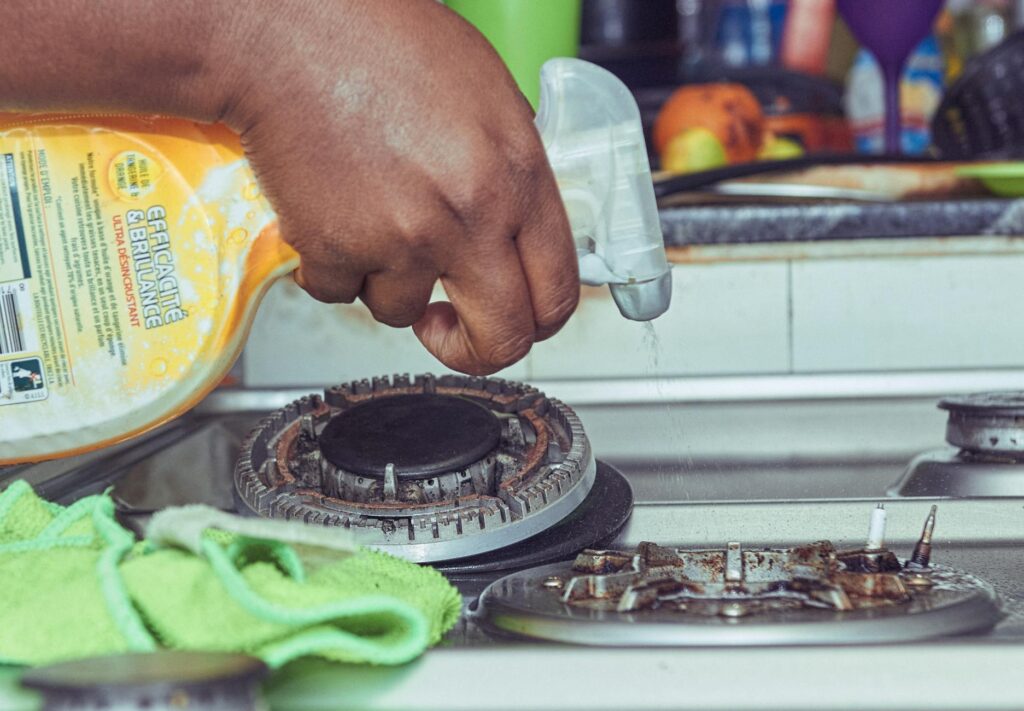
Stove Odor Removal Appliances Guide Part 1
Introduction
Stove odors can linger in your kitchen long after a meal is cooked, making it an uncomfortable space to be in. This guide will help you identify the sources of these odors, understand why they occur, and provide actionable steps to eliminate them using appliances effectively. By following this guide, you can enjoy a fresher cooking environment.
What Causes Appliances?
Stove odors can stem from various sources, primarily related to the cooking process. Here are some common culprits:
1. Burnt Food Residue: Spills and splatters that burn onto the stove surface can create an unpleasant smell.
2. Old Grease and Oil: Residual grease from previous meals can accumulate over time, leading to rancid odors.
3. Food Particles: Small food bits can get trapped in burners, grates, or in the oven, contributing to foul smells.
4. Gas Leaks: For gas stoves, a gas leak can lead to a distinct odor that requires immediate attention.
Understanding these causes will help you tackle the source effectively.
Why This Problem Happens
Stove odors often occur due to a combination of heat, food particles, and chemical reactions. When food burns, it releases compounds that create strong smells. Additionally, grease can become rancid if it’s not cleaned regularly, releasing unpleasant odors. Over time, neglecting to clean your stove can lead to a buildup of these elements, exacerbating the problem.
How to Fix Appliances (Step-by-Step)
Step 1: Gather Your Supplies
- Baking soda
- Vinegar
- Dish soap
- A sponge or cloth
- A toothbrush (for hard-to-reach areas)
- A vacuum cleaner with a brush attachment (optional)
Step 2: Turn Off and Cool Down
Ensure your stove is turned off and completely cool before starting the cleaning process to avoid burns.
Step 3: Remove Components
Take off the grates, burners, and any removable parts. These will need to be cleaned separately.
Step 4: Clean Removable Parts
1. Soak grates and burners in warm, soapy water for 15-30 minutes.
2. Use a sponge or a toothbrush to scrub away any stuck-on food or grease.
3. Rinse thoroughly and set aside to dry.
Step 5: Clean the Stove Surface
1. Sprinkle baking soda over the stove top.
2. Spray vinegar over the baking soda. This will create a fizzing reaction that helps lift grime.
3. After a few minutes, wipe down the surface with a sponge or cloth, paying special attention to any burnt areas.
Step 6: Check for Food Particles
Inspect and clean around the burners and inside the oven. Use a vacuum cleaner to remove any crumbs and particles.
Step 7: Reassemble
Once everything is clean and dry, reattach the grates and burners.
Step 8: Air It Out
Open windows or turn on exhaust fans to help disperse any remaining odors.
Best Cleaning Methods
1. Baking Soda and Vinegar
This classic combination is effective for breaking down stubborn stains and odors.
2. Dish Soap Solution
A simple solution of warm water and dish soap can help remove grease without harsh chemicals.
3. Steam Cleaning
For deeper cleaning, consider using a steam cleaner. This method can penetrate and dissolve grime without the use of chemicals.
4. Activated Charcoal
Place bowls of activated charcoal around the kitchen. It absorbs odors effectively and can help keep your space smelling fresh.
Common Mistakes to Avoid
1. Neglecting Regular Cleaning: Waiting too long between cleanings allows odors to build up.
2. Using Harsh Chemicals: Strong chemicals can cause more harm than good. Stick to natural solutions when possible.
3. Ignoring the Oven: The oven can also harbor odors. Don’t forget to clean it regularly.
4. Not Checking for Gas Leaks: If you smell gas, do not attempt to clean. Evacuate the area and call a professional.
Prevention Tips
1. Clean Immediately: Wipe up spills as soon as they happen to prevent odors from setting in.
2. Use the Exhaust Fan: Always use the exhaust fan while cooking to help remove odors and smoke.
3. Regular Maintenance: Schedule regular cleanings for your stove and surrounding areas to keep odors at bay.
4. Store Food Properly: Ensure that food is sealed and stored properly to avoid odors spreading from the kitchen.
Frequently Asked Questions
1. How often should I clean my stove?
It’s best to clean your stove after every use, especially if there are spills. A deeper clean should be done weekly or bi-weekly.
2. Can I use bleach to clean my stove?
Avoid using bleach, as it can produce harmful fumes and damage surfaces. Stick to natural cleaners.
3. What if the odors persist after cleaning?
If odors persist, check for hidden food particles or consider using an odor absorber like activated charcoal.
4. Is it safe to clean the oven while it’s on?
No, always ensure the oven is turned off and cool before cleaning to prevent burns or accidents.
5. How do I remove burnt-on food?
Soak the affected area with vinegar and baking soda, and use a scraper or toothbrush to gently lift the residue.
6. Are there any appliances that help remove odors?
Yes, air purifiers designed for kitchens can help remove stubborn odors and improve air quality.
By following this guide, you can effectively tackle stove odors and maintain a fresher cooking environment. Stay tuned for Part 2 where we’ll delve into specific odor removal techniques using various appliances.