
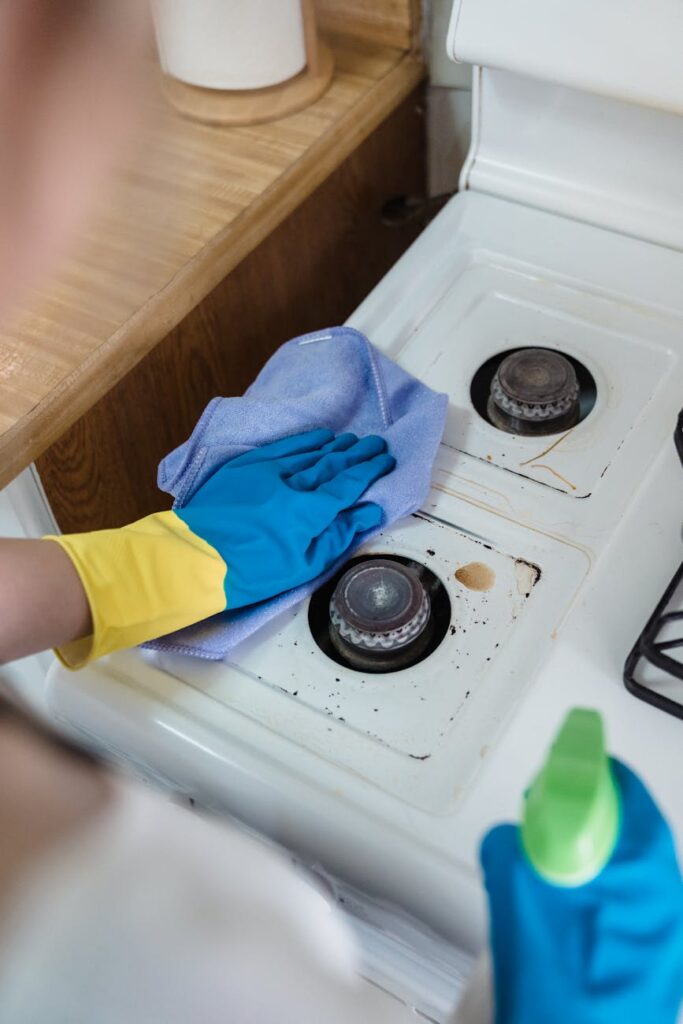
Stove Grease Stains Bathroom Guide Part 1
Introduction
Stove grease stains can be a persistent nuisance, especially when they find their way into the bathroom. Whether from splashes during cooking or transferred from hands to surfaces, grease can create unsightly marks that are tough to remove. This guide will provide you with practical solutions to tackle these stains effectively, ensuring your bathroom remains clean and fresh.
What Causes Bathroom Grease Stains?
Grease stains in the bathroom often originate from several sources:
1. Cooking Residue: When cooking in the kitchen, grease can splatter and travel through the air, settling onto surfaces in adjoining rooms, including the bathroom.
2. Hand Transfer: Grease can easily transfer from your hands to bathroom surfaces after cooking if you don’t wash your hands thoroughly.
3. Products: Some personal care products, such as lotions and oils, can also contribute to grease build-up over time.
By understanding these causes, you can be more mindful about prevention and cleaning.
Why This Problem Happens
The bathroom environment can exacerbate the visibility of grease stains. High humidity can cause grease to settle into surfaces, making it stickier and harder to clean. Additionally, many bathroom surfaces, such as tiles and grout, can trap residues, leading to a build-up over time.
How to Fix Bathroom Grease Stains (Step-by-Step)
Step 1: Gather Your Supplies
Before you start cleaning, gather the following items:
- Dish soap
- Baking soda
- White vinegar
- Spray bottle
- Soft cloth or sponge
- Scrub brush (for grout)
- Bucket of warm water
- Optional: Commercial degreaser
- For Surfaces: Dampen a cloth or sponge with your soap solution and apply it directly to the grease stain. Let it sit for a few minutes to break down the grease.
- For Grout: Apply the baking soda paste and let it sit for 10-15 minutes.
Step 2: Prepare a Cleaning Solution
Mix a solution using dish soap and warm water. For tougher stains, create a paste using baking soda and a small amount of water.
Step 3: Apply the Solution
Step 4: Scrub the Area
Use a soft cloth or sponge to scrub the stained area gently. For grout, use a scrub brush to work the paste into the lines effectively.
Step 5: Rinse Thoroughly
After scrubbing, rinse the area with warm water to remove the cleaning solution and any loosened grease.
Step 6: Repeat if Necessary
If the stain persists, repeat the process or consider using a commercial degreaser according to the product instructions.
Best Cleaning Methods
1. Dish Soap Solution
This is effective for everyday grease stains. Mix a few drops of dish soap in warm water and use it to wipe surfaces.
2. Baking Soda Paste
Baking soda is a mild abrasive and can cut through grease. Combine it with water to form a paste for scrubbing stubborn stains.
3. Vinegar Spray
White vinegar is a natural degreaser. Fill a spray bottle with equal parts vinegar and water, spray onto the stain, and wipe after a few minutes.
4. Commercial Degreasers
For heavy-duty cleaning, consider using a commercial degreaser. Always follow the manufacturer’s instructions and test on a small area first.
Common Mistakes to Avoid
1. Using Harsh Chemicals: Avoid abrasive cleaners that can damage bathroom surfaces. Stick to gentle solutions.
2. Not Allowing Solutions to Sit: For effective cleaning, allow your solutions to sit on stains for a few minutes.
3. Scrubbing Too Hard: Aggressive scrubbing can scratch surfaces. Use gentle pressure.
4. Neglecting Regular Maintenance: Ignoring grease stains can lead to build-up, making future cleaning more difficult.
Prevention Tips
1. Wash Hands Thoroughly: Always wash your hands after cooking to prevent grease transfer.
2. Ventilation: Use exhaust fans while cooking to minimize grease particles settling in other rooms.
3. Regular Cleaning: Establish a regular cleaning routine to prevent grease build-up.
4. Use Covers: When cooking, use splatter guards to minimize grease splashes.
5. Seal Grout: If your bathroom has grout, consider sealing it to make it less absorbent to stains.
Frequently Asked Questions
1. Can I use bleach to remove grease stains?
Using bleach is not recommended for grease stains as it may not be effective and could damage some surfaces.
2. How often should I clean grease stains in the bathroom?
Regular cleaning every couple of weeks or as needed can prevent grease build-up.
3. Is it safe to mix vinegar and baking soda?
Yes, mixing vinegar and baking soda creates a fizzy reaction that can help lift stains, but use them separately for best results.
4. What type of cloth is best for cleaning grease stains?
Use soft microfiber cloths or sponges that won’t scratch surfaces while effectively lifting dirt and grease.
5. Can I use lemon juice for cleaning?
Yes, lemon juice can help break down grease and leave a fresh scent. Mix it with water for an effective cleaning solution.
6. Are commercial degreasers safe for all surfaces?
Not all commercial degreasers are safe for every surface. Always read labels and perform a spot test before full application.
By following these guidelines, you can effectively tackle stove grease stains in your bathroom and keep your space looking its best. Stay tuned for Part 2, where we’ll delve deeper into advanced cleaning techniques and maintenance tips.