
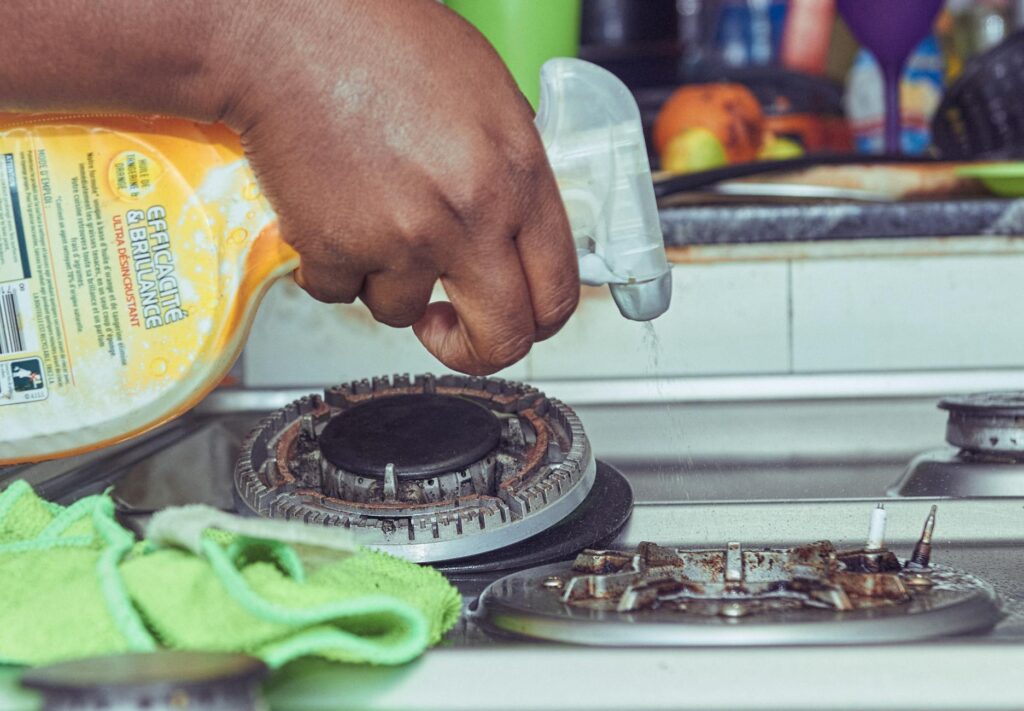
Stove Grease Removal Stains Guide Part 1
Introduction
Stove grease stains can be a homeowner’s nightmare. They accumulate over time, making your kitchen look dirty and unkempt. Fortunately, with the right techniques and products, you can effectively tackle these stubborn stains. This guide will provide you with practical solutions for removing grease stains from your stove.
What Causes Stains?
Stove grease stains are primarily caused by cooking activities. When you fry, sauté, or boil food, tiny droplets of grease and oil can splatter onto your stove’s surface. Over time, these droplets can harden and become difficult to remove. The type of food you cook, the temperature, and the duration of cooking all contribute to the severity of these stains.
Why This Problem Happens
Several factors contribute to grease stains forming on your stove:
1. High Temperatures: Cooking at high temperatures causes oils to break down, creating a sticky residue.
2. Food Type: Greasy foods, such as bacon or fried items, are more likely to leave behind stains.
3. Cooking Method: Methods like frying and sautéing produce more grease compared to boiling or steaming.
4. Lack of Maintenance: Regular cleaning prevents grease buildup. Neglecting this task leads to tougher stains.
Understanding these causes is essential for effective cleaning.
How to Fix Stains (Step-by-Step)
Removing grease stains can be straightforward if you follow these steps carefully:
Step 1: Gather Your Supplies
You will need:
- Dish soap
- Baking soda
- White vinegar
- A sponge or cloth
- A soft-bristled brush
- A spray bottle
- Paper towels or a clean cloth
- Materials: Use a non-abrasive cleaner or a mixture of baking soda and vinegar.
- Method: Always scrub in the direction of the grain to avoid scratches.
- Materials: Use a glass cleaner or a mixture of dish soap and water.
- Method: Avoid abrasive pads. Use a soft cloth to prevent scratching.
- Materials: Baking soda and a non-abrasive cleaner work best.
- Method: Apply the cleaner, let it sit, and then scrub gently.
Step 2: Initial Wipe Down
1. Turn Off the Stove: Ensure the stove is completely cool.
2. Wipe with a Damp Cloth: Use a damp cloth to remove any loose debris and grease.
Step 3: Apply Dish Soap
1. Mix Soap with Water: In a bowl, mix a few drops of dish soap with warm water.
2. Sponge Application: Soak your sponge in the soapy water and gently scrub the stained area.
3. Rinse and Dry: Wipe the area with a clean, damp cloth to remove soap residue, then dry with a paper towel.
Step 4: Baking Soda Paste
1. Make a Paste: Combine baking soda with a small amount of water to create a thick paste.
2. Apply the Paste: Spread the paste over the grease stains and let it sit for 10-15 minutes.
3. Scrub Gently: Use a soft-bristled brush or sponge to scrub the area.
4. Rinse Thoroughly: Wipe clean with a damp cloth, ensuring all baking soda is removed.
Step 5: Vinegar Spray
1. Prepare the Vinegar Solution: Fill a spray bottle with equal parts water and white vinegar.
2. Spray the Area: Lightly spray the stained area. The vinegar will help break down any remaining grease.
3. Wipe Clean: Use a cloth to wipe away the vinegar solution.
Step 6: Final Inspection
1. Check for Residue: Inspect the area for any remaining stains. Repeat steps 3-5 as necessary.
2. Dry the Surface: Use a clean cloth to dry the stove completely.
Best Cleaning Methods
Different surfaces may require specific cleaning methods. Here are the best approaches for common stove types:
Stainless Steel
Glass Top
Ceramic
Common Mistakes to Avoid
1. Using Abrasive Cleaners: They can scratch and damage your stove’s surface.
2. Neglecting Regular Cleaning: Failing to clean up spills promptly leads to tougher stains.
3. Using Excessive Water: Too much water can damage electrical components, especially in electric stoves.
4. Ignoring Manufacturer Instructions: Always follow specific cleaning instructions provided by the stove manufacturer.
5. Not Testing Cleaners: Before using a new cleaning product, test it on a small, inconspicuous area.
Prevention Tips
Preventing grease stains is often easier than removing them. Here are some strategies:
1. Use a Splatter Guard: This can significantly reduce the amount of grease that escapes during cooking.
2. Cook at Lower Temperatures: This helps minimize splattering.
3. Clean Regularly: Wipe down your stove after each use to prevent buildup.
4. Use Lids While Cooking: Keeping pots covered can help contain splatter.
5. Invest in Quality Cookware: Non-stick pans can help reduce the amount of grease released while cooking.
Frequently Asked Questions
1. How often should I clean my stove?
Ideally, you should wipe down your stove after every use and do a deep clean weekly.
2. Can I use bleach to remove grease stains?
No, bleach can damage your stove’s surface and is not effective for grease stains.
3. What if the stains are very old?
For older stains, you may need to repeat the cleaning steps several times or let cleaning products sit longer before scrubbing.
4. Are there any commercial products you recommend?
Look for non-abrasive cleaners specifically designed for your stove type, such as stainless steel cleaners or ceramic cleaners.
5. Can I use vinegar on all stove types?
Yes, vinegar is generally safe for most surfaces, but always check your manufacturer’s instructions.
6. What should I do if the stain won’t come off?
If standard methods don’t work, consider seeking professional cleaning services or consult the manufacturer for specialized advice.
By following this guide, you should be well-equipped to tackle grease stains on your stove effectively. Stay tuned for Part 2, where we’ll delve deeper into advanced cleaning techniques and maintenance tips!