
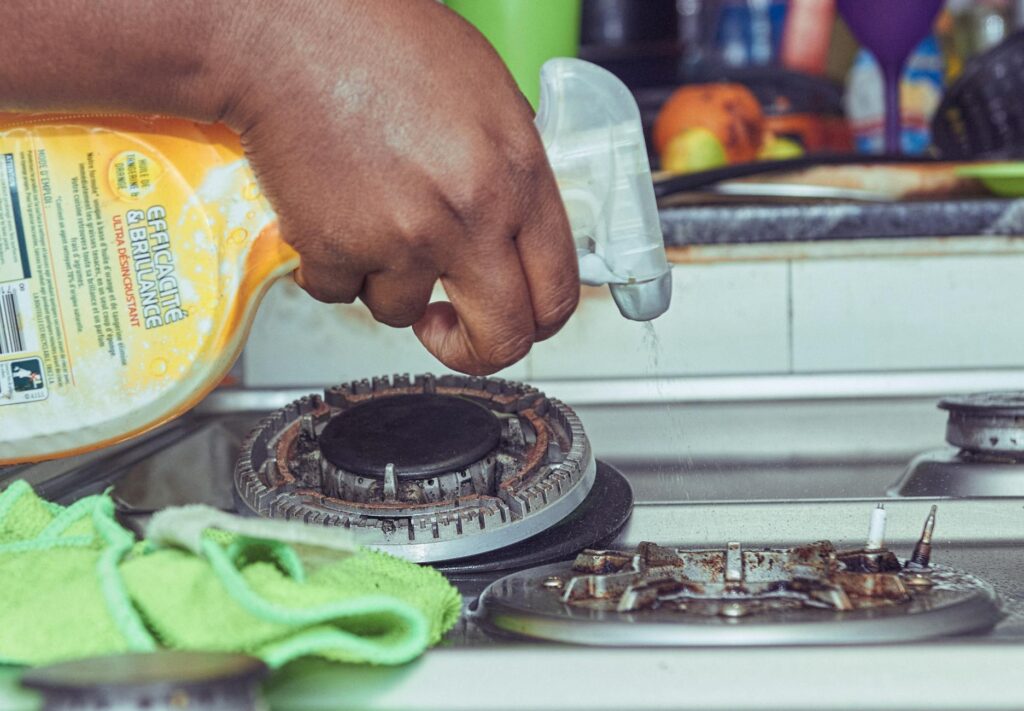
Stove Grease Removal Laundry Guide Part 1
Introduction
Stove grease can easily find its way onto your clothes, leaving stubborn stains that can be difficult to remove. Whether it’s from cooking splatters or accidental spills, grease marks can ruin your favorite garments. In this guide, we’ll dive into the causes of grease stains, effective removal techniques, and tips to prevent them from happening in the first place.
What Causes Laundry?
Grease stains on clothing often originate from cooking oils, fats, and food residues. These substances can cling to fabric fibers, making them challenging to eliminate. Common scenarios that lead to grease stains include:
- Cooking splatters while frying or sautéing.
- Accidental spills from greasy takeout containers.
- Contact with greasy kitchen utensils or surfaces.
- Dish soap
- Baking soda
- Commercial stain removers designed for grease
Understanding what causes these stains is the first step in addressing them effectively.
Why This Problem Happens
Grease stains are particularly troublesome because of their oily nature. Unlike water-based stains, grease doesn’t dissolve easily in water. Instead, it penetrates deep into the fabric fibers, making it more likely to set if not treated promptly. Additionally, the heat from a dryer can further set the stain, leading to a longer and more arduous cleaning process.
How to Fix Laundry (Step-by-Step)
Step 1: Act Quickly
The sooner you treat a grease stain, the better your chances of complete removal. As soon as you notice a stain, follow these steps:
Step 2: Blot the Stain
1. Use a Paper Towel: Gently blot the stain with a paper towel to absorb excess grease. Avoid rubbing, as this can spread the stain.
Step 3: Apply a Grease Remover
1. Choose Your Cleaner: Select a stain remover that is effective against grease. Options include:
2. Apply the Cleaner: Place a small amount directly on the stain. If using dish soap, mix it with a bit of warm water for better penetration.
Step 4: Let It Sit
1. Set a Timer: Allow the cleaner to sit on the stain for at least 10-15 minutes. This will help break down the grease.
Step 5: Rinse
1. Use Cold Water: Rinse the area with cold water to remove the cleaner and loosened grease.
Step 6: Wash
1. Use Hot Water: Wash the garment in the hottest water safe for the fabric. Check the care label for guidance.
Step 7: Check Before Drying
1. Inspect the Stain: After washing, check if the stain is gone before placing the garment in the dryer. If it remains, repeat the previous steps.
Best Cleaning Methods
Dish Soap
Dish soap is a powerful grease-cutting agent. Apply a small amount directly to the stain, gently rub, and rinse.
Baking Soda Paste
Mix baking soda with a little water to form a paste. Apply it to the stain, let it dry, then brush off.
Commercial Stain Removers
Many products are specifically designed for grease stains. Follow the instructions on the label for best results.
Common Mistakes to Avoid
1. Ignoring the Stain: Letting a grease stain sit can make it almost impossible to remove.
2. Using Hot Water Too Soon: Hot water can set grease stains. Always rinse with cold water first.
3. Overloading the Washer: Too many items in the washer can prevent proper cleaning. Wash greasy items separately.
4. Using Fabric Softener: Avoid fabric softeners on greasy stains, as they can make it harder to clean.
Prevention Tips
1. Wear an Apron: Protect your clothes while cooking by wearing an apron.
2. Be Mindful of Cooking Techniques: Consider using methods that reduce splatter, such as baking or steaming.
3. Keep Cleaning Supplies Handy: Having grease stain removers readily available in the kitchen can help you act quickly.
4. Wash Clothes Regularly: Don’t wait too long to wash clothes that may have come into contact with grease.
Frequently Asked Questions
1. Can I use vinegar to remove grease stains?
Yes, vinegar can help break down grease. Mix equal parts vinegar and water, apply to the stain, let it sit for a few minutes, then rinse.
2. What type of fabric is hardest to clean?
Synthetic fabrics like polyester can be more challenging to clean than natural fibers like cotton, as they tend to hold onto stains.
3. Is it safe to use bleach on grease stains?
Bleach can help with stains but can also damage fabrics. Always check the care label and do a patch test first.
4. How can I get rid of a grease stain on a delicate fabric?
For delicate fabrics, use a specialized stain remover or a gentle detergent. Always perform a spot test first.
5. Should I dry the garment after cleaning a grease stain?
No, avoid drying until you’re sure the stain is completely gone. Heat can set the stain permanently.
6. Can repeated washing weaken the fabric?
Yes, repeated washing can weaken fabric fibers. It’s best to treat stains promptly and effectively to minimize washing.
By following this guide, you can tackle stove grease stains effectively, keeping your laundry looking fresh and clean. Stay tuned for Part 2, where we’ll explore additional tips and tricks for maintaining your laundry and preventing grease stains in the future.