
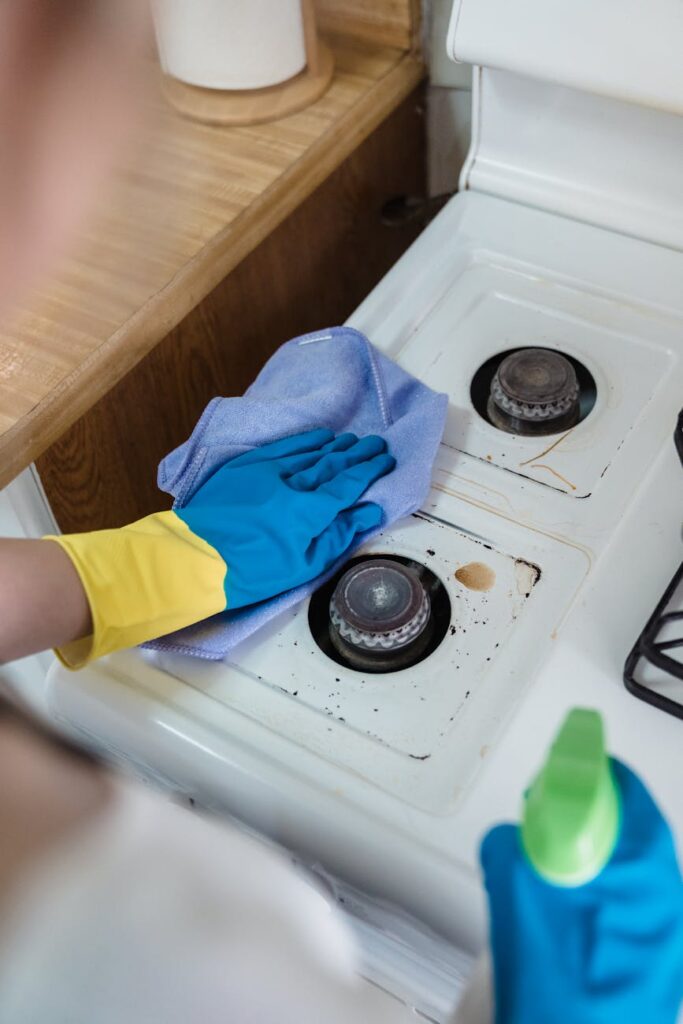
Stove Grease Buildup Stains Guide Part 1
Introduction
Stove grease buildup is a common problem in many homes. Over time, cooking can lead to unsightly stains on your stovetop, which can be frustrating and embarrassing. This guide will provide you with practical solutions to combat these stains effectively. Whether you have a gas, electric, or induction stove, the following sections will help you tackle grease buildup like a pro.
What Causes Stains?
Stains on your stove primarily come from cooking oils, food splatter, and steam. When you cook, oil particles can be released into the air, settling on surfaces and mixing with other residues, creating a sticky film. High heat can also cause these oils to bond with the stove surface, making them more challenging to remove.
Common Sources of Grease:
- Cooking oils and fats
- Food spills, especially during frying
- Sauces and marinades
- Dish soap
- Baking soda
- White vinegar
- Spray bottle
- Soft cloths or sponges
- Scrubbing pad (non-abrasive)
- A plastic scraper (if necessary)
- For Light Stains: Soak a cloth in the soapy water and lay it over the stained area for a few minutes. This will help to loosen the grease.
- For Heavy Stains: Apply the baking soda paste directly onto the stain and let it sit for 15-20 minutes.
Why This Problem Happens
Stove grease buildup happens due to a combination of factors:
1. Cooking Techniques: Frying or sautéing produces more grease than boiling or steaming.
2. Heat: High temperatures can cause oils to smoke and bind to surfaces.
3. Infrequent Cleaning: Neglecting regular maintenance allows grease to accumulate.
4. Type of Stove: Certain stove materials are more prone to staining than others, such as porous surfaces.
Understanding these causes can help you take preventive measures and develop a cleaning routine that minimizes grease buildup.
How to Fix Stains (Step-by-Step)
Step 1: Gather Your Supplies
Before starting, collect the necessary cleaning supplies:
Step 2: Initial Wipe Down
Use a damp cloth to wipe down the stovetop. This will remove loose debris and make the cleaning process easier.
Step 3: Create a Cleaning Solution
Mix a solution of warm water and a few drops of dish soap in a bowl. For tougher stains, you can create a paste using baking soda and water.
Step 4: Apply the Cleaner
Step 5: Scrub the Area
Using a non-abrasive scrubbing pad, gently scrub the stained area in circular motions. Avoid using steel wool or harsh scrubbers, as they can scratch the surface.
Step 6: Rinse and Dry
Wipe the area with a clean, damp cloth to remove any residue from the cleaner. Follow up with a dry cloth to ensure no moisture remains, which can lead to further buildup.
Step 7: Repeat if Necessary
For stubborn stains, you may need to repeat the cleaning process a couple of times until the stain is gone.
Best Cleaning Methods
Method 1: Baking Soda and Vinegar
This classic combination is effective for tough grease stains. Sprinkle baking soda on the stained area, then spray white vinegar over it. Let it fizz and sit for a few minutes before scrubbing and rinsing.
Method 2: Commercial Degreasers
If home remedies aren’t cutting it, consider using a commercial degreaser specifically designed for kitchen use. Follow the manufacturer’s instructions for optimal results.
Method 3: Lemon Juice
The acidity in lemon juice can help break down grease. Apply lemon juice directly to stains, let it sit for a few minutes, and then scrub away.
Common Mistakes to Avoid
1. Using Abrasive Cleaners: Steel wool and harsh chemicals can scratch your stovetop. Stick to non-abrasive methods.
2. Not Rinsing Properly: Residue from cleaning products can attract more dirt and grease. Always rinse thoroughly.
3. Ignoring Regular Maintenance: Failing to clean regularly allows stains to set in, making them harder to remove later.
4. Using High Heat While Cleaning: Cleaning a hot stove can cause cleaners to evaporate too quickly, reducing their effectiveness.
Prevention Tips
1. Clean as You Go: Wipe down spills immediately after cooking to prevent buildup.
2. Use a Splatter Guard: Invest in a splatter guard to minimize grease from frying.
3. Cook with Lids: Cover pots and pans when cooking to reduce splatter.
4. Regular Maintenance: Schedule weekly cleanings to keep your stove in good shape.
Frequently Asked Questions
1. How often should I clean my stove?
Aim for a light cleaning after every cooking session and a deep clean weekly.
2. Can I use bleach to clean grease stains?
No, bleach can damage stovetop surfaces. Stick to gentle cleaners.
3. Is it safe to use a razor blade on my stovetop?
A plastic scraper is safer. If using a razor, be extremely careful to avoid scratches.
4. What if the stains won’t come out?
Try a commercial degreaser or consult the stove’s manual for specific cleaning recommendations.
5. Can I prevent grease buildup entirely?
While you can minimize it, some buildup is inevitable. Regular cleaning is essential.
6. Are there specific products I should avoid?
Avoid any cleaners containing ammonia or harsh solvents, as they can damage your stovetop.
By following these guidelines, you can effectively manage stove grease buildup and keep your cooking area looking its best. Stay tuned for Part 2, where we will delve deeper into advanced cleaning techniques and solutions!