
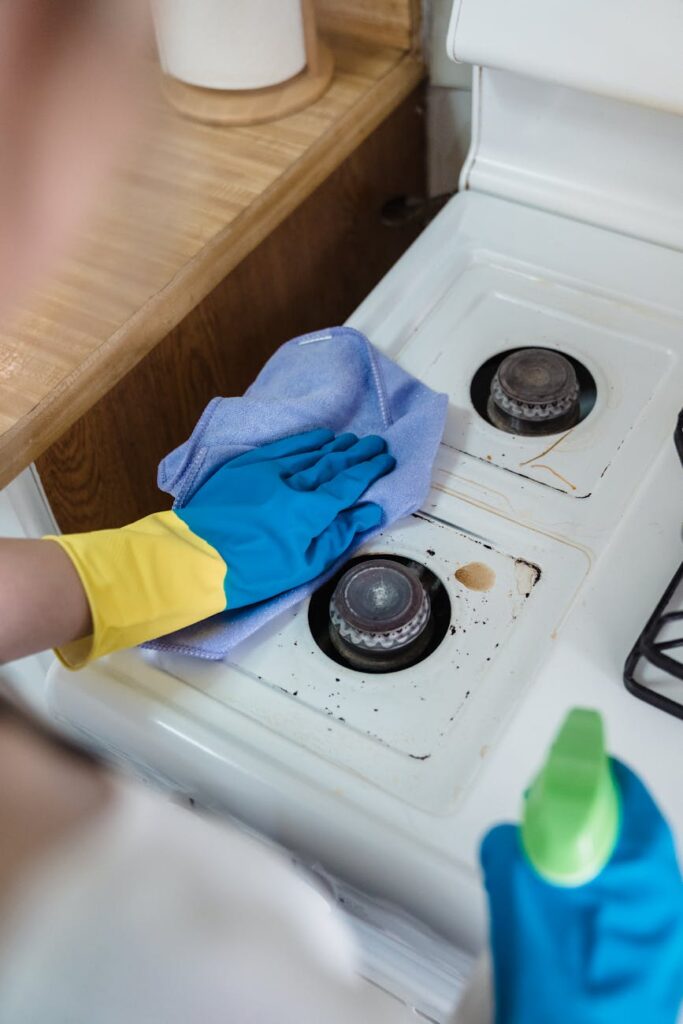
Stove Grease Buildup Kitchen Guide Part 1
Introduction
Stove grease buildup is a common issue in kitchens, often overlooked until it becomes a stubborn mess. Not only does this buildup look unsightly, but it can also pose a fire hazard and affect the performance of your stovetop. This guide aims to provide you with practical, actionable steps to tackle stove grease effectively and maintain a cleaner kitchen environment.
What Causes Kitchen Grease Buildup?
Grease buildup occurs primarily due to cooking activities. When food is prepared, especially when frying or sautéing, tiny grease particles are released into the air and settle on surfaces. Factors that contribute to grease accumulation include:
- High-Temperature Cooking: Foods cooked at high temperatures produce more grease particles.
- Infrequent Cleaning: Neglecting regular cleaning allows grease to harden and accumulate over time.
- Type of Cooking: Frying and sautéing create more grease than boiling or steaming.
- Lack of Ventilation: Poor kitchen ventilation traps grease particles in the air, leading to more accumulation.
- Use of Non-Stick Cookware: While convenient, non-stick cookware can sometimes lead to excess grease being released.
- Cooking Frequency: Regular cooking without adequate cleaning will naturally lead to increased grease buildup.
- Degreaser or dish soap
- Baking soda
- White vinegar
- Microfiber cloths
- Scrub brush or sponge
- Spray bottle
- Warm water
- Baking Soda and Vinegar: This combination is excellent for cutting through tough grease.
- Lemon Juice: The acidity in lemon juice can help dissolve grease and leave a fresh scent.
- Degreasers: Look for eco-friendly options that effectively cut through grease without harsh chemicals.
- Multi-Surface Cleaners: These can be useful for cleaning other kitchen surfaces while tackling grease.
Why This Problem Happens
Understanding the mechanics of grease buildup is essential in tackling it effectively. When you cook, oil and fats are released into the air. These particles mix with moisture and dust, creating a sticky residue. Over time, this residue can harden, making it more difficult to remove. Factors that exacerbate the problem include:
How to Fix Kitchen Grease Buildup (Step-by-Step)
Step 1: Gather Your Supplies
Before you start cleaning, ensure you have the following supplies:
Step 2: Prepare the Area
Clear the stovetop of any pots, pans, or utensils. Ensure the area is safe to clean and that the stove is turned off and cool to the touch.
Step 3: Apply the Degreaser
Spray a generous amount of degreaser or a mixture of warm water and dish soap directly onto the greasy areas. Allow it to sit for 5-10 minutes to break down the grease.
Step 4: Scrub the Surface
Using a scrub brush or sponge, gently scrub the stovetop in circular motions. Pay special attention to stubborn spots. For tough stains, sprinkle baking soda on the area and scrub again.
Step 5: Wipe Down with Vinegar
After scrubbing, spray white vinegar onto the stovetop. The vinegar will react with the baking soda, helping to lift any remaining grease. Wipe down the surface with a clean microfiber cloth.
Step 6: Rinse and Dry
Use a damp cloth to rinse off any cleaning solution. Dry the stovetop with a separate cloth to prevent streaks and water spots.
Step 7: Clean Surrounding Areas
Don’t forget about the knobs, back panel, and any surrounding areas. Repeat the cleaning process on these surfaces to ensure a thorough clean.
Best Cleaning Methods
Natural Solutions
Commercial Products
Common Mistakes to Avoid
Not Letting Cleaners Sit
Many homeowners rinse off cleaners too quickly. Allowing them to sit for a few minutes can significantly enhance their effectiveness.
Using Steel Wool
While it may seem effective, steel wool can scratch surfaces, especially on stainless steel. Stick to softer scrubbers.
Ignoring Regular Maintenance
Cleaning grease only when it becomes visible can lead to tougher scrubbing later. Aim to clean your stovetop every week or after heavy cooking sessions.
Prevention Tips
1. Ventilate While Cooking: Use your kitchen exhaust fan or open windows to help disperse grease particles.
2. Cover Pots and Pans: When frying, use lids to reduce the amount of grease that escapes into the air.
3. Use Splatter Screens: These can help capture grease while cooking without compromising heat distribution.
4. Regular Cleaning: Make it a habit to wipe down the stovetop after each use to prevent buildup.
Frequently Asked Questions
1. How often should I clean my stovetop?
Aim to clean your stovetop after every use, especially if you’ve been frying or cooking with oil. A deeper clean should be done weekly.
2. Can I use vinegar on all stove types?
Vinegar is safe for most surfaces, but avoid using it on natural stone or porous surfaces as it can damage them.
3. What’s the best way to remove burnt-on grease?
Soak the area with a degreaser or a baking soda paste for several minutes before scrubbing.
4. Are commercial degreasers safe for my kitchen?
Most commercial degreasers are safe when used as directed, but always check the label for any specific precautions.
5. Can I use a pressure washer to clean my stove?
No, pressure washers can damage the surface of your stove and should not be used indoors.
6. What’s the best way to clean grease from my stovetop knobs?
Remove the knobs if possible, soak them in warm soapy water, scrub gently, and rinse before reattaching.
By following this comprehensive guide, you can effectively tackle stove grease buildup and maintain a cleaner, safer kitchen environment. Stay tuned for Part 2, where we’ll dive deeper into advanced cleaning techniques and maintenance tips!