
Stainless Steel Stains Mould & Damp Guide Part 1
Introduction
Mould and damp can be a persistent problem, especially in areas with stainless steel surfaces. While stainless steel is known for its durability and resistance to rust, it is not immune to stains caused by moisture and mould growth. This guide will help you understand the causes of mould and damp, how to effectively clean and prevent it, and common mistakes to avoid.
What Causes Mould & Damp?
Mould thrives in environments that are moist, warm, and poorly ventilated. Here are some common causes:
1. Humidity: High humidity levels can lead to condensation on stainless steel surfaces, creating the perfect breeding ground for mould.
2. Leaks: Water leaks from pipes or appliances can create damp spots, encouraging mould growth.
3. Poor Ventilation: Areas like kitchens and bathrooms often lack proper ventilation, trapping moisture.
4. Condensation: When warm air meets cold surfaces, condensation forms, leading to moisture accumulation.
5. Dirty Surfaces: Organic matter like food particles or grease can provide a food source for mould spores.
Why This Problem Happens
Understanding why mould and damp occur is crucial for effective prevention:
- Environmental Factors: High humidity and temperature contribute significantly to mould growth.
- Material Properties: Stainless steel can attract moisture, especially if it’s not cleaned regularly.
- Location: Areas like under sinks, behind appliances, or in bathrooms are more susceptible to dampness.
- Neglected Maintenance: Regular cleaning and inspection are often overlooked, allowing mould to take hold.
- White vinegar
- Baking soda
- Soft cloths or microfiber towels
- Spray bottle
- Scrub brush or sponge
- Rubber gloves
- Bucket
- Using Abrasive Cleaners: Scrubbing with harsh chemicals or scouring pads can scratch the surface.
- Ignoring the Source: Cleaning without addressing the root cause (like leaks or poor ventilation) will lead to recurring mould.
- Not Wearing Protective Gear: Always wear gloves when handling cleaning solutions to protect your skin.
- Skipping Drying: Leaving surfaces damp after cleaning can promote mould regrowth.
How to Fix Mould & Damp (Step-by-Step)
If you notice mould or damp on your stainless steel surfaces, follow these steps to clean and restore them:
Step 1: Gather Your Supplies
Step 2: Prepare the Cleaning Solution
1. Vinegar Solution: Fill a spray bottle with equal parts white vinegar and water. This natural solution helps kill mould spores.
2. Baking Soda Paste: Mix baking soda with a small amount of water to form a paste.
Step 3: Apply the Cleaning Solution
1. Spray the vinegar solution directly onto the affected area.
2. Allow it to sit for 10-15 minutes to penetrate the mould.
Step 4: Scrub the Area
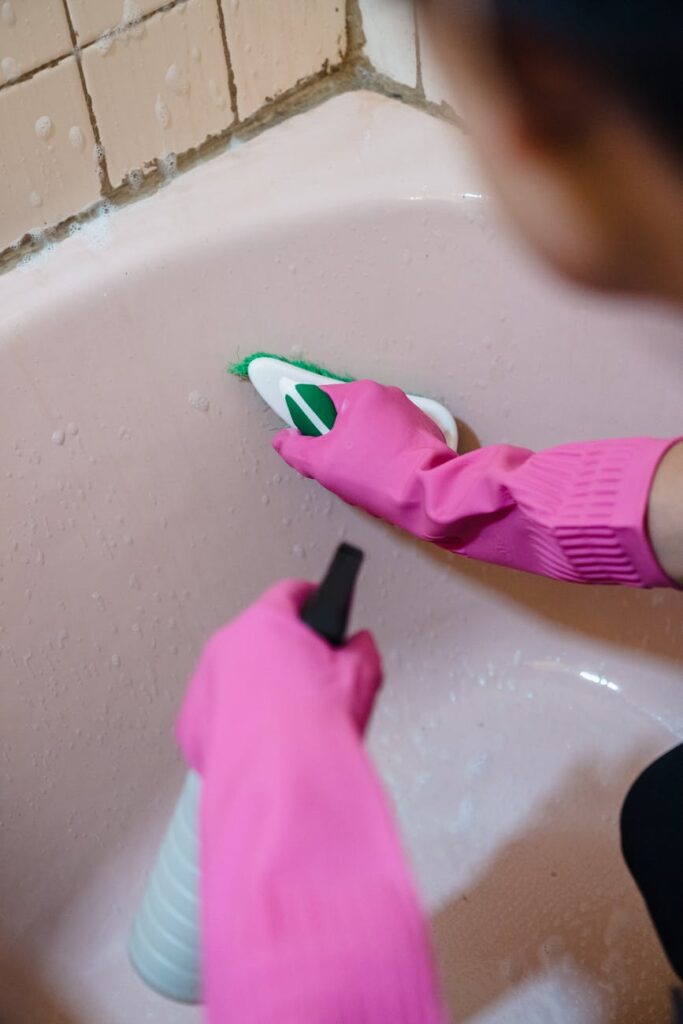
1. Use a scrub brush or sponge to gently scrub the area. Be careful not to scratch the stainless steel surface.
2. For stubborn stains, apply the baking soda paste and let it sit for another 10 minutes before scrubbing.
Step 5: Rinse and Dry
1. Rinse the area with clean water to remove any residue.
2. Wipe the stainless steel surface dry with a soft cloth to prevent new moisture from forming.
Best Cleaning Methods
While vinegar and baking soda are effective, here are additional methods for tackling mould and damp on stainless steel:
1. Hydrogen Peroxide: This is a strong disinfectant. Apply it similarly to vinegar for tougher mould stains.
2. Commercial Stainless Steel Cleaners: Look for products specifically designed to tackle mould while being safe for stainless steel surfaces.
3. Steam Cleaning: Using a steam cleaner can kill mould spores without the use of chemicals.
Common Mistakes to Avoid
When dealing with mould and damp on stainless steel, avoid these common pitfalls:
Prevention Tips
Preventing mould and damp on stainless steel surfaces is easier than cleaning it. Here are some effective strategies:
1. Maintain Low Humidity: Use dehumidifiers in areas prone to dampness.
2. Improve Ventilation: Ensure proper airflow in kitchens and bathrooms by using exhaust fans.
3. Regular Cleaning: Clean stainless steel surfaces regularly to remove potential food sources for mould.
4. Seal Leaks Promptly: Address any leaks in plumbing or appliances as soon as they are noticed.
5. Keep Surfaces Dry: Wipe down surfaces after use to minimize moisture accumulation.
Frequently Asked Questions
1. How often should I clean mould off stainless steel?
It’s recommended to clean stainless steel surfaces every few weeks, especially in high-moisture areas.
2. Can I use bleach on stainless steel?
Bleach can damage stainless steel and should be avoided. Use vinegar or baking soda instead.
3. Is mould on stainless steel harmful?
While mould itself is not usually harmful on stainless steel, it can lead to health issues if inhaled frequently.
4. What is the best way to prevent mould?
Keeping humidity low and ensuring proper ventilation are the most effective prevention strategies.
5. Can I use vinegar on stainless steel?
Yes, vinegar is safe for stainless steel and effective against mould and stains.
6. How can I tell if I have a mould problem?
Look for discolored patches, a musty smell, or visible growth on surfaces. If you notice these signs, take action immediately.
By following this guide, homeowners can effectively tackle mould and damp on stainless steel surfaces, ensuring a clean and healthy living environment. Stay tuned for Part 2, where we will delve deeper into advanced cleaning techniques and further prevention strategies.