
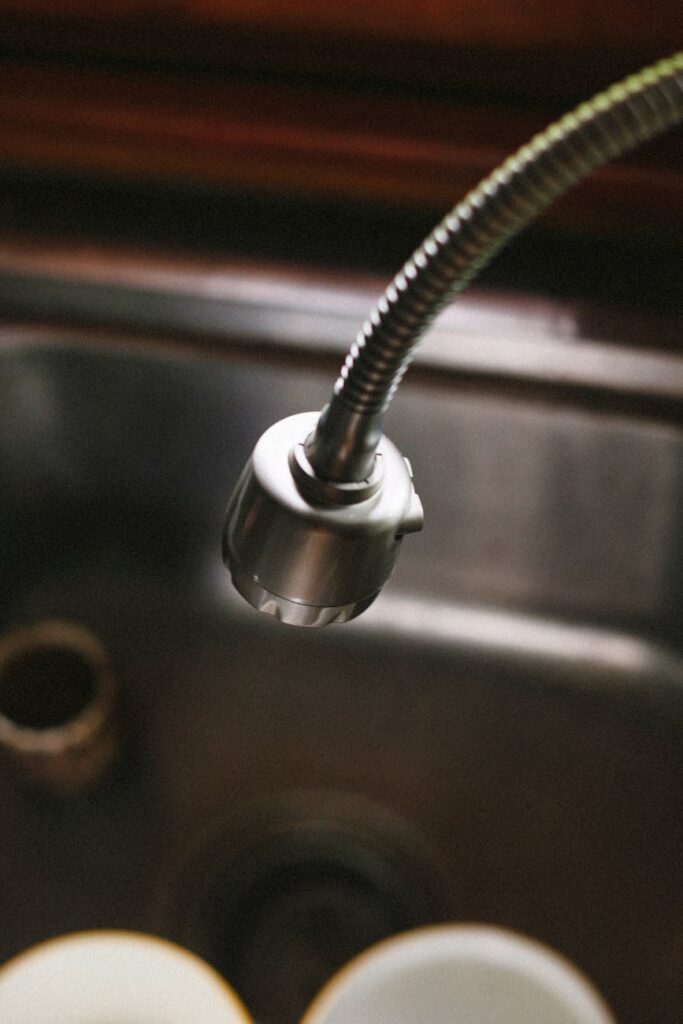
Stainless Steel Odor Bathroom Guide Part 1
Introduction
Stainless steel fixtures in the bathroom add a modern touch, but they can sometimes harbor unpleasant odors. Whether it’s from drains, faucets, or showerheads, identifying the source and effectively eliminating these odors is essential for maintaining a fresh and clean bathroom environment. This guide will help you understand what causes these odors, why they occur, and how to tackle them effectively.
What Causes Bathroom Odor?
Several factors contribute to stainless steel odors in the bathroom:
1. Bacteria Build-Up: Moisture encourages bacteria growth on stainless steel surfaces and in drains.
2. Soap Scum: Residue from soaps and shampoos can cling to surfaces, creating a breeding ground for odors.
3. Hard Water Deposits: Mineral build-up from hard water can trap odors and make cleaning less effective.
4. Mildew and Mold: Excess humidity can lead to mildew, especially in poorly ventilated bathrooms.
5. Drain Issues: Blocked or dirty drains can emit foul smells, which may cling to nearby stainless steel fixtures.
Why This Problem Happens
Understanding the underlying causes of odors is crucial. Bathrooms are typically high-moisture environments, which fosters the growth of bacteria and mold. Additionally, the presence of hair, skin cells, and other organic materials can contribute to unpleasant smells. If your bathroom lacks proper ventilation, humidity levels can rise, exacerbating the problem.
How to Fix Bathroom Odor (Step-by-Step)
Step 1: Identify the Source
Before you start cleaning, pinpoint where the odor is coming from. Check:
- Drains
- Faucets
- Showerheads
- Surrounding surfaces
- Mild dish soap
- White vinegar
- Baking soda
- Microfiber cloths
- Soft sponge
- Spray bottle
Step 2: Clean Stainless Steel Fixtures
1. Gather Supplies: You’ll need:
2. Prepare Solution: Mix equal parts of water and white vinegar in a spray bottle.
3. Spray and Wipe: Spray the stainless steel fixtures and wipe them down with a microfiber cloth. This will remove surface grime and neutralize odors.
Step 3: Clean Drains
1. Pour Baking Soda: Start by pouring about 1 cup of baking soda down the drain.
2. Add Vinegar: Follow with 1 cup of vinegar. Allow the mixture to fizz for about 30 minutes.
3. Flush with Hot Water: After 30 minutes, flush the drain with hot water to remove debris and odors.
Step 4: Deep Clean Hard-to-Reach Areas
Use a soft sponge or toothbrush to clean crevices around faucets and showerheads. Make sure to scrub any areas where soap scum or mineral build-up may accumulate.
Step 5: Rinse and Dry
After cleaning, rinse all surfaces with water and dry them thoroughly with a clean cloth. This step is essential to prevent further moisture build-up.
Best Cleaning Methods
1. Vinegar and Baking Soda: This combination is effective for breaking down odors and cleaning surfaces.
2. Commercial Stainless Steel Cleaner: For stubborn stains and odors, consider using a dedicated stainless steel cleaner. Always follow the manufacturer’s instructions.
3. Essential Oils: Adding a few drops of essential oils, such as tea tree or lavender, to your cleaning solution can help mask odors and provide a pleasant scent.
4. Hydrogen Peroxide: For tough mold and mildew, use a diluted hydrogen peroxide solution. Spray on affected areas, let sit for 10 minutes, then rinse.
Common Mistakes to Avoid
1. Using Abrasive Cleaners: Avoid steel wool or harsh chemicals that can scratch the surface of stainless steel.
2. Neglecting Regular Cleaning: Don’t wait for odors to become overwhelming. Regular maintenance prevents build-up.
3. Ignoring Ventilation: Failing to ventilate your bathroom can exacerbate moisture problems.
4. Not Rinsing Properly: Always rinse surfaces after cleaning to remove residues that can attract dirt and odors.
5. Overlooking Hard Water: If you live in an area with hard water, implement regular descaling to prevent mineral build-up.
Prevention Tips
1. Improve Ventilation: Install an exhaust fan or open windows after showers to reduce humidity.
2. Regular Cleaning: Make cleaning your stainless steel fixtures a part of your weekly routine.
3. Use Drain Covers: Prevent hair and debris from clogging drains by using drain covers.
4. Dry Surfaces: Wipe down stainless steel after use to eliminate moisture.
5. Consider Water Softening: If hard water is a persistent problem, consider installing a water softener.
Frequently Asked Questions
1. How often should I clean my stainless steel fixtures?
For optimal results, aim to clean them once a week. This helps prevent odors and build-up.
2. Can I use bleach on stainless steel?
No, bleach can damage the finish of stainless steel. Stick to vinegar or dedicated stainless steel cleaners.
3. What if the odor persists after cleaning?
If odors persist, consider checking for plumbing issues or deeper clogs in your drain.
4. Is it safe to mix vinegar and baking soda?
Yes, this combination is safe and effective for cleaning, but do not mix them in a closed container as it can cause pressure build-up.
5. Can I use essential oils in my cleaning solutions?
Absolutely! Essential oils can enhance your cleaning solutions and provide a pleasant scent.
6. What’s the best way to maintain a fresh bathroom smell?
Regular cleaning, proper ventilation, and the use of air fresheners can help maintain a pleasant atmosphere.
By following these practical steps and tips, you can effectively manage and eliminate stainless steel odors in your bathroom, ensuring a clean and fresh environment. Stay tuned for Part 2, where we will dive deeper into specific cleaning techniques and products tailored for your bathroom needs.