
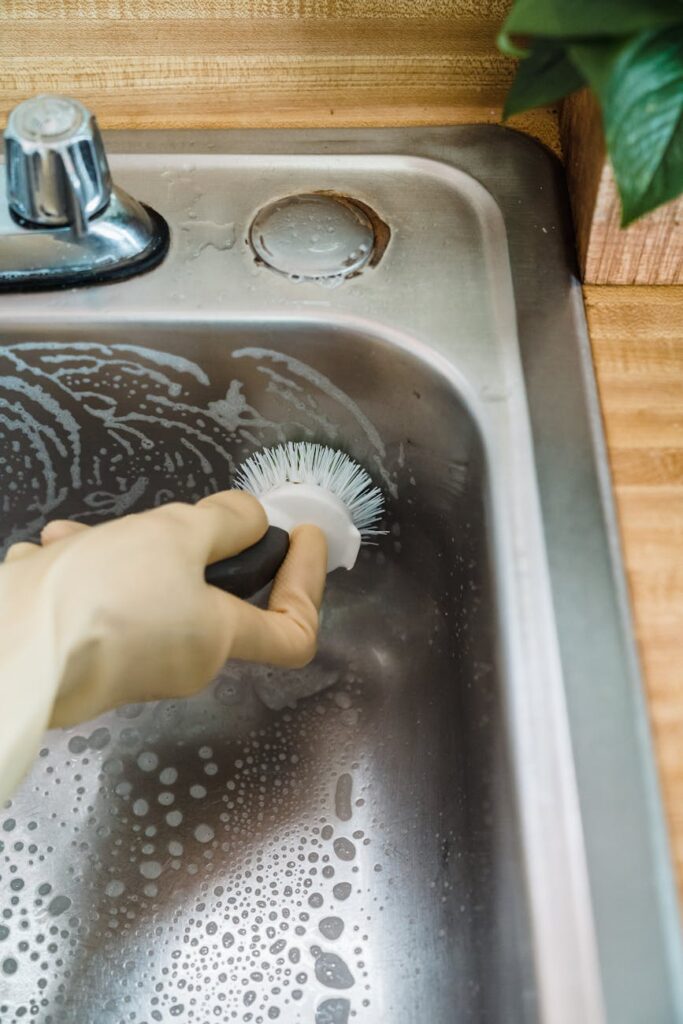
Stainless Steel Cleaning Stains Guide Part 1
Introduction
Stainless steel appliances are a popular choice in many homes due to their sleek appearance and durability. However, they are not immune to stains, which can detract from their polished look. Whether you have fingerprints, water spots, or more stubborn stains, knowing how to clean and maintain your stainless steel surfaces is essential. This guide will provide practical solutions to common staining issues, helping you restore the shine to your stainless steel.
What Causes Stains?
Stains on stainless steel can arise from various sources:
1. Water Spots: Hard water can leave mineral deposits on the surface.
2. Fingerprints: Oils and dirt from hands can leave smudges that are difficult to remove.
3. Food Stains: Spills from cooking or food prep can lead to discoloration, especially from acidic foods like tomatoes or vinegar.
4. Rust: Although stainless steel resists rust, it can still occur if the surface is scratched or damaged.
5. Chemical Reactions: Certain cleaners or materials can react with stainless steel, leading to stains.
Understanding the causes of stains can help you tackle them more effectively.
Why This Problem Happens
Several factors contribute to staining on stainless steel:
- Surface Composition: While stainless steel is resistant to stains, it is not completely impervious. The alloy composition can affect its ability to resist staining.
- Environmental Factors: Exposure to moisture, humidity, or certain chemicals can lead to discoloration.
- Improper Cleaning: Using the wrong cleaning methods or tools can damage the surface, leading to stains.
- Neglect: Regular maintenance is key. Stains can become more stubborn over time if not addressed promptly.
- Soft cloths or microfiber towels
- Mild dish soap
- White vinegar
- Baking soda
- Olive oil or mineral oil
- Stainless steel cleaner (optional)
By understanding these factors, you can take proactive steps to minimize staining.
How to Fix Stains (Step-by-Step)
Step 1: Assess the Stain
Identify the type of stain you’re dealing with. Is it a water spot, food stain, or something else? This will help you choose the right cleaning method.
Step 2: Gather Your Supplies
You’ll need the following supplies:
Step 3: Clean the Area
1. General Cleaning: Mix a few drops of mild dish soap with warm water. Dampen a microfiber cloth in the solution and wipe the stained area gently.
2. Tough Stains: For stubborn stains, create a paste using baking soda and water. Apply it to the stain and let it sit for 10-15 minutes. Scrub gently with a soft cloth.
3. Water Spots: Spray white vinegar directly onto the water spots and wipe with a soft cloth. Rinse with warm water and dry immediately.
Step 4: Buff the Surface
After removing the stain, buff the surface with a dry microfiber cloth. For extra shine, apply a few drops of olive oil or mineral oil to another cloth and buff the stainless steel.
Step 5: Inspect
Check the area to ensure the stain is fully removed. Repeat the previous steps if necessary.
Best Cleaning Methods
Here are some effective methods for cleaning stains on stainless steel:
1. Soap and Water: Always start with a gentle cleaning solution of soap and warm water. It’s effective for general dirt and grime.
2. Baking Soda Paste: For tougher stains, a baking soda paste is non-abrasive and safe for stainless steel.
3. Vinegar Solution: A mixture of equal parts water and white vinegar can effectively remove water spots and light stains.
4. Commercial Cleaners: If home remedies don’t work, consider using a stainless steel cleaner specifically designed for tough stains. Always follow the manufacturer’s instructions.
Common Mistakes to Avoid
1. Using Abrasive Cleaners: Avoid steel wool or harsh scrubbers, as they can scratch the surface.
2. Neglecting Drying: Leaving water on the surface can lead to water spots. Always dry stainless steel after cleaning.
3. Overusing Chemicals: Excessive use of commercial cleaners can damage the protective layer on stainless steel. Use them sparingly.
4. Ignoring Manufacturer’s Instructions: Always check for any specific cleaning instructions provided by the appliance manufacturer.
5. Skipping Regular Maintenance: Regularly clean your stainless steel surfaces to prevent stains from becoming ingrained.
Prevention Tips
1. Regular Cleaning: Establish a routine for cleaning your stainless steel surfaces. A quick wipe-down can prevent stains from setting in.
2. Use a Soft Cloth: Always use a soft cloth or microfiber towel to avoid scratching the surface.
3. Dry Immediately: After washing, always dry the surface to prevent water spots.
4. Avoid Prolonged Contact with Food: Clean up spills as soon as they happen, especially with acidic foods.
5. Store Properly: Avoid stacking items on stainless steel surfaces that could scratch or damage them.
Frequently Asked Questions
1. Can I use vinegar on stainless steel?
Yes, vinegar is effective for cleaning stains on stainless steel. Just be sure to rinse and dry the area afterward to avoid any potential residue.
2. What’s the best way to remove fingerprints?
A soft cloth dampened with a solution of soap and water usually works well. For persistent smudges, use a specialized stainless steel cleaner.
3. Are there any cleaners I should avoid?
Avoid cleaners that contain bleach or chlorine, as they can damage stainless steel. Always check labels before use.
4. How often should I clean my stainless steel appliances?
Aim for weekly cleanings, but wipe up spills and stains as they happen to prevent buildup.
5. Can I use baking soda on stainless steel?
Yes, baking soda is safe and effective for removing tough stains. Create a paste with water for best results.
6. Is it normal for stainless steel to rust?
While stainless steel is resistant to rust, it can occur if the surface is scratched or exposed to moisture for extended periods. Regular maintenance can help prevent this.
By following these practical tips and techniques, you can keep your stainless steel surfaces looking their best. Stay tuned for Part 2 of our Stainless Steel Cleaning Stains Guide, where we’ll cover more advanced cleaning techniques and solutions.