
Stainless Steel Cleaning Mould & Damp Guide Part 1
Introduction
Stainless steel appliances can bring a sleek and modern look to your kitchen, but they are not immune to the pesky issues of mould and damp. These problems not only affect the aesthetics of your appliances but can also lead to bigger issues if left unchecked. In this guide, we’ll dive into the causes of mould and damp, how to effectively clean it, and tips to prevent it from returning.
What Causes Mould & Damp?
Mould and damp typically occur when moisture accumulates in an area without proper ventilation. Here are some common culprits:
- High Humidity: Areas with high humidity levels can lead to condensation on stainless steel surfaces.
- Leaks: Water leaks from plumbing or appliances can create a damp environment.
- Poor Ventilation: Kitchens and bathrooms often lack adequate airflow, promoting mould growth.
- Spills and Residue: Food spills or residue left on surfaces can attract moisture and create a breeding ground for mould.
- Soft cloths or microfiber towels
- A bucket
- Water
- White vinegar or a commercial mould remover
- Baking soda (optional)
- Rubber gloves
- Vinegar: Its acetic acid effectively breaks down mould and grime without damaging stainless steel.
- Baking Soda Paste: Mix baking soda with water to create a paste. This works well for tougher stains and can help eliminate odours.
- Commercial Cleaners: If natural solutions aren’t working, consider using a commercial stainless steel cleaner designed to tackle mould and damp.
- Using Abrasive Cleaners: Avoid steel wool or harsh scrubbing pads, as they can scratch stainless steel.
- Neglecting to Rinse: Failing to rinse off cleaning solution can lead to streaking or residue buildup.
- Not Drying Properly: Leaving surfaces wet can invite mould back, so always dry thoroughly.
- Ignoring Ventilation: After cleaning, ensure that the area is well-ventilated to prevent moisture buildup.
- Regular Cleaning: Clean your stainless steel appliances regularly to prevent mould buildup.
- Keep It Dry: Wipe down surfaces after cooking or cleaning to remove excess moisture.
- Improve Airflow: Use exhaust fans in kitchens and bathrooms to reduce humidity levels.
- Monitor Humidity: Use a dehumidifier in areas prone to dampness to keep humidity levels in check.
- Seal Any Leaks: Inspect your plumbing and appliances regularly for leaks that could contribute to damp areas.
Why This Problem Happens
Mould thrives in environments where moisture and organic material are present. Stainless steel may seem impervious, but it can still collect dirt and moisture in tiny crevices. When humidity levels rise, or if spills are not cleaned promptly, mould can begin to grow. Understanding these conditions can help you take proactive measures to keep your stainless steel surfaces clean and free from dampness.
How to Fix Mould & Damp (Step-by-Step)
Step 1: Gather Your Supplies
You’ll need:
Step 2: Safety First
Before you start cleaning, wear rubber gloves to protect your hands. If the mould growth is extensive, consider wearing a mask to avoid inhaling spores.
Step 3: Prepare the Cleaning Solution
Mix equal parts of water and white vinegar in a bucket. For tougher mould, add a few tablespoons of baking soda to the mixture to enhance its cleaning power.
Step 4: Apply the Solution
Soak a soft cloth in the cleaning solution and wring it out until it’s damp but not dripping. Gently wipe the affected areas of the stainless steel.
Step 5: Scrub if Necessary
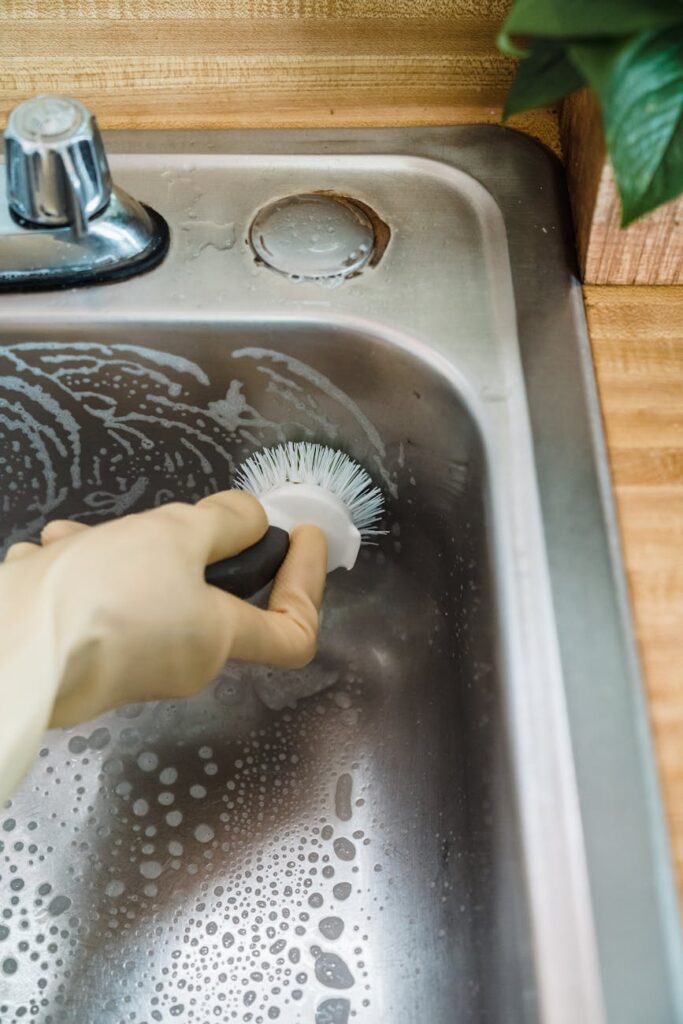
For stubborn mould or stains, use a soft-bristled brush or a non-abrasive scrubbing pad. Be cautious to avoid scratching the stainless steel surface.
Step 6: Rinse and Dry
After cleaning, rinse the area with clean water using another cloth. Follow up by thoroughly drying the surface to prevent future moisture accumulation.
Step 7: Dispose of Waste
Properly dispose of any contaminated materials, including cloths used for cleaning.
Best Cleaning Methods
Common Mistakes to Avoid
Prevention Tips
Frequently Asked Questions
1. How often should I clean my stainless steel appliances to prevent mould?
Aim for a weekly clean to keep surfaces free from moisture and grime.
2. Can I use bleach on stainless steel?
No, bleach can damage stainless steel and lead to discolouration. Use vinegar or baking soda instead.
3. What if the mould is persistent?
If mould persists despite cleaning, consider consulting a professional for a more thorough assessment and treatment.
4. Is mould on stainless steel dangerous?
While mould can be an irritant, the risk is generally low. However, it’s best to remove it promptly to maintain a healthy environment.
5. Can I prevent mould with a spray?
Yes, using a vinegar spray can help keep mould at bay. Spray and wipe down surfaces regularly as a preventative measure.
6. What should I do if mould keeps coming back?
If mould continues to return, assess the area for underlying moisture issues and improve ventilation or use a dehumidifier.
By following these steps and tips, you can effectively tackle mould and damp on your stainless steel appliances, ensuring they remain clean and looking their best. Stay vigilant and proactive to keep these issues at bay!