
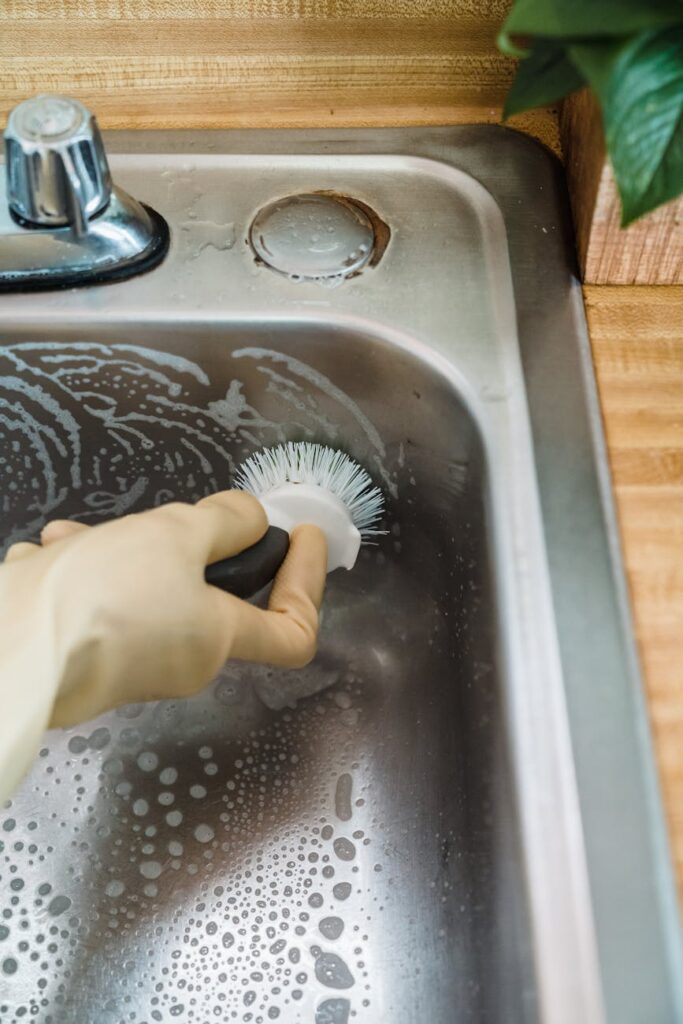
Stainless Steel Cleaning Laundry Guide Part 1
Introduction
Stainless steel appliances and fixtures are a popular choice in many homes due to their sleek appearance and durability. However, they are not immune to laundry-related stains, smudges, and streaks. Whether you’re dealing with detergent spills, grease from fabric softeners, or rust from damp clothes, it’s crucial to know how to clean and maintain stainless steel surfaces effectively. This guide will walk you through the causes of laundry stains, why they occur, and how to fix them.
What Causes Laundry?
Laundry stains on stainless steel surfaces typically stem from a few common culprits:
1. Detergent Spills: Liquid or powder laundry detergents can leave residue if not wiped up immediately.
2. Fabric Softeners: These can leave oily stains that attract dirt and grime.
3. Water Marks: Hard water can leave mineral deposits that create unsightly streaks.
4. Rust: Moisture from wet laundry can lead to rust spots, especially if left on stainless steel surfaces for extended periods.
Why This Problem Happens
Understanding why these stains occur is key to effective cleaning:
1. Chemical Reactions: Detergents often contain chemicals that can react with the stainless steel, especially when left unchecked.
2. Moisture Retention: Stainless steel is susceptible to moisture, which can lead to rust, particularly if clothes are left draped over surfaces.
3. Oils and Residue: Fabric softeners and other laundry additives contain oils that can cling to surfaces, making them attract dust and grime.
How to Fix Laundry (Step-by-Step)
Step 1: Gather Your Supplies
Before you start cleaning, collect the following items:
- Soft cloths or microfiber towels
- Mild dish soap
- White vinegar
- Baking soda
- Olive oil (optional)
- Stainless steel cleaner (optional)
- For Light Stains: A mixture of dish soap and water works best for everyday cleaning.
- For Heavy Residue: Use white vinegar and baking soda for a deeper clean.
- For Streaks: A dedicated stainless steel cleaner can provide a polished finish.
- For Rust: Use a rust remover specifically designed for stainless steel, following the manufacturer’s instructions.
- Wipe Up Immediately: Clean spills as soon as they happen to avoid staining.
- Use Soft Cloths: Opt for soft materials to avoid scratches.
- Regular Maintenance: Perform routine cleaning every couple of weeks to keep stainless steel looking fresh.
- Store Laundry Products Properly: Keep laundry detergents and fabric softeners sealed and away from stainless steel surfaces.
- Dry Clothes Before Placement: Ensure laundry is not dripping wet before placing it on stainless steel.
Step 2: Initial Wipe Down
1. Dampen a Soft Cloth: Use warm water to dampen a clean cloth.
2. Wipe the Surface: Gently wipe the affected area to remove any loose debris or dust.
Step 3: Clean with Soap Solution
1. Mix Soap and Water: Combine a few drops of mild dish soap in a bowl of warm water.
2. Apply the Solution: Dip a soft cloth into the soapy water and wring it out.
3. Wipe the Stained Area: Gently scrub the area in the direction of the grain to avoid scratching the surface.
Step 4: Rinse and Dry
1. Rinse the Cloth: Use clean water to rinse out the soap.
2. Wipe Again: Go over the area again to remove any soap residue.
3. Dry Thoroughly: Use a dry cloth to wipe down the surface completely. This step is crucial to prevent water marks.
Step 5: Deep Clean with Vinegar and Baking Soda (if needed)
1. Spray Vinegar: Lightly spray white vinegar on the stained area.
2. Sprinkle Baking Soda: Follow with a sprinkle of baking soda. This will create a fizzing reaction that helps lift stains.
3. Let Sit: Allow it to sit for 5-10 minutes.
4. Scrub Gently: Use a soft cloth to scrub the area gently, following the grain.
5. Rinse and Dry: Rinse with clean water and dry thoroughly.
Step 6: Apply Olive Oil for Shine
1. Add a Drop of Olive Oil: If desired, apply a small amount of olive oil to a clean cloth.
2. Buff the Surface: Rub the oil into the stainless steel using a circular motion. This will enhance shine and help protect against future stains.
Best Cleaning Methods
Common Mistakes to Avoid
1. Using Abrasive Cleaners: Avoid steel wool or harsh scouring pads, as they can scratch the surface.
2. Not Following the Grain: Always clean in the direction of the grain to prevent scratching and maintain the finish.
3. Ignoring Spills: Clean up spills immediately to avoid long-term staining or damage.
4. Overusing Cleaners: Less is more; using too much cleaner can leave residue.
5. Neglecting Regular Maintenance: Schedule regular cleanings to keep surfaces looking their best.
Prevention Tips
Frequently Asked Questions
1. Can I use vinegar on stainless steel?
Yes, vinegar is safe for stainless steel, but it should be used in moderation and rinsed off immediately to avoid any potential damage.
2. How do I remove rust from stainless steel?
Use a rust remover specifically designed for stainless steel, or a paste of baking soda and water, scrubbing gently in the direction of the grain.
3. Are stainless steel cleaners necessary?
While not strictly necessary, they can enhance shine and provide added protection against stains.
4. Can I use bleach on stainless steel?
No, bleach can cause discoloration and damage to stainless steel surfaces.
5. How often should I clean stainless steel appliances?
For best results, clean stainless steel surfaces every couple of weeks, or more frequently if they are heavily used.
6. What’s the best way to prevent streaks on stainless steel?
Always dry the surface thoroughly after cleaning and use a dedicated stainless steel cleaner for polishing.
By following these practical steps and tips, you can keep your stainless steel surfaces free from laundry-related stains and looking their best. Stay tuned for Part 2 of our Stainless Steel Cleaning Laundry Guide, where we’ll explore more advanced techniques and products for maintaining your stainless steel items.