
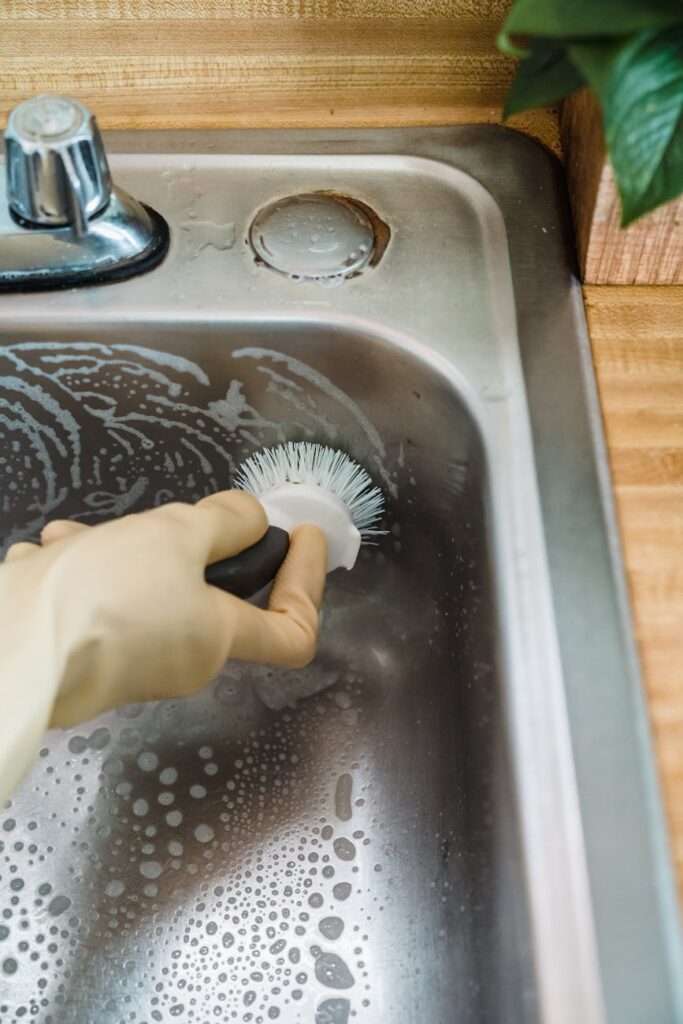
Stainless Steel Cleaning Kitchen Guide Part 1
Introduction
Stainless steel appliances and fixtures bring a sleek, modern look to any kitchen. However, they can be prone to smudges, fingerprints, and stubborn stains. In this guide, we will address common cleaning challenges faced by homeowners and provide practical solutions to keep your stainless steel surfaces looking pristine.
What Causes Kitchen Messes on Stainless Steel?
Understanding what leads to stains and smudges on stainless steel is vital for effective cleaning. Common culprits include:
- Fingerprints: Natural oils from your skin transfer onto surfaces, leading to visible marks.
- Food and Spills: Cooking can create splatters of grease, sauce, or food particles that stick to stainless steel.
- Water Spots: Hard water can leave mineral deposits that appear as spots or streaks.
- Scratches: Abrasive cleaning methods can damage the surface, making it more susceptible to stains.
- Material Composition: While stainless steel resists corrosion, it can still be affected by certain acids and chemicals.
- Poor Cleaning Habits: Using the wrong cleaners or methods can exacerbate stains and damage the finish.
- Environmental Factors: Humidity and temperature changes can lead to condensation, encouraging water spots.
- Soft cloths or microfiber towels
- Mild dish soap
- White vinegar
- Olive oil or mineral oil
- Baking soda (for tough stains)
- A spray bottle
Why This Problem Happens
Stainless steel is not entirely stain-proof; its surface can be affected by various factors:
How to Fix Kitchen (Step-by-Step)
Cleaning stainless steel is straightforward if you follow a systematic approach. Here’s how to tackle it:
Step 1: Gather Your Supplies
You will need:
Step 2: Initial Wipe Down
1. Dampen a Cloth: Use warm water mixed with a few drops of dish soap.
2. Wipe the Surface: Gently wipe down the stainless steel, focusing on areas with visible smudges or stains.
3. Rinse: Use a clean, damp cloth to remove soap residue.
Step 3: Treat Stubborn Stains
1. Baking Soda Paste: For tough stains, create a paste with baking soda and water.
2. Apply and Wait: Spread the paste on the stain and let it sit for 5-10 minutes.
3. Scrub Gently: Use a soft cloth to scrub the area in the direction of the grain.
4. Rinse: Wipe off the paste with a damp cloth and dry thoroughly.
Step 4: Polish the Surface
1. Vinegar Spray: Fill a spray bottle with equal parts vinegar and water.
2. Spray and Wipe: Lightly spray the surface and wipe with a clean cloth to remove streaks.
3. Oil Finish: Apply a small amount of olive or mineral oil to another clean cloth and buff the surface to add shine and protection.
Best Cleaning Methods
Different cleaning methods can be effective depending on the specific issue:
1. Mild Soap and Water
This is the safest method for regular cleaning and maintenance. It cleans without damaging the finish.
2. Vinegar Solution
A vinegar solution can effectively cut through grease and grime without harsh chemicals.
3. Baking Soda
Ideal for tough stains, baking soda is mildly abrasive and can tackle stubborn marks without scratching.
4. Commercial Stainless Steel Cleaners
If you prefer commercial products, ensure they are specifically designed for stainless steel. Follow the manufacturer’s instructions for optimal results.
Common Mistakes to Avoid
1. Using Abrasive Cleaners: Steel wool or harsh scrubbing pads can scratch the surface.
2. Neglecting to Rinse: Failing to rinse off cleaning agents can lead to streaks or residue.
3. Cleaning Against the Grain: Always clean in the direction of the grain to avoid scratches.
4. Forgetting to Dry: Leaving the surface wet can lead to water spots and streaks.
Prevention Tips
1. Regular Cleaning: Wipe down your stainless steel surfaces regularly to prevent buildup.
2. Use Coasters and Mats: Place coasters under appliances or utensils to prevent scratches and stains.
3. Sealants: Consider using a stainless steel sealant to provide an extra layer of protection.
4. Mind Your Ingredients: Be cautious with acidic substances like vinegar or lemon juice near stainless steel.
Frequently Asked Questions
1. Can I use bleach on stainless steel?
No, bleach can cause discoloration and damage the finish. Stick to mild cleaners.
2. How often should I clean my stainless steel appliances?
Aim for weekly cleanings, or more often if you notice stains or smudges.
3. Is it safe to use paper towels on stainless steel?
While paper towels can be used, they may leave lint. Microfiber cloths are a better option.
4. Are there any DIY stainless steel cleaners?
Yes, a mixture of vinegar and water or baking soda and water can work effectively.
5. How do I remove deep scratches from stainless steel?
For deep scratches, you may need a scratch repair kit specifically designed for stainless steel.
6. Can I use cooking oil to clean stainless steel?
Yes, a small amount of cooking oil can help polish and protect the surface after cleaning.
By following these practical steps and tips, you’ll maintain the beauty of your stainless steel kitchen surfaces, making them shine and last for years to come. Stay tuned for Part 2, where we dive deeper into advanced cleaning techniques and solutions for tougher problems.