
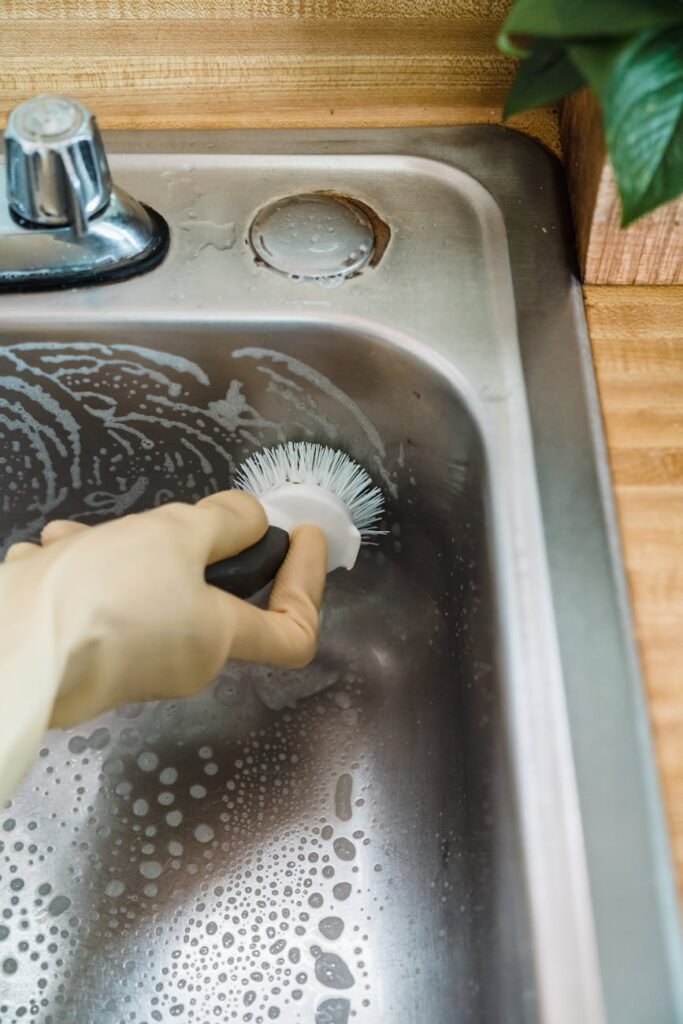
Stainless Steel Cleaning Bathroom Guide Part 1
Introduction
Maintaining a clean and shiny stainless steel bathroom is essential for both aesthetics and hygiene. Stainless steel fixtures, such as faucets, showerheads, and towel racks, can become dull and tarnished over time due to mineral deposits, soap scum, and general grime. This guide aims to provide you with effective strategies for tackling the common cleaning challenges associated with stainless steel in your bathroom.
What Causes Bathroom Grime on Stainless Steel?
The bathroom is a humid environment, leading to various forms of grime on stainless steel surfaces. Here are the primary culprits:
1. Hard Water Stains: High mineral content in water can leave behind unsightly spots on stainless steel.
2. Soap Scum: Soap residues can accumulate, creating a hazy film that dulls the shine.
3. Mold and Mildew: Moisture in the bathroom can promote the growth of mold and mildew, which can cling to stainless steel.
4. Body Oils and Dirt: Regular use of bathroom fixtures can lead to the transfer of body oils and dirt, making surfaces grimy.
Why This Problem Happens
Understanding the reasons behind the grime can help you address it effectively. Here’s why these issues occur:
- Humidity: Bathrooms are often moist environments, which can exacerbate the buildup of soap scum and encourage mold growth.
- Water Quality: If your water is high in minerals, it can lead to hard water stains that are hard to remove.
- Neglect: Regular cleaning is often overlooked, allowing grime to build up over time.
- Microfiber cloths
- Mild dish soap
- White vinegar
- Baking soda
- Olive oil (optional for polishing)
- Spray bottle
- Soft-bristled toothbrush (for tough spots)
- Vinegar: Excellent for breaking down mineral deposits and hard water stains.
- Baking Soda: A natural abrasive that effectively removes soap scum without scratching.
- Dish Soap: Safe for regular cleaning to remove everyday grime.
- Olive Oil: Ideal for polishing and maintaining that shiny finish.
How to Fix Bathroom Grime on Stainless Steel (Step-by-Step)
Cleaning stainless steel in your bathroom doesn’t have to be a daunting task. Follow these steps for a thorough clean:
Step 1: Gather Your Supplies
Before you start, gather the following materials:
Step 2: Initial Wipe Down
1. Prepare a Solution: Mix a few drops of mild dish soap with warm water in a bowl or spray bottle.
2. Wipe Surfaces: Use a microfiber cloth soaked in the soapy water to wipe down all stainless steel surfaces, including faucets and handles.
Step 3: Tackle Hard Water Stains
1. Vinegar Spray: Fill a spray bottle with white vinegar and spray the affected areas. Let it sit for about 10 minutes.
2. Scrub: Use a soft-bristled toothbrush to gently scrub the stains. Rinse with warm water and dry immediately with a clean cloth.
Step 4: Remove Soap Scum
1. Baking Soda Paste: Create a paste using baking soda and water.
2. Apply: Spread the paste over the soap scum areas and let it sit for 5-10 minutes.
3. Scrub and Rinse: Use a microfiber cloth or toothbrush to scrub, then rinse with warm water.
Step 5: Polish
1. Optional Olive Oil: For a shine, apply a small amount of olive oil to a clean cloth and buff the stainless steel surfaces.
2. Final Buff: Use a dry microfiber cloth to give everything a final polish.
Best Cleaning Methods
Each cleaning method has its own merits. Here are the best options:
Common Mistakes to Avoid
Avoid these pitfalls to ensure you’re cleaning effectively:
1. Using Abrasive Cleaners: Steer clear of steel wool or harsh chemical cleaners, which can scratch and damage the surface.
2. Not Rinsing Thoroughly: Always rinse off cleaning solutions to prevent residue buildup.
3. Using the Wrong Cloth: Avoid paper towels; they can leave lint. Stick to microfiber for the best results.
4. Neglecting Regular Maintenance: Consistency is key. A quick wipe-down after each use can prevent buildup.
Prevention Tips
Taking preventive measures can save you time and effort in the long run:
1. Dry Surfaces: After each use, wipe down stainless steel fixtures with a dry microfiber cloth to prevent water spots.
2. Use a Squeegee: Employ a squeegee on shower glass and tiles to minimize soap scum and water spots.
3. Install a Water Softener: If hard water is an issue, consider a water softener to reduce mineral deposits.
4. Regular Cleaning Schedule: Establish a routine cleaning schedule to maintain the appearance of your stainless steel fixtures.
Frequently Asked Questions
1. How often should I clean my stainless steel bathroom fixtures?
Aim for a thorough clean every week, with quick wipe-downs after each use to prevent buildup.
2. Can I use vinegar on all stainless steel surfaces?
Yes, but always test a small, inconspicuous area first to ensure there’s no adverse reaction.
3. What should I avoid when cleaning stainless steel?
Avoid abrasive cleaners, bleach, and steel wool, as they can scratch and damage the surface.
4. How do I remove rust spots from stainless steel?
Use a mixture of baking soda and water to create a paste. Apply it to the rust spots, scrub gently, and rinse thoroughly.
5. Is it safe to use regular soap on stainless steel?
Yes, mild dish soap is safe and effective for cleaning stainless steel surfaces.
6. Can I use essential oils for cleaning?
While some essential oils can have antibacterial properties, they should be diluted and used cautiously to avoid damaging surfaces.
By following these steps and tips, you can effectively maintain the cleanliness and shine of your stainless steel bathroom fixtures, ensuring they look great and last longer. Stay tuned for Part 2, where we will dive deeper into advanced cleaning techniques and maintenance strategies.