
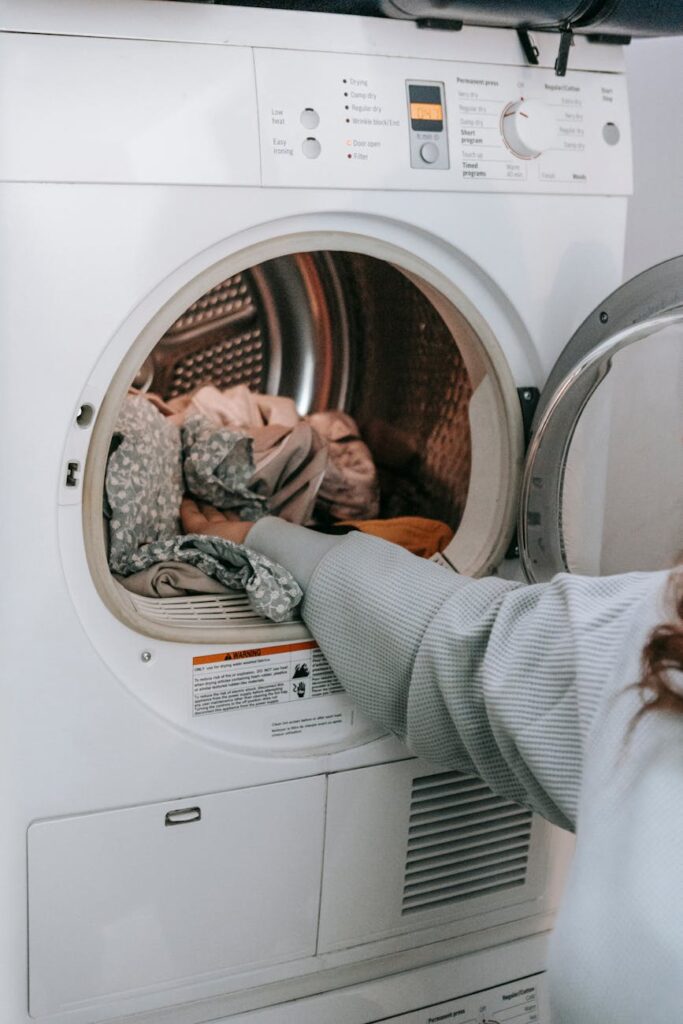
Sour Washing Machine Stains Guide Part 1
Introduction
A sour washing machine can turn your laundry routine into a frustrating experience. Stains can accumulate from various sources, leaving your clothes less than fresh. Understanding the causes of these stains, how to fix them, and how to prevent them in the future can help you maintain a cleaner, fresher washing machine. This guide will provide practical solutions to help you tackle the problem effectively.
What Causes Stains?
1. Mold and Mildew: Moisture in the washing machine creates an ideal environment for mold and mildew, which can lead to dark stains.
2. Detergent Residue: Overusing laundry detergent can leave a sticky residue that attracts dirt and grime.
3. Fabric Softener Build-Up: Similar to detergent, fabric softeners can accumulate and lead to stains and odors.
4. Dirty Water Supply: Sometimes, the water that fills your machine contains minerals and sediments that can stain your clothes.
5. Neglected Machine Parts: Areas like the door seal, detergent drawer, and drain pump can accumulate grime if not cleaned regularly.
Why This Problem Happens
Stains in your washing machine often occur due to a combination of moisture, insufficient cleaning, and improper usage. When the washing machine is not used frequently or if it remains closed when not in use, humidity can build up, leading to mold growth. Additionally, using too much detergent can result in residue that becomes a breeding ground for stains.
How to Fix Stains (Step-by-Step)
Step 1: Gather Your Supplies
You will need:
- White vinegar
- Baking soda
- A sponge or cloth
- A toothbrush (for scrubbing)
- A bucket (if necessary)
Step 2: Empty the Machine
Make sure there are no clothes in the drum. This allows you to focus on cleaning the machine itself.
Step 3: Clean the Drum
1. Vinegar Wash: Add two cups of white vinegar to the drum. Run a hot water cycle (without detergent) to help lift stains and odors.
2. Baking Soda Boost: After the vinegar cycle, add one cup of baking soda and run another hot water cycle. This combination will help neutralize any lingering odors.
Step 4: Scrub the Seals
1. Inspect the Door Seal: Use a sponge or cloth dampened with a mixture of equal parts vinegar and water to wipe down the rubber door seal.
2. Toothbrush Scrub: For stubborn stains, use a toothbrush to get into the crevices. Rinse with clean water afterward.
Step 5: Clean the Detergent Drawer
1. Remove the Drawer: Pull out the detergent drawer and soak it in hot, soapy water for about 15 minutes.
2. Scrub: Use a sponge to scrub away any residue. Rinse and dry before reinserting.
Step 6: Check the Drain Filter
If your washing machine has a drain filter, remove it and clean it according to the manufacturer’s instructions. This can prevent clogs that contribute to stains.
Best Cleaning Methods
1. Vinegar and Baking Soda: This dynamic duo is effective for cleaning and deodorizing.
2. Bleach (for safe machines): If your washing machine is bleach-safe, a diluted bleach cycle can help eliminate tough stains and bacteria. Always follow manufacturer guidelines.
3. Commercial Cleaners: Consider using products specifically designed for washing machine cleaning if you prefer a quick solution.
Common Mistakes to Avoid
1. Overloading the Machine: This can prevent proper cleaning and rinse cycles, leading to stains.
2. Neglecting Regular Maintenance: Failing to clean your washing machine regularly allows stains and odors to develop over time.
3. Using Too Much Detergent: More detergent doesn’t equal cleaner clothes. It can leave residue, leading to stains.
4. Closing the Door After Use: This traps moisture inside, promoting mold and mildew growth.
Prevention Tips
1. Leave the Door Open: After each wash, leave the door ajar to allow air circulation and prevent moisture build-up.
2. Use the Right Amount of Detergent: Follow the manufacturer’s recommendations for detergent use.
3. Run Regular Maintenance Cycles: Clean your machine monthly with vinegar and baking soda to prevent build-up.
4. Check Water Quality: If your water supply is hard, consider using a water softener to reduce mineral deposits.
5. Wipe Down After Each Use: A quick wipe of the door seal and the drum can prevent stains from developing.
Frequently Asked Questions
1. How often should I clean my washing machine?
Aim to clean it once a month to keep stains and odors at bay.
2. Can I use bleach to clean my washing machine?
Yes, but only if your machine is bleach-safe. Always follow the manufacturer’s guidelines.
3. Why does my washing machine smell sour?
This is usually due to mold, mildew, or detergent build-up from moisture.
4. Can I prevent stains without using harsh chemicals?
Absolutely! Regular cleaning with vinegar and baking soda is effective and safe.
5. What should I do if stains persist after cleaning?
You may need to repeat the cleaning process or consult a professional if the stains are stubborn.
6. Is it safe to leave wet clothes in the washing machine?
No, this can lead to mildew and odors. Always remove clothes promptly after washing.
Conclusion
A sour washing machine doesn’t have to be a permanent issue. By understanding the causes of stains and implementing regular cleaning and maintenance routines, you can keep your machine—and your laundry—fresh and clean. Stay tuned for Part 2, where we will delve deeper into specific types of stains and targeted solutions.