
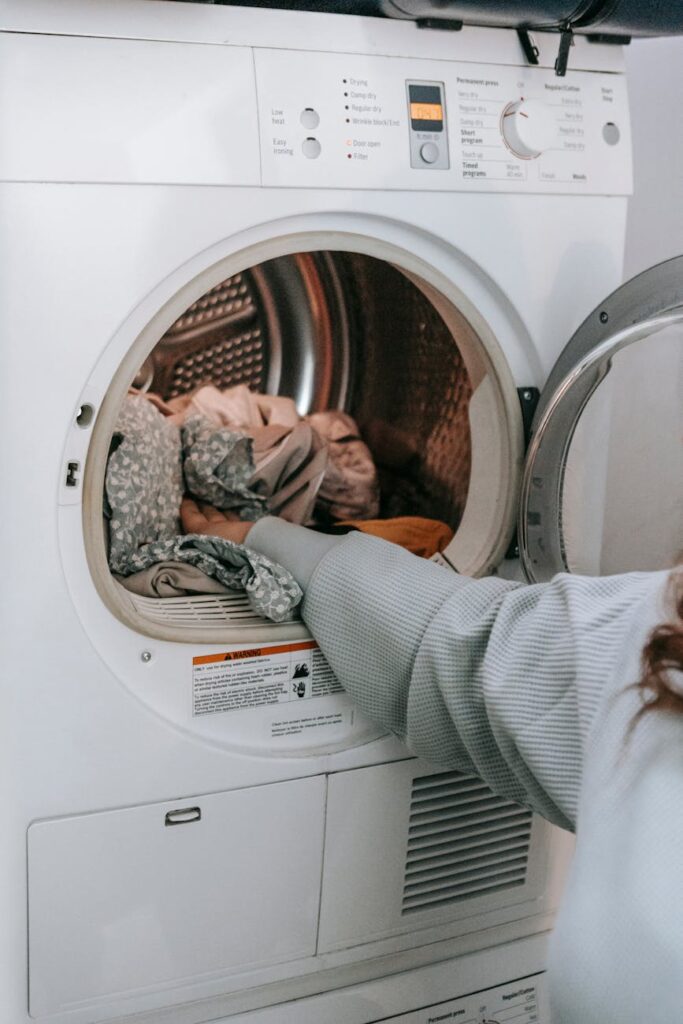
Sour Washing Machine Laundry Guide Part 1
Introduction
If you’ve ever opened your washing machine only to be met with a foul odor, you’re not alone. A sour washing machine can ruin your laundry experience and leave your clothes smelling less than fresh. This guide will help you understand the causes of sour laundry, how to fix the problem, and prevent it from happening again.
What Causes Sour Laundry?
Sour laundry typically results from bacteria and mold growth within your washing machine. This is often due to:
1. Moisture: Water left in the machine creates a breeding ground for mold and mildew.
2. Detergent Residue: Excess detergent can accumulate, attracting bacteria.
3. Improper Loading: Overloading the machine can prevent proper rinsing.
4. Lack of Maintenance: Neglecting regular cleaning can lead to buildup.
Why This Problem Happens
Understanding why your washing machine smells sour is crucial for effective cleaning. Here are some specific factors that contribute to the problem:
- Front-Loading Machines: These machines are more prone to odors due to their airtight seals, which retain moisture.
- Cold Water Washes: While energy-efficient, washing in cold water can prevent detergents from fully dissolving, leaving residue that supports bacterial growth.
- Neglected Rubber Seals: The rubber gasket around the door can trap moisture and detergent, making it a hotspot for mold.
- Old or Dirty Hoses: Hoses that carry water can become clogged or harbor bacteria, leading to unpleasant smells.
- White vinegar
- Baking soda
- Microfiber cloth
- Soft brush (like a toothbrush)
- Hot water
- Monthly Cleaning: Make it a habit to clean your washing machine monthly. Regular vinegar and baking soda cycles will keep odors at bay.
- Keep the Door Open: After each use, leave the door ajar to allow moisture to escape.
- High-Efficiency Detergent: If you have a front-loading machine, always use HE detergent to minimize buildup.
- Correct Amount: Follow the manufacturer’s recommendations for detergent usage to avoid excess residue.
How to Fix Sour Laundry (Step-by-Step)
Step 1: Gather Your Supplies
Before you begin, gather the following items:
Step 2: Clean the Rubber Seal
1. Inspect: Open the door and inspect the rubber gasket for any visible mold or mildew.
2. Wipe Down: Use a microfiber cloth dampened with a mixture of white vinegar and water to wipe the seal thoroughly.
3. Scrub: For stubborn spots, use a soft brush to gently scrub away any buildup.
Step 3: Run a Cleaning Cycle
1. Vinegar Wash: Pour two cups of white vinegar into the drum and run a hot water cycle. This will help kill bacteria and remove odors.
2. Baking Soda Boost: After the vinegar cycle, sprinkle half a cup of baking soda in the drum and run another hot water cycle. This will neutralize odors.
Step 4: Clean the Detergent Drawer
1. Remove: Take out the detergent drawer and soak it in hot water.
2. Scrub: Use a soft brush to scrub away any residue.
3. Rinse: Rinse thoroughly and allow it to dry before reinserting.
Step 5: Rinse the Hoses
1. Disconnect: Turn off the water supply and disconnect the hoses from the back of the washing machine.
2. Flush: Run water through the hoses to remove any buildup.
3. Reattach: Ensure there are no leaks and reattach the hoses securely.
Best Cleaning Methods
Regular Maintenance
Use the Right Detergent
Common Mistakes to Avoid
1. Overloading the Machine: This prevents proper cleaning and rinsing. Stick to the manufacturer’s load recommendations.
2. Ignoring the Rubber Seal: Regularly inspect and clean the rubber gasket to prevent mold growth.
3. Using Too Much Detergent: Excess detergent can lead to buildup, which contributes to odors. Measure carefully.
4. Skipping Maintenance: Neglecting routine cleaning will lead to bigger problems down the line.
5. Using Cold Water Exclusively: Occasionally use hot water to help dissolve detergent and eliminate bacteria.
Prevention Tips
1. Leave the Door Open: After each wash, keep the machine door open to dry out the interior.
2. Wipe Down After Use: Quickly wipe the rubber seal and door after each use to prevent moisture buildup.
3. Use Vinegar Regularly: Incorporate vinegar into your laundry routine to help combat odors.
4. Run Hot Washes: Occasionally run a hot wash cycle with no laundry to keep the machine fresh.
5. Check Hoses Regularly: Inspect hoses for blockages or leaks to ensure optimal performance and hygiene.
Frequently Asked Questions
1. How often should I clean my washing machine?
Aim to clean your washing machine at least once a month to prevent odors and buildup.
2. Can I use bleach to clean my washing machine?
While bleach can be effective, it’s not necessary if you regularly use vinegar and baking soda. If you choose to use bleach, ensure you run a separate cycle to avoid mixing chemicals.
3. Is it better to wash clothes in hot or cold water?
Hot water is generally better for killing bacteria, while cold water is more energy-efficient. Alternate between the two for maximum effectiveness.
4. What should I do if the smell persists after cleaning?
If odors persist, it may be time to consult a professional. There could be deeper issues with the machine’s plumbing or internal components.
5. Can I prevent sour laundry with essential oils?
Adding a few drops of essential oils to your laundry can help freshen your clothes, but it won’t replace regular cleaning of the machine.
6. How can I tell if my washing machine is clean?
If there are no visible mold spots, no persistent odors, and your clothes come out smelling fresh, your machine is likely clean.
By following these steps and tips, you can reclaim your laundry from sour odors and enjoy fresh, clean clothes every time. Stay tuned for Part 2, where we dive deeper into advanced maintenance and troubleshooting techniques!