
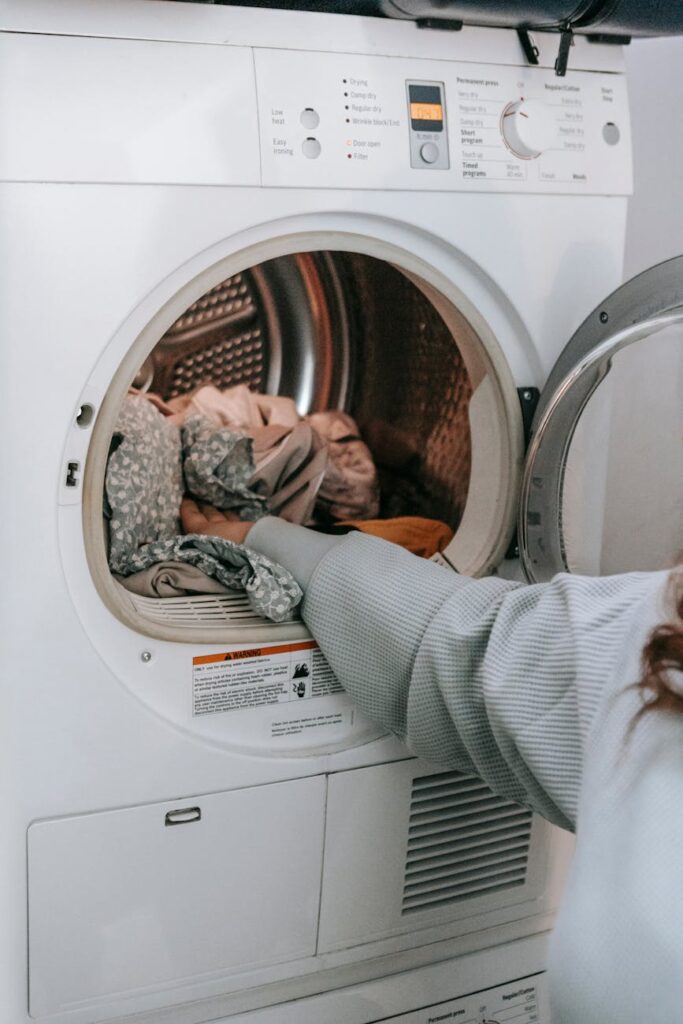
Sour Washing Machine Bathroom Guide Part 1
Introduction
A sour washing machine can leave your laundry smelling less than fresh, and the problem often traces back to the bathroom. Understanding the source of this unpleasant odor is crucial for maintaining a clean and inviting home. In this guide, we’ll explore the causes, how to fix the issue, best cleaning methods, and preventive measures to keep your bathroom—and by extension, your washing machine—smelling great.
What Causes Bathroom Odors?
Several factors contribute to sour odors in your washing machine that can also manifest in the bathroom. Here are the main culprits:
1. Humidity: Bathrooms are often damp, creating a perfect environment for mold and mildew.
2. Dirty Washers: Residue from detergents, fabric softeners, and dirt can build up in your washing machine.
3. Clogged Drains: Hair, soap scum, and other debris can cause blockages, leading to foul smells.
4. Poor Ventilation: Without proper airflow, moisture can linger, encouraging odor development.
5. Standing Water: Water trapped in the washing machine or bathroom fixtures can breed bacteria.
Why This Problem Happens
Understanding why these odors develop can help you target your cleaning efforts effectively. Here are some specific reasons:
- Mold Growth: High humidity and lack of ventilation can lead to mold growth in both the bathroom and washing machine.
- Bacterial Build-Up: Detergents and residues left in the washing machine create a breeding ground for bacteria, which can then permeate your bathroom.
- Deteriorating Pipes: Old or damaged plumbing can lead to leaks and stagnant water, contributing to unpleasant smells.
- Neglected Cleaning: Regular maintenance often gets overlooked, allowing dirt and grime to accumulate.
- Check the Washing Machine: Open the door and inspect the rubber seals and drum for residue or mold.
- Inspect Drains: Look for clogs or standing water in sinks and tubs.
- Evaluate Ventilation: Ensure bathroom vents are working properly.
- Remove Clogs: Use a plunger or a drain snake to remove hair and debris.
- Flush the Pipes: Pour a mixture of baking soda and vinegar down the drain, followed by hot water to help break down any buildup.
- Ignoring the Washing Machine: Many homeowners forget to clean their washing machine, allowing smells to develop.
- Using Too Much Detergent: Excess detergent can leave residues that contribute to odors.
- Overlooking Ventilation: A closed bathroom door can trap humidity; always keep it open for airflow during and after showers.
- Neglecting Regular Maintenance: Establish a cleaning schedule to ensure your bathroom and washing machine stay fresh.
How to Fix Bathroom Odors (Step-by-Step)
To address the sour smell, follow these actionable steps:
Step 1: Identify the Source
Step 2: Clean the Washing Machine
1. Empty the Machine: Remove all clothes and personal items.
2. Wipe Down Seals: Use a damp cloth with vinegar to clean the rubber seals.
3. Run a Cleaning Cycle: Add two cups of white vinegar to the drum and run a hot cycle. Alternatively, you can use a washing machine cleaner specifically designed for this purpose.
4. Leave the Door Open: After the cycle, keep the door ajar to allow moisture to escape.
Step 3: Clean the Bathroom
1. Scrub Surfaces: Use a mixture of water and vinegar or a specialized bathroom cleaner to scrub sinks, tubs, and countertops.
2. Clean the Toilet: Use a toilet cleaner and a brush to scrub the bowl, paying attention to the rim and under the seat.
3. Check for Mold: If you see any mold, treat it with a mixture of water and bleach (1:10 ratio) or a commercial mold remover.
4. Clean the Floors: Sweep and mop the bathroom floor to remove any debris and dirt.
Step 4: Address the Drains
Best Cleaning Methods
To maintain a fresh-smelling bathroom and washing machine, consider these effective cleaning methods:
1. Vinegar and Baking Soda: A natural deodorizer that can help eliminate odors.
2. Essential Oils: Adding a few drops of essential oil (like lavender or tea tree) to your cleaning solution can help mask odors.
3. Commercial Cleaners: Look for products designed specifically for mold and mildew removal.
4. Steam Cleaning: A steam cleaner can effectively sanitize surfaces without harsh chemicals.
Common Mistakes to Avoid
Here are some pitfalls to steer clear of during your cleaning process:
Prevention Tips
To keep your bathroom and washing machine odor-free, follow these tips:
1. Regular Cleaning: Schedule monthly deep cleans for both the washing machine and bathroom.
2. Use Vinegar: Add a cup of vinegar to your washing machine every few loads to help neutralize odors.
3. Keep the Bathroom Dry: Use a dehumidifier or exhaust fan to reduce moisture.
4. Check for Leaks: Regularly inspect pipes and fixtures for leaks that can cause standing water.
Frequently Asked Questions
1. How often should I clean my washing machine?
Aim to clean your washing machine every month to prevent odors from developing.
2. Can I use bleach to clean my washing machine?
Yes, but use it sparingly. Run a cycle with a small amount of bleach, followed by another cycle with only water to rinse.
3. What should I do if the smell persists after cleaning?
Consider having a professional inspect your plumbing to rule out deeper issues, such as pipe damage or sewer problems.
4. How can I prevent mold from growing in my bathroom?
Ensure proper ventilation, fix any leaks promptly, and use mold-resistant paint on bathroom walls.
5. Is it safe to mix vinegar and baking soda?
Yes, but use them separately. Mixing them together creates carbon dioxide gas, which can reduce their effectiveness.
6. What are some natural alternatives to store-bought cleaners?
Baking soda, vinegar, and essential oils are effective natural alternatives for cleaning and deodorizing.
By following these steps and tips, you can effectively address sour odors in your bathroom and washing machine, ensuring a clean and pleasant home environment. Stay tuned for Part 2, where we’ll delve deeper into maintaining your laundry routine!