
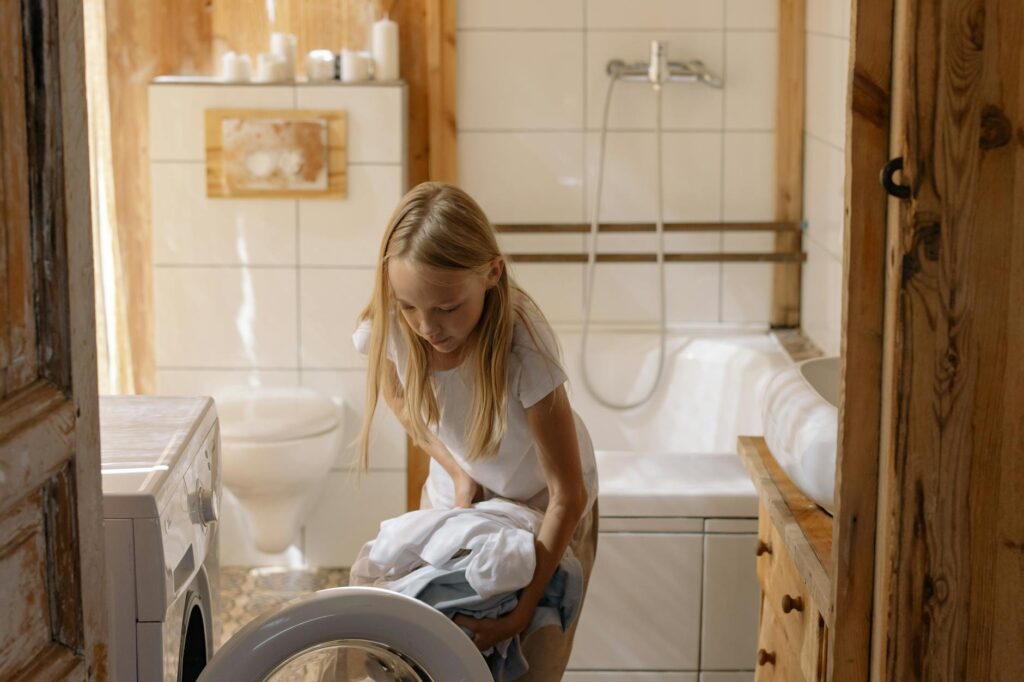
Sour Laundry Odor Appliances Guide Part 1
Introduction
There’s nothing quite like the smell of fresh laundry. However, when you open your washing machine or dryer and are met with a sour odor, it can be frustrating. This unpleasant scent often indicates a problem with your appliances. In this guide, we’ll explore the causes of sour laundry odors, how to fix them, and practical prevention tips to keep your laundry smelling fresh.
What Causes Appliances?
Sour odors in laundry are often linked to a few common sources:
1. Washing Machine: Mold, mildew, and detergent residue can build up in your washing machine, especially in front-load models. If you don’t regularly clean your machine, these residues can lead to odors.
2. Dryer: A dryer can also develop a sour smell due to trapped lint and moisture, especially if clothes are left damp for too long.
3. Laundry Baskets: If you store dirty clothes in a laundry basket for an extended period, bacteria can grow and create unpleasant odors that cling to your freshly washed items.
4. Clothes: If clothes are left damp in the washer or dryer, they can develop a sour smell themselves.
Why This Problem Happens
Understanding why sour odors develop in your appliances can help you address the issue effectively:
- Moisture: Washing machines and dryers need to be kept dry to prevent mold and mildew growth. If moisture is trapped, it creates an ideal breeding ground for bacteria.
- Detergent Residue: Using too much detergent can leave residue behind, which can attract mold and bacteria.
- Infrequent Cleaning: If you don’t clean your appliances regularly, mold and mildew can accumulate over time.
- Poor Ventilation: Insufficient airflow in your laundry area can trap moisture and lead to odors.
- Washing Machine: Combine 2 cups of white vinegar with ½ cup of baking soda. Pour this mixture into the drum and run a hot cycle. This helps to break down odors and remove residue.
- Dryer: Place a small bowl of baking soda in the dryer and run it on low heat for 15 minutes.
- Washing Machine Cleaner: Use a commercial washing machine cleaner that targets mold, mildew, and odors.
- Dryer Sheets: Use dryer sheets not just for softening but also for adding a fresh scent to your laundry.
How to Fix Appliances (Step-by-Step)
Washing Machine
1. Clean the Gasket: Check the rubber gasket around the door for mold. Wipe it down with a mixture of equal parts water and white vinegar.
2. Run a Cleaning Cycle: If your machine has a cleaning cycle, run it using a washing machine cleaner or a cup of white vinegar.
3. Check the Filter: Locate and clean the filter as per the manufacturer’s instructions to remove any trapped debris.
4. Leave the Door Open: After each wash, leave the door open for a few hours to allow the interior to dry.
Dryer
1. Clean the Lint Trap: Remove the lint trap and clean it thoroughly. Lint can trap moisture and cause odors.
2. Check the Vent: Inspect the dryer vent for blockages. Clean it out to ensure proper airflow.
3. Run an Empty Cycle: Run the dryer on high heat for 10-15 minutes to remove any lingering odors.
4. Keep It Dry: Make sure clothes are completely dry before storing them.
Best Cleaning Methods
Vinegar and Baking Soda
Commercial Cleaners
Common Mistakes to Avoid
1. Using Too Much Detergent: Overloading your machine with detergent can lead to residue build-up. Follow the manufacturer’s guidelines.
2. Ignoring Regular Maintenance: Skipping regular cleanings can exacerbate odor issues.
3. Leaving Wet Clothes: Always remove wet clothes promptly to prevent odors from developing.
4. Shutting the Door: Always leave the washing machine door open after a cycle to ensure it dries out.
Prevention Tips
1. Regular Cleanings: Schedule monthly cleanings for your washing machine and dryer.
2. Use the Right Amount of Detergent: Always follow the recommended dosage for your specific machine.
3. Dry Clothes Completely: Ensure all clothes are completely dry before removing them from the dryer.
4. Ventilation: Keep your laundry area well-ventilated to reduce moisture build-up.
5. Wash Regularly: Don’t let clothes sit for long periods in the washer or laundry basket.
Frequently Asked Questions
1. How often should I clean my washing machine?
Aim to clean your washing machine once a month or as needed if you notice odors.
2. Can I use bleach to clean my washing machine?
While bleach can help, it should be used sparingly. Too much bleach can damage the rubber seals and other components.
3. Why does my laundry smell worse after washing?
This can happen due to excess detergent, trapped moisture, or leaving clothes damp for too long.
4. Can I wash my clothes with vinegar?
Yes, adding vinegar to your wash can help neutralize odors and soften clothes. Use it in moderation.
5. What should I do if the sour smell persists?
If the smell continues after cleaning, check for hidden mold in hoses or hidden areas of your appliance. A deeper clean or professional service may be necessary.
6. Can leaving the washing machine door closed cause odors?
Yes, keeping the door closed traps moisture and creates an environment for mold and mildew to grow.
By following this guide, you can tackle sour laundry odors at their source and maintain a fresh and clean laundry routine. Regular maintenance and awareness of your appliances will go a long way in keeping your laundry smelling delightful.