
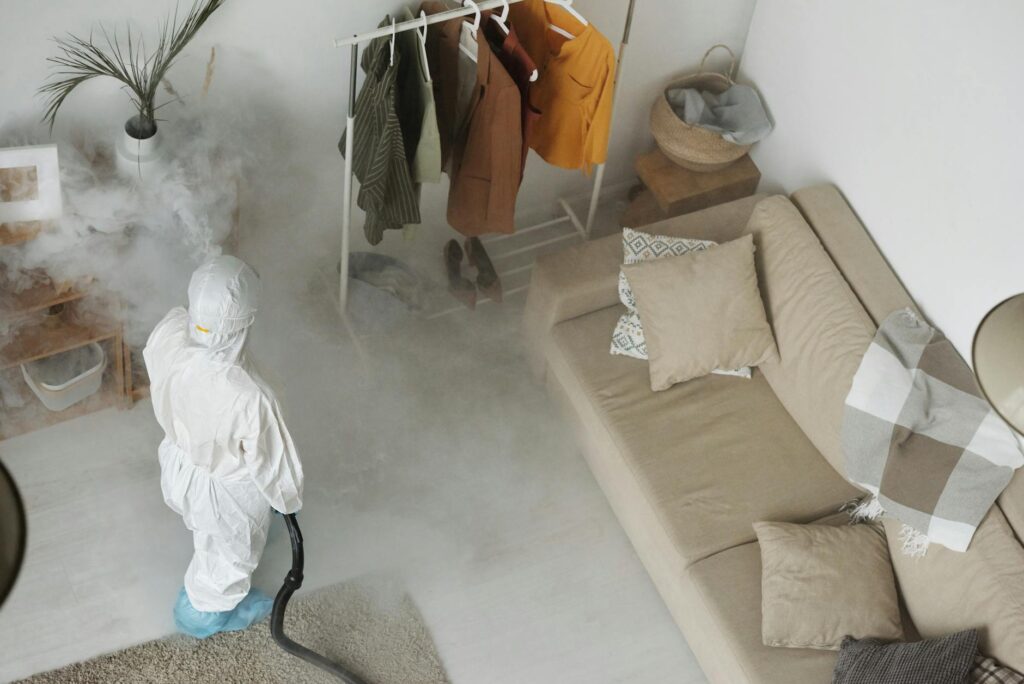
Sofa Odor Removal Mould & Damp Guide Part 1
Introduction
Sofas are a central part of our living spaces, providing comfort and style. However, they can also become a breeding ground for unwanted mould and damp, leading to unpleasant odors. This guide will walk you through understanding the causes of mould and damp, how to tackle the problem effectively, and how to prevent it from recurring.
What Causes Mould & Damp?
Mould and damp typically develop in environments that are humid and poorly ventilated. Here are some common causes:
- High Humidity: Excess moisture in the air can seep into fabrics.
- Water Leaks: Leaking pipes or roofs can introduce moisture to your sofa.
- Condensation: Warm air meeting cold surfaces can create moisture.
- Poor Ventilation: Lack of airflow can trap humidity around your sofa.
- Visual Inspection: Check for visible signs of mould or dampness on the sofa.
- Smell Test: Notice any musty odors, which can indicate mould growth.
- White vinegar
- Baking soda
- Soft brush or cloth
- Spray bottle
- Vacuum cleaner (with an upholstery attachment)
- Rubbing alcohol (for tougher stains)
- Vacuum: Use your vacuum cleaner to remove any loose dirt or debris from the sofa. Pay special attention to seams and crevices.
- Vinegar Solution: Mix equal parts of white vinegar and water in a spray bottle. Spray the affected areas lightly, avoiding soaking the fabric.
- Baking Soda: Sprinkle baking soda over the damp areas. This will help absorb moisture and odours.
- Soft Brush: Use a soft brush or cloth to gently scrub the affected areas. This will help lift the mould from the fabric.
- Rinse: Use a clean damp cloth to remove any cleaning solution residues.
- Dry: Allow your sofa to dry completely in a well-ventilated area. You can place it outside in the sun if possible, as sunlight helps kill mould spores.
Why This Problem Happens
Understanding the underlying reasons for mould and damp is crucial in addressing the issue effectively. Here’s why it happens:
1. Environmental Factors: Areas with high humidity or those located near water bodies are more susceptible.
2. Cleaning Practices: Inadequate cleaning or drying of your sofa after spills can lead to mould.
3. Temperature Fluctuations: Rapid changes in temperature can create condensation on your sofa.
4. Fabric Type: Certain materials, like natural fibers, are more prone to absorbing moisture.
How to Fix Mould & Damp (Step-by-Step)
Step 1: Identify the Problem
Step 2: Gather Supplies
You’ll need the following items:
Step 3: Remove Loose Debris
Step 4: Treat the Affected Areas
Step 5: Scrub the Surface
Step 6: Rinse and Dry
Step 7: Repeat if Necessary
If the smell or mould persists, repeat the cleaning process a few days later.
Best Cleaning Methods
Method 1: White Vinegar
White vinegar is a natural disinfectant that can kill mould spores. Its acidity makes it effective at breaking down organic material.
Method 2: Baking Soda
Baking soda is excellent for absorbing odours and moisture. It can be sprinkled on the sofa and vacuumed after a few hours.
Method 3: Rubbing Alcohol
For tougher stains, apply rubbing alcohol to a clean cloth and dab the affected area. This can help eliminate stubborn mould.
Common Mistakes to Avoid
1. Over-saturating the Sofa: Avoid using too much liquid, which can worsen dampness.
2. Ignoring Proper Drying: Not allowing the sofa to dry completely can lead to further mould growth.
3. Using Harsh Chemicals: Strong chemicals can damage fabrics and may not be effective against mould.
4. Neglecting Regular Maintenance: Failing to vacuum and clean your sofa regularly can allow mould to thrive.
Prevention Tips
1. Regular Cleaning: Vacuum your sofa at least once a week to remove dust and debris.
2. Control Humidity: Use a dehumidifier in areas prone to high humidity.
3. Improve Ventilation: Open windows and doors to allow fresh air to circulate.
4. Address Leaks: Fix any leaks in pipes or roofs promptly to prevent moisture accumulation.
5. Use Mould Inhibitors: Consider using commercial mould inhibitors suitable for upholstery.
Frequently Asked Questions
1. How can I tell if my sofa has mould?
Look for visible dark spots or patches. A musty smell is also a strong indicator.
2. Can I use bleach to clean mould from my sofa?
Bleach is not recommended for upholstery, as it can cause discoloration and damage to fabrics.
3. How often should I clean my sofa to prevent mould?
Aim for at least once a month, or more often if you live in a humid environment.
4. Are there specific fabrics that are more prone to mould?
Yes, natural fabrics like cotton and wool are more susceptible compared to synthetic materials.
5. Can I use essential oils to prevent mould?
Some essential oils, like tea tree oil, have antifungal properties and can be used in cleaning solutions.
6. What should I do if the mould persists after cleaning?
If mould continues to be a problem, it may be time to consult a professional upholstery cleaner.
By following these guidelines, you can effectively tackle mould and damp issues in your sofa, ensuring a fresh and odor-free living space.