
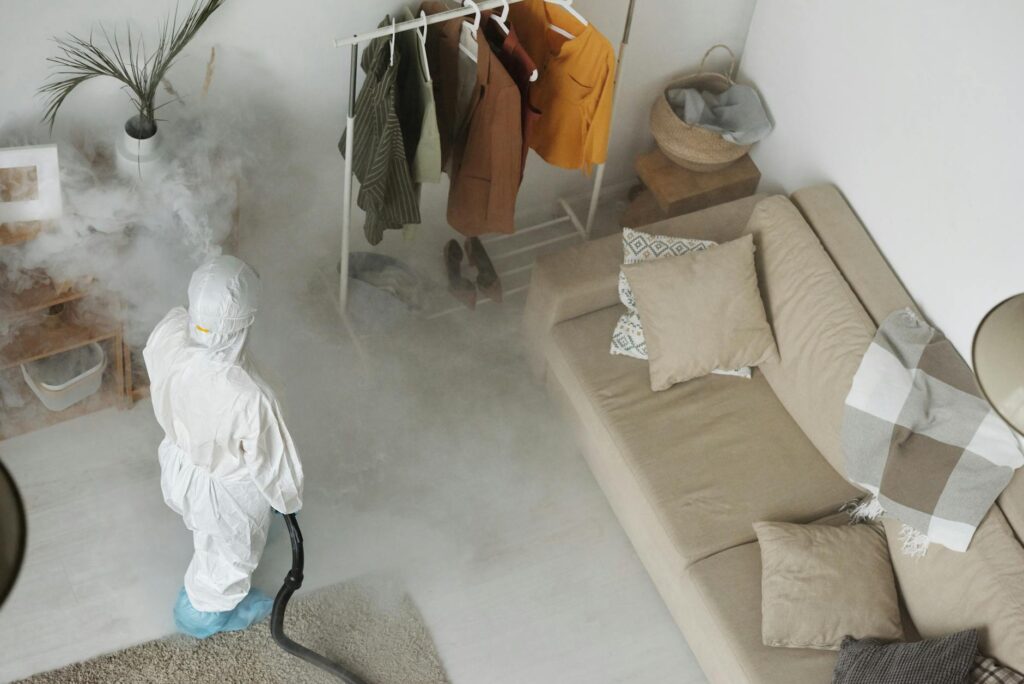
Sofa Odor Removal Appliances Guide Part 1
Introduction
Sofas are often the centerpiece of our living spaces, providing comfort and style. However, they can also become a source of unpleasant odors over time. This guide will walk you through understanding what causes these odors, how to eliminate them using appliances, and tips for preventing future issues.
What Causes Odors in Sofas?
Sofa odors can originate from various sources, including:
1. Food and Drink Spills: Accidental spills can lead to lingering smells if not cleaned promptly.
2. Pet Accidents: Pets can contribute to odors through accidents or dander.
3. Body Oils and Sweat: Regular use can lead to the buildup of oils and sweat, creating unpleasant smells.
4. Mold and Mildew: Moisture can lead to mold growth, especially in humid environments.
5. Dust and Dirt: Accumulated dust can trap odors, leading to an overall musty smell.
Understanding these causes can help you target the right approach when using cleaning appliances.
Why This Problem Happens
Odors in sofas can develop for several reasons:
- Absorption: Sofas, especially those with fabric upholstery, can absorb odors from the air, spills, and even smoke.
- Poor Ventilation: Enclosed spaces or lack of airflow can trap odors.
- Infrequent Cleaning: Regular maintenance is necessary to prevent odor buildup.
- Moisture: High humidity or spills left unattended can foster mold and mildew, exacerbating odors.
Recognizing these factors is crucial for effective odor removal.
How to Fix Odors (Step-by-Step)
Step 1: Identify the Source
Before using any appliance, determine the source of the odor. Is it a spill, pet issue, or something else? This will dictate your cleaning approach.
Step 2: Vacuum the Sofa
Use a vacuum cleaner with an upholstery attachment to remove dust and debris. Pay special attention to crevices where dirt can accumulate.
Step 3: Use an Odor Neutralizer
Choose an odor neutralizer designed for fabrics. Spray lightly over the surface, ensuring not to saturate the material. Allow it to sit for the recommended time.
Step 4: Steam Clean
If your sofa is steam-cleanable, use a steam cleaner for deeper cleaning. Follow these steps:
1. Prepare the Cleaner: Fill the steam cleaner with distilled water and the appropriate cleaning solution.
2. Test a Small Area: Always test on an inconspicuous area first.
3. Steam Clean: Move the steam cleaner slowly over the fabric, ensuring even coverage.
4. Allow to Dry: Let the sofa dry completely to prevent mold growth.
Step 5: Use a Dehumidifier
If your sofa smells musty, a dehumidifier can help remove excess moisture from the air. Place it near the sofa and run it until the humidity level decreases.
Step 6: Regular Maintenance
Keep your sofa odor-free by regularly vacuuming and using odor neutralizers every few months.
Best Cleaning Methods
1. Baking Soda: Sprinkle baking soda over the fabric, let it sit for several hours, then vacuum it up. This natural deodorizer absorbs odors effectively.
2. Vinegar Solution: Mix equal parts water and white vinegar in a spray bottle. Lightly mist the fabric and let it air dry. The vinegar smell dissipates, taking other odors with it.
3. Fabric Fresheners: Use commercial fabric fresheners as a quick solution. Ensure they are suitable for your sofa material.
4. Professional Cleaning: Consider hiring a professional cleaning service for deep cleaning, especially if the odors persist.
Common Mistakes to Avoid
1. Over-Saturation: Avoid soaking the fabric when using cleaners. Excess moisture can lead to mold growth.
2. Ignoring Tags: Always check the care label on your sofa for cleaning instructions. Some materials may require specific methods.
3. Neglecting Stains: Delaying stain removal can lead to permanent odors.
4. Using Strong Chemicals: Strong cleaners can damage fabric and leave behind harmful residues.
Prevention Tips
1. Regular Cleaning: Vacuum your sofa weekly to remove dust and debris.
2. Immediate Spill Cleanup: Tackle spills and stains right away to prevent odors from setting in.
3. Use Covers: Consider using washable sofa covers, especially if you have pets or children.
4. Maintain Humidity Levels: Keep humidity levels in check to prevent mold growth. Use dehumidifiers if necessary.
5. Air Out Your Sofa: Regularly open windows or use fans to promote airflow around your sofa.
Frequently Asked Questions
1. How often should I clean my sofa?
Aim to vacuum your sofa weekly and perform a deeper cleaning every 6-12 months, depending on usage.
2. Can I use a steam cleaner on all types of sofas?
No, always check the care label. Some fabrics, like silk, may be damaged by steam cleaning.
3. What if the smell persists after cleaning?
If odors persist, it may be time to consider professional cleaning or replacing the fabric.
4. Is it safe to use baking soda on all sofa types?
Baking soda is generally safe, but always test it on a small area first.
5. How can I prevent pet odors?
Regular grooming and immediate cleanup of accidents can help reduce pet odors.
6. Can I use essential oils for odor removal?
You can use essential oils, but always dilute them and test on a small area first to avoid damage.
By following this guide, you can effectively tackle sofa odors using the right appliances and methods. Regular maintenance and proper cleaning techniques can help keep your sofa fresh and inviting for years to come.