
Soap Scum Stains Odours Guide Part 1
Introduction
Soap scum stains are a common issue in bathrooms, often leading to unpleasant odours. This guide will help you understand the causes of these odours, how to fix them, and how to prevent them from returning. By following these actionable steps, you can maintain a fresh-smelling home.
What Causes Odours?
Soap scum odours primarily arise from the combination of soap residue, water minerals, and organic matter. When soap interacts with hard water, it creates a filmy residue that can trap bacteria, mold, and mildew. These microorganisms produce foul-smelling compounds, contributing to unpleasant bathroom scents.
Key Contributors to Odours:
- Soap Residue: Leftover soap creates a breeding ground for bacteria.
- Hard Water: Minerals in hard water can exacerbate soap scum build-up.
- Organic Matter: Hair, skin cells, and other debris can decay and emit odours.
- Mold and Mildew: These thrive in damp environments, releasing musty smells.
- White vinegar
- Baking soda
- Scrub brush or sponge
- Microfiber cloths
- Spray bottle
- Dish soap
- Gloves (optional)
Why This Problem Happens
Understanding why soap scum odours develop can help you tackle them more effectively. Several factors contribute to this issue:
1. Humidity: High moisture levels in bathrooms create an ideal environment for mold and mildew growth.
2. Infrequent Cleaning: Neglecting regular cleaning allows soap scum to accumulate, leading to more odours.
3. Poor Ventilation: Lack of airflow can trap moisture and create stagnant air, intensifying smells.
4. Type of Soap: Some soaps, particularly those with added fragrances, can leave behind more residue.
How to Fix Odours (Step-by-Step)
Step 1: Gather Your Supplies
You’ll need:
Step 2: Prepare a Cleaning Solution
1. Vinegar and Baking Soda: In a spray bottle, mix equal parts white vinegar and water. When ready to clean, sprinkle baking soda on the affected areas for added scrubbing power.
Step 3: Apply the Solution
1. Spray the vinegar solution generously on soap scum-affected areas and let it sit for at least 10-15 minutes.
2. For stubborn stains, sprinkle baking soda over the sprayed areas. This will create a fizzing reaction that helps loosen grime.
Step 4: Scrub Away
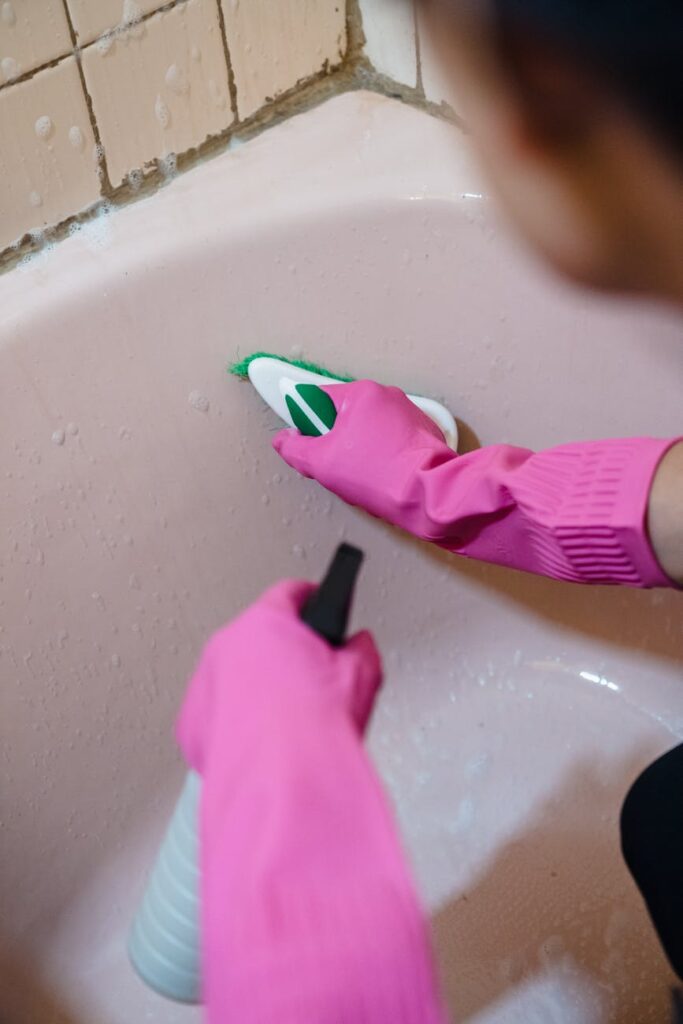
1. Using a scrub brush or sponge, work the mixture into the soap scum stains. Focus on areas where you notice the strongest odours.
2. Rinse thoroughly with warm water.
Step 5: Dry the Area
1. Wipe down surfaces with a microfiber cloth to remove any remaining moisture. This step is crucial to prevent further mould growth.
Best Cleaning Methods
Method 1: Vinegar and Baking Soda
This is a natural and effective method for tackling soap scum and its odours. The acidity of vinegar breaks down soap scum, while baking soda acts as a mild abrasive.
Method 2: Commercial Cleaners
If you prefer a store-bought solution, look for products specifically designed for soap scum removal. Always follow the manufacturer’s instructions and ensure the area is well-ventilated.
Method 3: Lemon Juice
Lemon juice can also be effective against soap scum. Its acidity helps break down residue while leaving a fresh scent. Apply lemon juice directly to the affected area, let it sit for 10 minutes, then scrub and rinse.
Common Mistakes to Avoid
1. Ignoring Regular Cleaning: Neglecting routine cleaning allows soap scum and odours to build up.
2. Using Too Much Product: Overusing cleaning products can lead to residue build-up, making the problem worse.
3. Not Allowing Solutions to Sit: Rushing through the cleaning process can prevent effective odour removal.
4. Neglecting Ventilation: Failing to ventilate your bathroom can exacerbate moisture and odour problems.
5. Using Abrasive Tools: Scrubbing with excessively abrasive tools can damage surfaces and lead to faster build-up.
Prevention Tips
1. Regular Cleaning Schedule: Clean your bathroom at least once a week to prevent soap scum build-up.
2. Ventilation: Ensure your bathroom is well-ventilated. Use exhaust fans or open windows to reduce humidity.
3. Squeegee After Use: Use a squeegee on shower walls after each use to remove excess water and soap.
4. Choose the Right Soap: Opt for liquid soap and body wash, which often leave less residue than bar soap.
5. Hard Water Solutions: Install a water softener if you have hard water, reducing mineral build-up.
Frequently Asked Questions
1. How often should I clean soap scum in my bathroom?
Aim to clean soap scum at least once a week to prevent build-up and odours.
2. Can I use bleach to remove soap scum?
While bleach can kill mold and mildew, it’s not the most effective for soap scum. Stick to vinegar or commercial products designed for this purpose.
3. What if the odour persists after cleaning?
If odours persist, check for hidden mold behind fixtures or in grout lines. You may need to treat these areas specifically.
4. Is it safe to mix vinegar and baking soda?
Yes, mixing vinegar and baking soda is safe and effective for cleaning. Just ensure you allow the fizzing reaction to occur before scrubbing.
5. Can soap scum stains damage my bathroom surfaces?
Yes, if left untreated, soap scum can cause discoloration and damage to surfaces over time.
6. How can I tell if I have hard water?
Signs of hard water include soap scum build-up, mineral deposits on fixtures, and difficulty lathering soap.
By following this guide, homeowners can effectively tackle soap scum stains and the odours they create, ensuring a fresher and cleaner bathroom environment.