
Soap Scum Removal Stains Guide Part 1
Introduction
Soap scum is a persistent problem in many homes. It forms when soap interacts with minerals in water, creating a stubborn, filmy residue that clings to surfaces like tiles, glass, and fixtures. This guide addresses how to effectively remove soap scum stains while providing practical tips for prevention and maintenance.
What Causes Stains?
Soap scum stains occur primarily due to:
- Hard Water: Water with high mineral content (calcium and magnesium) interacts with soap, leading to the formation of soap scum.
- Soap Residue: Traditional bar soaps leave behind residues that contribute to scum buildup.
- Poor Ventilation: Humidity can exacerbate soap scum formation, especially in bathrooms.
- Infrequent Cleaning: The longer soap scum is left untreated, the more difficult it becomes to remove.
- Incorrect Cleaning Products: Some cleaners may not effectively break down soap scum, leading to frustration.
- Environmental Factors: High humidity and temperature can accelerate the formation of soap scum.
- Rubber gloves
- Scrub brush or sponge
- Spray bottle
- Vinegar or commercial soap scum cleaner
- Baking soda (optional)
- Microfiber cloth
- Squeegee After Use: Use a squeegee after each shower to remove excess water.
- Regular Cleaning: Clean surfaces weekly to prevent buildup.
- Use Liquid Soap: Consider switching to liquid soap, which often leaves less residue.
- Install a Water Softener: If hard water is an issue, a water softener can help minimize soap scum.
Understanding these causes helps you choose the right cleaning methods and preventive measures.
Why This Problem Happens
Soap scum forms in areas where moisture and soap combine, typically in showers, bathtubs, and sinks. Over time, soap scum can build up, making it challenging to remove. Here are some reasons it becomes an ongoing issue:
Knowing why soap scum stains occur empowers you to take proactive steps in your cleaning routine.
How to Fix Stains (Step-by-Step)
Step 1: Gather Your Supplies
Before you begin, make sure you have the following items:
Step 2: Apply Cleaning Solution
1. For Vinegar: Fill a spray bottle with white vinegar.
2. For Commercial Cleaner: Follow the manufacturer’s instructions.
Step 3: Spray the Affected Areas
Spray the solution generously on the stained surfaces. Make sure to cover all soap scum areas.
Step 4: Let It Sit
Allow the cleaner to sit for about 10-15 minutes. This gives the solution time to break down the soap scum.
Step 5: Scrub the Surface
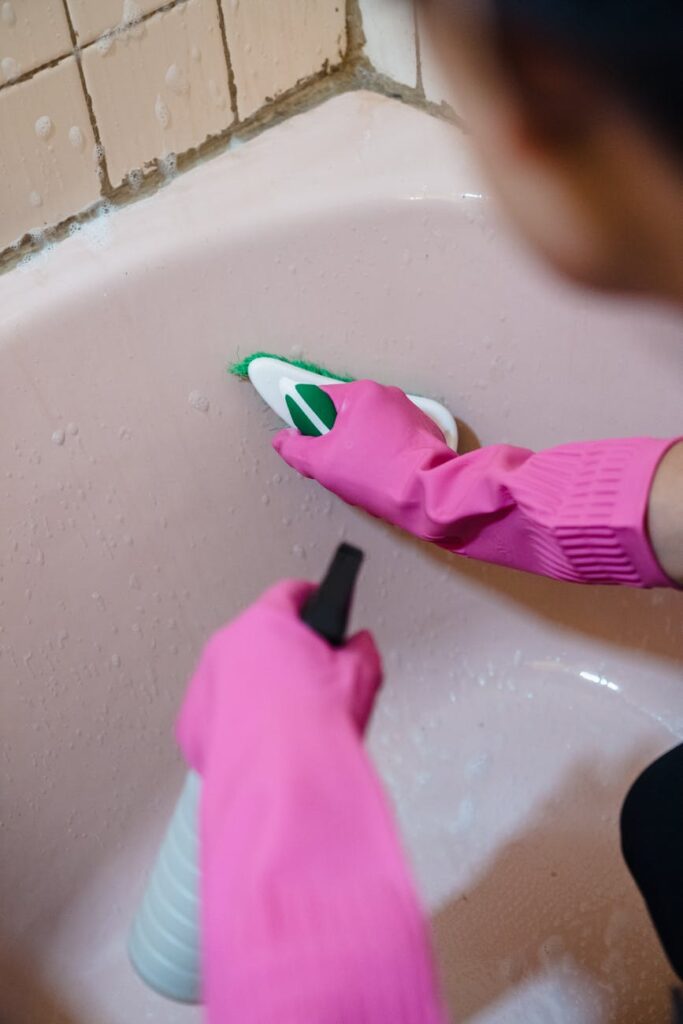
Using a scrub brush or sponge, scrub the stained areas in a circular motion. For tougher stains, sprinkle baking soda on the sponge for extra scrubbing power.
Step 6: Rinse Thoroughly
Rinse the area with warm water to ensure all cleaning residues are removed. This step is crucial to prevent any leftover cleaner from causing further stains.
Step 7: Dry the Surface
Use a microfiber cloth to dry the area completely. This will help prevent new soap scum from forming.
Best Cleaning Methods
Different methods work best depending on the surface and severity of the stains.
1. Vinegar and Baking Soda
A classic and effective method for soap scum removal. The acidity of vinegar combined with the abrasiveness of baking soda works wonders.
2. Commercial Cleaners
For stubborn stains, consider using a specialized commercial cleaner designed for soap scum. Always follow the instructions provided on the label.
3. Dish Soap and Water
For lighter stains, a mixture of dish soap and warm water can be effective. Simply apply, scrub, and rinse.
4. Lemon Juice
The acidity in lemon juice can help break down soap scum. Apply lemon juice directly to the stains, let it sit, then scrub.
Common Mistakes to Avoid
1. Not Testing Cleaners: Always test a new cleaner on a small, inconspicuous area first to avoid damage.
2. Using Abrasive Tools: Avoid steel wool or hard scrubbers that can scratch surfaces.
3. Skipping Rinsing: Failing to rinse thoroughly can leave residues that attract more soap scum.
4. Cleaning at the Wrong Time: Cleaning in high humidity can make it harder to remove stains effectively.
Prevention Tips
Preventing soap scum buildup is easier than removing it once it has formed. Here are some practical tips:
Frequently Asked Questions
1. How often should I clean for soap scum?
Aim to clean shower and bath surfaces at least once a week to prevent buildup.
2. Can I use bleach to remove soap scum?
While bleach can clean many surfaces, it may not effectively remove soap scum and can damage some materials. Use with caution.
3. Is vinegar safe for all surfaces?
Vinegar is not recommended for natural stone surfaces like granite or marble, as it can cause etching.
4. What if soap scum stains are still visible after cleaning?
If stains persist, consider using a commercial cleaner specifically formulated for tough soap scum.
5. How can I reduce hard water stains?
Installing a water softener can help significantly reduce hard water stains and soap scum.
6. Is there a natural alternative to commercial cleaners?
Yes, a mixture of vinegar and baking soda is an effective natural alternative for soap scum removal.
By following the steps outlined in this guide, you can tackle soap scum stains effectively and keep your surfaces clean and shiny. Stay tuned for Part 2, where we will delve deeper into advanced cleaning techniques and solutions.