
Soap Scum Removal Odours Guide Part 1
Introduction
Soap scum is a common issue in bathrooms, and it often comes with an unpleasant odour. This guide aims to help you understand the causes of these odours, why they happen, and how to effectively remove them. Whether it’s from your shower, bathtub, or sink, tackling soap scum and its associated smells is essential for maintaining a fresh and clean home.
What Causes Odours?
Odours from soap scum typically arise from a combination of soap residues, hard water minerals, and bacteria. Here are the primary contributors:
1. Soap Residues: When soap mixes with water, it can leave behind a film, especially if the soap is not fully rinsed away.
2. Hard Water: Minerals in hard water, like calcium and magnesium, can combine with soap to create a thick residue that traps odours.
3. Bacteria and Mold: Moist environments are breeding grounds for bacteria and mold, which can produce foul smells as they thrive on soap scum and other organic matter.
4. Body Oils and Skin Cells: These organic materials can mix with soap residues and contribute to the formation of odorous soap scum.
Why This Problem Happens
Soap scum odours develop mainly due to the accumulation of residues in damp areas. When soap scum builds up, it provides a perfect environment for bacteria and mold to flourish. Here are some reasons why this problem occurs:
- Infrequent Cleaning: Regular cleaning prevents the build-up of soap scum and reduces the chance of odour development.
- Poor Ventilation: Bathrooms that lack proper airflow can retain moisture, encouraging mold and bacteria growth.
- Low-Quality Soap: Some soaps contain fragrances and additives that can degrade and produce unpleasant smells when left to sit.
- Neglected Fixtures: Showerheads, faucets, and tiles can accumulate soap scum and moisture if not cleaned regularly.
- Baking soda
- White vinegar
- Dish soap
- Spray bottle
- Scrub brush or sponge
- Microfiber cloth
- Gloves
- Not Allowing Solutions to Sit: Rushing through the cleaning process without allowing the solution to work can result in ineffective cleaning.
- Using Abrasive Cleaners: Harsh chemicals or abrasive scrubbers can damage surfaces, especially in older bathrooms.
- Ignoring Ventilation: Failing to ventilate the bathroom can lead to a quick return of odours and moisture.
- Overlooking Hidden Areas: Remember to clean behind and beneath fixtures where soap scum may hide.
- Regular Cleaning: Clean your bathroom at least once a week to prevent soap scum build-up.
- Use a Squeegee: After each shower, use a squeegee to remove excess water from tiles and glass.
- Ventilation: Keep the bathroom well-ventilated. Open windows and use exhaust fans to reduce humidity.
- Choose Quality Soap: Opt for high-quality, low-residue soaps to minimize scum formation.
- Monitor Water Quality: If you have hard water, consider installing a water softener to reduce mineral deposits.
How to Fix Odours (Step-by-Step)
Removing soap scum odours involves a systematic approach. Follow these steps to tackle the issue effectively:
Step 1: Gather Supplies
You will need:
Step 2: Remove Loose Debris
Start by removing any loose debris from the bathroom surfaces. Use a dry cloth or paper towel to wipe away dust and hair.
Step 3: Create a Cleaning Solution
Mix equal parts of white vinegar and water in a spray bottle. If the odour persists, add a few drops of dish soap to the mixture for added cleaning power.
Step 4: Apply the Solution
Spray the solution generously on the affected areas. Allow it to sit for at least 10-15 minutes to break down the soap scum and kill bacteria.
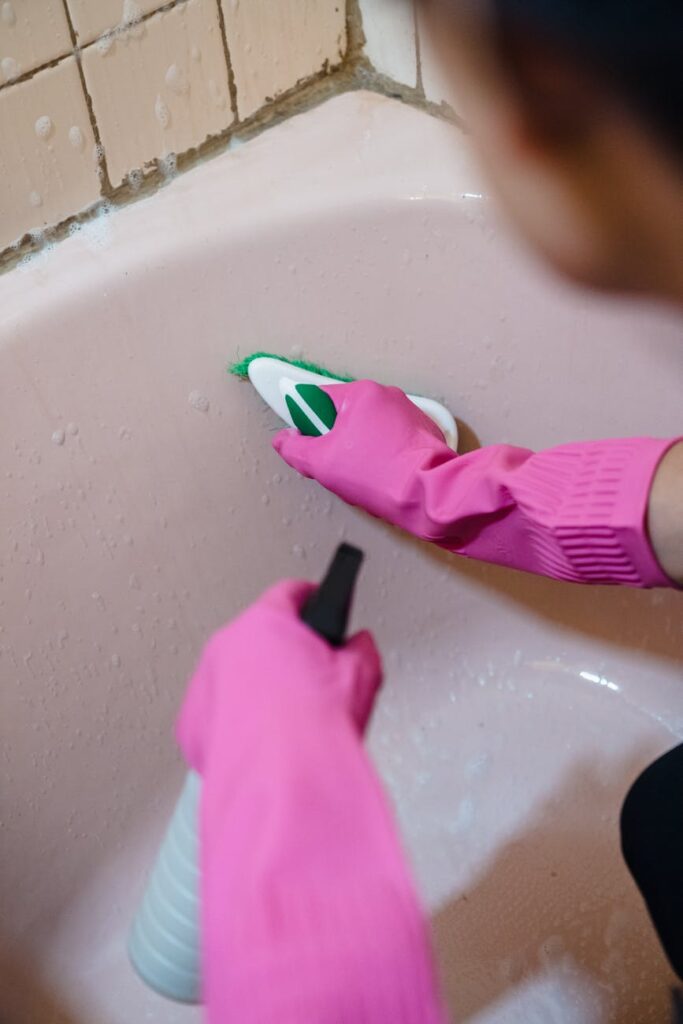
Step 5: Scrub the Area
Using a scrub brush or sponge, scrub the surfaces vigorously. Pay special attention to corners and crevices where soap scum tends to accumulate.
Step 6: Rinse Thoroughly
After scrubbing, rinse the area thoroughly with warm water to remove any leftover soap and cleaning solution.
Step 7: Dry the Surfaces
Use a microfiber cloth to dry the surfaces completely. This step is crucial to prevent moisture from lingering, which can lead to more odours.
Best Cleaning Methods
Here are some effective methods for dealing with soap scum odours:
Baking Soda and Vinegar
1. Sprinkle baking soda over the soap scum.
2. Spray with vinegar and let it fizz for a few minutes.
3. Scrub and rinse thoroughly.
Commercial Cleaners
Many commercial soap scum removers are available that target both the scum and the odours. Look for products that contain surfactants and are specifically designed for soap scum.
Essential Oils
Adding a few drops of essential oils like tea tree or lavender to your cleaning solution can not only help mask odours but also provide antibacterial properties.
Common Mistakes to Avoid
Prevention Tips
Preventing soap scum odours is easier than dealing with them after they occur. Here are some practical tips:
Frequently Asked Questions
1. How often should I clean to prevent soap scum odours?
Aim for a thorough clean once a week, with quick wipes after showers.
2. What’s the best way to deal with tough soap scum?
For stubborn soap scum, let a mixture of vinegar and baking soda sit for longer before scrubbing.
3. Can I use bleach to remove soap scum?
While bleach can kill bacteria, it is not the best choice for soap scum as it may not effectively remove the residue and can cause damage to some surfaces.
4. Are there natural alternatives to commercial cleaners?
Yes, vinegar, baking soda, and essential oils can be effective natural cleaners.
5. What should I do if the odour persists after cleaning?
If the smell continues, check for hidden sources like clogged drains or mold behind tiles.
6. How can I maintain a fresh-smelling bathroom?
In addition to regular cleaning, consider using air fresheners or natural deodorizers like baking soda in the bathroom.
By following this guide, you can effectively tackle soap scum odours and maintain a fresh, clean bathroom. Regular maintenance and proactive cleaning will go a long way in preventing the return of these unpleasant smells.