
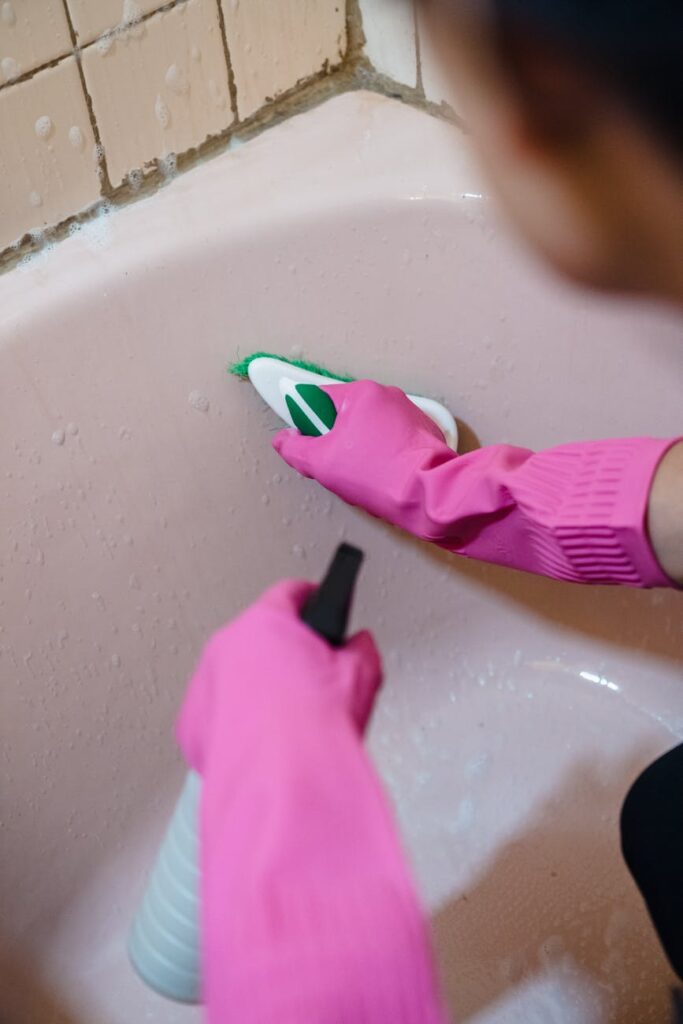
Soap Scum Removal Bathroom Guide Part 1
Introduction
Soap scum is a common nuisance in bathrooms, forming a thick, dull film on surfaces like sinks, tubs, and shower doors. Not only does it look unattractive, but it can also harbor bacteria and make your bathroom feel less inviting. This guide will help you understand what causes soap scum, why it forms, and how to effectively remove it.
What Causes Soap Scum?
Soap scum is primarily made up of soap residues combined with minerals found in hard water. When soap interacts with these minerals, it creates an insoluble film that adheres to surfaces. Common contributors to soap scum include:
- Hard Water: Water with high mineral content, especially calcium and magnesium.
- Soap Products: Traditional bar soaps and some shower gels are more prone to leaving residue.
- Low Ventilation: Poor airflow can lead to increased humidity, promoting soap scum buildup.
- White vinegar
- Baking soda
- Spray bottle
- Scrub brush or sponge
- Microfiber cloths
- Rubber gloves
- Look for products specifically designed for soap scum removal. Be sure to follow the instructions on the label and use appropriate protective gear.
- Lemon juice can act as a natural acid to help break down soap scum. Apply lemon juice directly to affected areas and let it sit for 10-15 minutes before scrubbing.
- Mix equal parts of dish soap and vinegar in a spray bottle. This combination can effectively break down soap scum when applied and scrubbed.
- Using Abrasive Tools: Avoid steel wool or harsh scrubbing pads that can scratch surfaces.
- Neglecting Ventilation: Always ensure proper ventilation while cleaning to avoid inhaling any cleaning fumes.
- Skipping Regular Maintenance: Regularly cleaning your bathroom can prevent stubborn soap scum buildup.
- Use Liquid Soap: Switch to liquid soap or body wash, which often leaves less residue than bar soap.
- Install a Water Softener: Consider a water softening system if you have hard water, as it can significantly reduce soap scum formation.
- Regular Cleaning: Establish a cleaning routine that includes wiping down surfaces at least once a week to prevent buildup.
Why This Problem Happens
Soap scum forms over time as soap and minerals accumulate, especially in areas with hard water. Regular use of soap without proper cleaning can exacerbate the issue. Additionally, factors like low ventilation and infrequent cleaning can allow soap scum to harden and become more challenging to remove.
How to Fix Soap Scum (Step-by-Step)
Step 1: Gather Supplies
Before you begin, gather the necessary cleaning supplies:
Step 2: Apply Vinegar
1. Fill a spray bottle with white vinegar.
2. Generously spray the affected areas, ensuring they are thoroughly saturated.
3. Let the vinegar sit for at least 15-20 minutes. This will help dissolve the soap scum.
Step 3: Scrub with Baking Soda
1. After the vinegar has soaked in, sprinkle baking soda over the same areas.
2. Using a scrub brush or sponge, gently scrub the surface. The combination of vinegar and baking soda will create a mild foaming action that helps lift the soap scum.
Step 4: Rinse Thoroughly
1. Rinse the surfaces with warm water to remove any remaining vinegar and baking soda.
2. For glass surfaces, a final wipe with a microfiber cloth will ensure a streak-free finish.
Step 5: Dry the Area
1. Use a clean, dry microfiber cloth to thoroughly dry the surfaces. This helps prevent new soap scum from forming.
Best Cleaning Methods
While the vinegar and baking soda method is effective, here are several other cleaning methods to consider:
Commercial Cleaners
Lemon Juice
Dish Soap
Common Mistakes to Avoid
Prevention Tips
Frequently Asked Questions
1. How often should I clean soap scum from my bathroom?
Aim to clean soap scum at least once a week to prevent buildup. Areas with hard water may need more frequent cleaning.
2. Can I use bleach to remove soap scum?
While bleach can be effective for some stains, it is not the best choice for soap scum and may damage certain surfaces. Stick to vinegar and baking soda for a safer option.
3. What surfaces can I use vinegar and baking soda on?
Both vinegar and baking soda are safe for most bathroom surfaces, including tiles, glass, and porcelain. Avoid using them on natural stone.
4. Is it safe to mix vinegar and baking soda?
Yes, mixing vinegar and baking soda is safe and creates a natural cleaning solution. However, it’s best to apply them separately for maximum effectiveness.
5. What if soap scum won’t budge?
If soap scum is particularly stubborn, consider letting the vinegar sit longer or using a commercial soap scum remover designed for tough stains.
6. Can soap scum cause damage to bathroom surfaces?
Over time, soap scum can lead to discoloration or etching on certain surfaces, especially if not cleaned regularly. It’s important to address it promptly to maintain your bathroom’s appearance.
In conclusion, removing soap scum doesn’t have to be a daunting task. With the right methods and regular maintenance, you can keep your bathroom looking fresh and inviting. Stay tuned for Part 2, where we will delve deeper into advanced cleaning techniques and products.